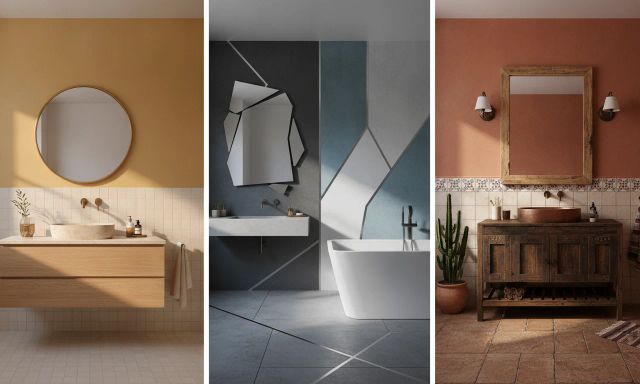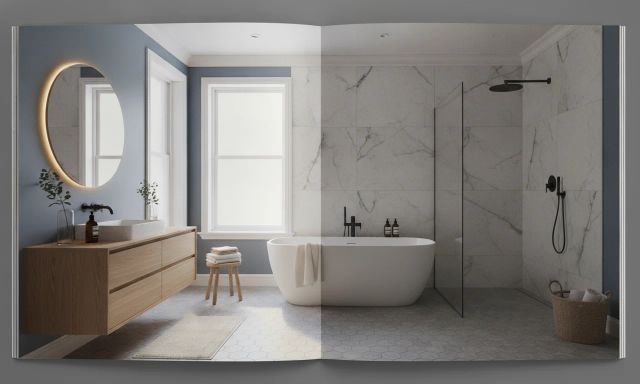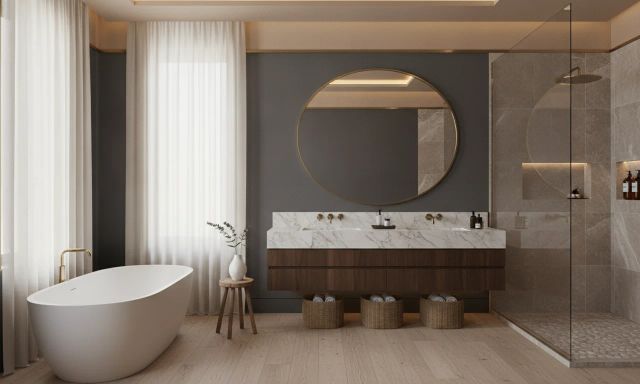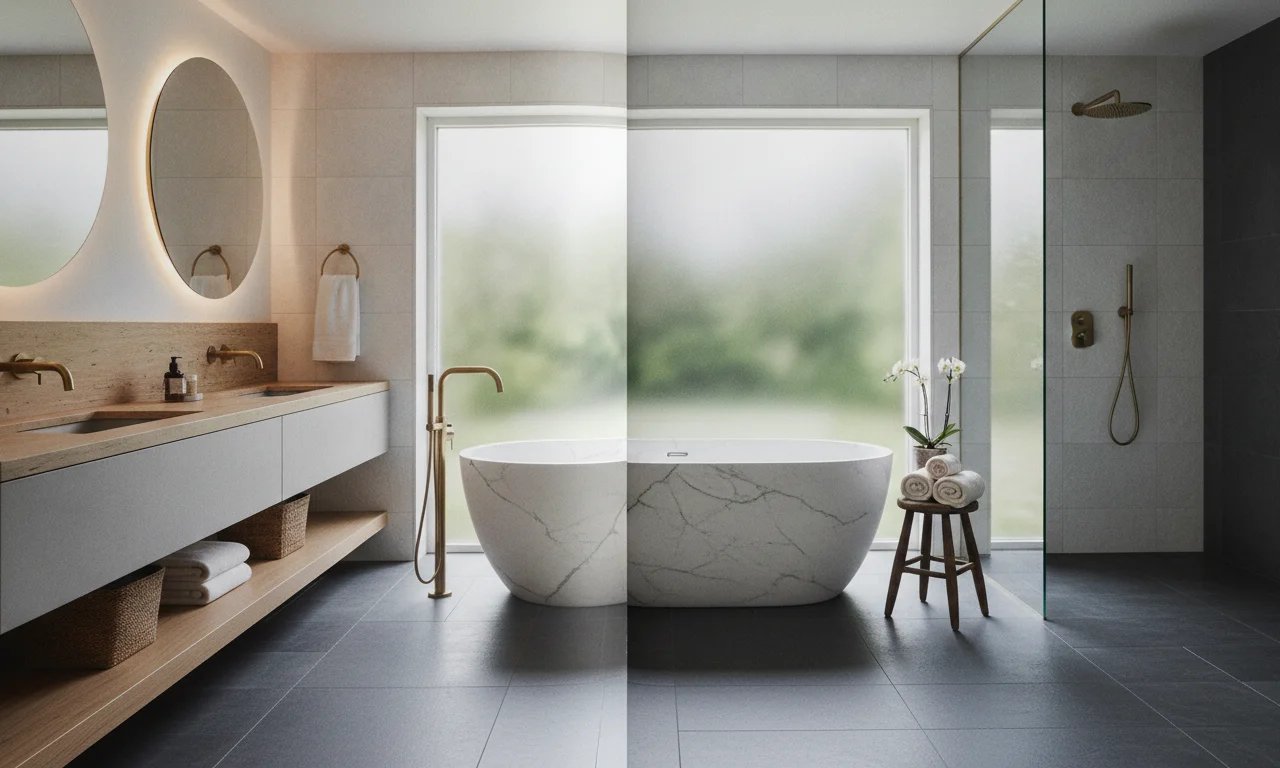
When you're envisioning a bathroom redesign, the drawing process becomes your creative foundation. Whether you're sketching on paper or using digital tools, understanding how different styles translate into physical space helps you make confident design decisions before any renovation begins.
The beauty of bathroom design drawing lies in seeing how architectural choices, finishes, and styling come together as a cohesive whole. This guide explores four compelling styles and shows you how to pair them with materials that elevate your space.
Why Bathroom Design Drawing Matters
A well-thought-out bathroom design drawing serves as your blueprint for success. It allows you to experiment with layouts, materials, and color schemes without committing resources upfront.
Many homeowners discover that visualizing their bathroom redesign possibilities before execution saves both time and money. Drawing or sketching—whether by hand or digitally—helps you identify what truly resonates with your aesthetic preferences.
Beyond aesthetics, design drawings clarify practical concerns: plumbing placement, lighting zones, storage solutions, and traffic flow. This comprehensive thinking prevents costly mistakes during floor and wall materials renovation phases.
Four Distinctive Bathroom Styles to Explore
Deconstructivism
Deconstructivism in bathroom design breaks conventional rules through asymmetrical layouts, exposed structural elements, and unexpected material combinations. This style challenges symmetry and creates visual intrigue through fragmented forms.
Deconstructivist bathrooms feel contemporary and intellectually sophisticated. They work beautifully in urban lofts or homes where owners appreciate art-forward thinking.
Deco
Deco style—rooted in Art Deco principles—brings glamour, geometry, and luxurious materials to your bathroom. Expect bold geometric patterns, rich metallic accents, and striking color contrasts.
Deco bathrooms exude elegance and timeless sophistication. This style suits homeowners who love vintage-inspired luxury with modern conveniences.
Bauhaus
Bauhaus embraces the design philosophy that form follows function. Clean lines, minimal ornamentation, and rational material choices define this approach.
Bauhaus bathrooms prioritize usability without sacrificing beauty. Every element serves a purpose, creating serene, uncluttered spaces perfect for daily wellness routines.
Chalet
Chalet style brings warmth, natural materials, and cozy Alpine-inspired aesthetics into your bathroom. Think wood accents, earthy tones, and rustic charm with modern comfort.
Chalet bathrooms feel like personal retreats—spa-like havens that invite relaxation and connection to nature.
Material & Style Pairings
| Style | Recommended Materials | Why It Works |
|---|---|---|
| Deconstructivism | Concrete Plaster | Raw, unfinished aesthetic complements fragmented forms and industrial undertones |
| Deco | Fluted Ceramic | Geometric patterns and reflective surfaces enhance Art Deco's glamorous geometry |
| Bauhaus | Mixed Terrazzo | Terrazzo's balanced composition and durability align with functional design principles |
| Chalet | Concrete Plaster | Warm, earthy plaster tones echo natural Alpine lodge aesthetics |
Material Details That Define Your Design

Plaster materials like Concrete Plaster offer raw texture that feels contemporary yet warm. This finish works across industrial, Bauhaus, and Chalet aesthetics.
Fluted Ceramic tiles bring geometric sophistication to Deco-inspired spaces. The fluted surface creates light play and visual depth, making bathrooms feel more dynamic.
Mixed Terrazzo combines multiple aggregate materials into unified flooring that balances visual interest with cohesive design. It suits Bauhaus interiors where material honesty matters.
When selecting materials for your design drawing, consider how light interacts with surfaces, how textures feel underfoot, and how finishes coordinate with your chosen style's core principles.
Tools to Visualize Your Bathroom Design
Beyond traditional drawing, modern design tools help you see your ideas in photorealistic context. AI room redesign technology lets you upload a photo of your current bathroom and visualize how different styles transform the actual space.
If you're working with an existing bathroom, tools like object remover and virtual decluttering help you see how the space looks simplified before styling. For complete reimagining, the empty room generator shows you a blank canvas to work with.
Need to experiment with furnishings? The add or replace furniture tool lets you test different fixtures, mirrors, and storage solutions before purchasing.
From Sketch to Reality: Design Inspiration
Your bathroom design drawing evolves as you explore possibilities. Start by sketching the basic layout—where plumbing fixtures sit, how doors swing, where natural light enters.
Next, overlay your chosen style's characteristics. A Deconstructivist drawing might show asymmetrical shelving and exposed piping. A Deco concept emphasizes geometric tile patterns and mirrored surfaces.
Finally, integrate material choices. Imagine how Concrete Plaster walls interact with Fluted Ceramic flooring. Visualize light reflecting off Mixed Terrazzo under different times of day.
This layered approach—layout, style, materials—creates a comprehensive vision before you commit to implementation.
Related Design Concepts
Explore complementary articles to deepen your design thinking. Bathroom Paint Decor Ideas: Transform Every Style offers color and finish strategies. Bathroom Decor Design Ideas: Create Your Perfect Retreat focuses on styling and accessorizing finished spaces. For smaller bathrooms, Small Bathroom Paint Design Ideas: Transform Your Space provides targeted solutions.
FAQ
How do I start drawing a bathroom design?
Begin with measurements of your existing space. Sketch the floor plan showing walls, windows, doors, and existing fixtures.
Then add your chosen style's visual elements—geometric patterns for Deco, clean lines for Bauhaus, natural materials for Chalet. Finally, layer in materials by drawing or coloring floor and wall finishes.
Can I visualize bathroom design ideas without drawing by hand?
Absolutely. Digital tools and AI design apps let you upload photos and see instant renderings of different styles applied to your actual space. This provides photorealistic visualization that complements or replaces hand drawing.
Which material works best with modern bathroom styles?
Mixed Terrazzo pairs well with contemporary and Bauhaus aesthetics, while Fluted Ceramic enhances Deco style. Concrete Plaster works across industrial, Bauhaus, and Chalet approaches. Choose based on how the material's texture and finish support your selected style's principles.
Start Designing Your Bathroom Today
Your bathroom design drawing is the first step toward a space that feels both beautiful and functional. Whether you sketch on paper, use digital drawing tools, or explore AI-powered visualization, the key is seeing your ideas clearly before making decisions.
Ready to move from drawing to seeing? Try it free on vividoo.app and upload a photo of your bathroom to explore how Deconstructivism, Deco, Bauhaus, and Chalet styles transform your actual space with realistic material renderings.
===END===