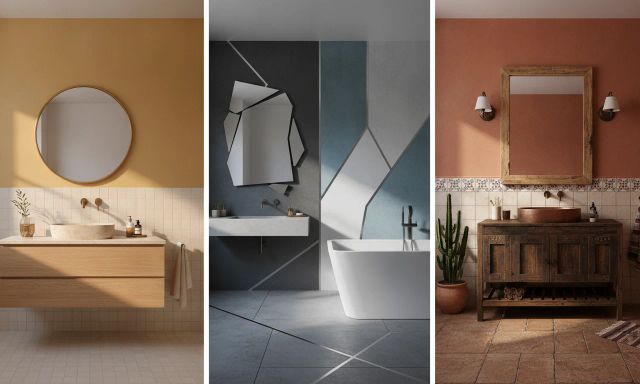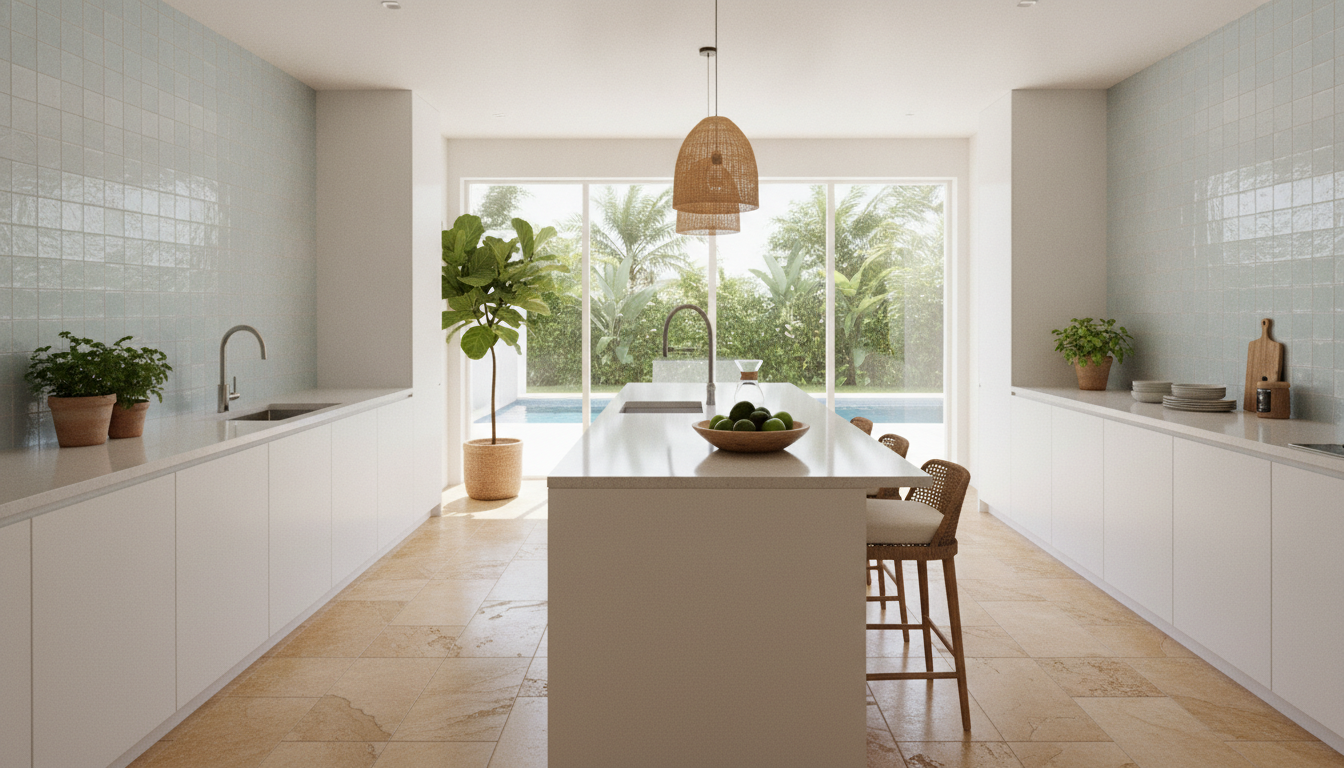
Replacing kitchen tiles is expensive, time-consuming, and disruptive. But what if you could transform the entire look of your tiled surfaces without renovation? AI room redesign technology now makes it possible to visualize how different styles and complementary materials can completely change the perception of your existing tiles.
Why Tile Color Transformation Matters
Your kitchen tiles set the visual tone for the entire space. When they feel dated or clash with your desired aesthetic, they can make an otherwise functional kitchen feel uninspiring.
Rather than the commitment and expense of removing and replacing tile, you can reimagine your space by layering new design styles, wall treatments, and complementary flooring that work harmoniously with what you already have.
The key is understanding how design styles, wall materials, and strategic visual choices can shift the entire character of a tiled kitchen—making existing tiles feel like intentional design choices rather than outdated elements.
Design Styles That Reframe Your Tiles
Different design styles create entirely different contexts for the same tiles. A neutral tile suddenly feels luxurious under one aesthetic and rustic under another. Here are four powerful styles that transform tiled kitchens:
- Poolside Resort: Brings a serene, coastal luxury feel that makes any tile feel like part of an intentional retreat aesthetic. Soft tones and bright, airy layouts elevate simple tiles.
- Deco: Geometric sophistication turns tiles into architectural features. This style celebrates pattern and symmetry, making tiles feel like bold design statements.
- Bauhaus: Emphasizes function and form with clean lines and minimal ornamentation. Tiles become essential structural elements in a carefully balanced composition.
- Bohemian: Embraces eclectic layering and bohemian artistry, making tiles feel like part of a curated, worldly collection rather than a standard kitchen feature.
Each style recontextualizes your existing tiles, making them feel fresh and intentional without a single replacement.
Wall Materials That Complement Your Tiles
Introducing new wall materials creates visual balance and draws attention away from tiles while harmonizing with them. Consider these options:
- Concrete Stucco: A plaster-based finish that adds raw, earthy texture. Pairs beautifully with neutral or earth-toned tiles, creating an industrial-organic blend.
- Green Acoustic Panel: Living green wall treatments soften kitchen spaces and create a fresh, biophilic context for any tile color. Introduces life and movement without competing with existing surfaces.
- Acoustic Felt Textile: Soft, sound-absorbing wall panelling that adds warmth and tactile interest. Works particularly well in bohemian or modern settings to frame tiles as gallery-worthy elements.
These wall treatments shift focus and create a cohesive design narrative around your tiles, making them feel like intentional design partners rather than background surfaces.
Floor Materials for Visual Continuity
Complementary flooring transforms how your tiled backsplash or flooring is perceived within the overall kitchen composition:
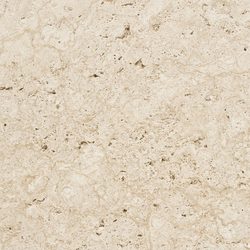
- Navona Travertine: Natural stone flooring that creates luxurious grounding. Works with almost any tile aesthetic while elevating the perceived quality of the entire space.
- Bamboo Wood Mosaic: Mosaic-pattern wood flooring that introduces warmth and organic geometry. Pairs exceptionally well with geometric or bohemian tile designs.
Material & Style Pairings
| Style | Recommended Materials | Why It Works |
|---|---|---|
| Poolside Resort | Navona Travertine, Green Acoustic Panel | Natural stone and living greenery create a spa-like, luminous atmosphere that makes any tile feel like a resort feature |
| Deco | Acoustic Felt Textile, Bamboo Wood Mosaic | Geometric patterning and rich textures celebrate tiles as architectural focal points with symmetrical elegance |
| Bauhaus | Concrete Stucco, Navona Travertine | Minimalist materiality emphasizes form and function, treating tiles as essential design components in clean compositions |
| Bohemian | Acoustic Felt Textile, Bamboo Wood Mosaic | Layered textures and artisanal materials frame tiles as part of a collected, worldly aesthetic |
Tools to Visualize Your Transformation
Before committing to any material or style, use AI design tools to preview your vision. Start with room redesign to apply new styles to your kitchen photograph. Then explore specific refinements:
- Floor and wall material visualization to see exact material pairings with your tiles
- Virtual decluttering to clear visual noise and let your tiles shine
- Add or replace furniture to shift the overall aesthetic context
These tools let you explore dozens of combinations before making any financial investment, ensuring your vision feels right before proceeding.
FAQ
Can I really change how my kitchen tiles look without replacing them?
Absolutely. By introducing new design styles, wall materials, and complementary flooring, you can completely transform how existing tiles are perceived. AI visualization tools let you preview these transformations before making any changes.
Which design styles work best for making old tiles feel new?
Poolside Resort and Deco styles tend to reframe tiles most dramatically—one through luxury relaxation and one through geometric sophistication. Bauhaus and Bohemian work by creating intentional, curated contexts where tiles feel like essential design choices.
What's the most budget-friendly way to transform kitchen tiles visually?
Start with wall treatments like Concrete Stucco or Acoustic Felt Textile, which are typically less expensive than full flooring replacement. Explore kitchen tile makeover ideas that prioritize strategic additions over wholesale replacement.
Start Your Kitchen Tile Transformation
Your existing kitchen tiles don't define your space's future. By layering thoughtful design styles and complementary materials, you can create an entirely new visual narrative around what you already have. Upload a photo of your kitchen today and try it free on vividoo.app to explore how Poolside Resort elegance, Deco sophistication, Bauhaus minimalism, or Bohemian artistry can transform your tiled kitchen without a single demolition.