Your bathroom mirror is far more than a functional fixture—it's a design anchor that sets the tone for the entire room. When you embrace Coastal style, your mirror becomes a gateway to relaxation, reflecting natural light and evoking the calm of seaside living.
In this guide, we'll explore how coastal style bathroom mirrors work across different design aesthetics, which materials complement them best, and how to visualize your vision before you commit.
What Makes a Mirror Coastal Style?
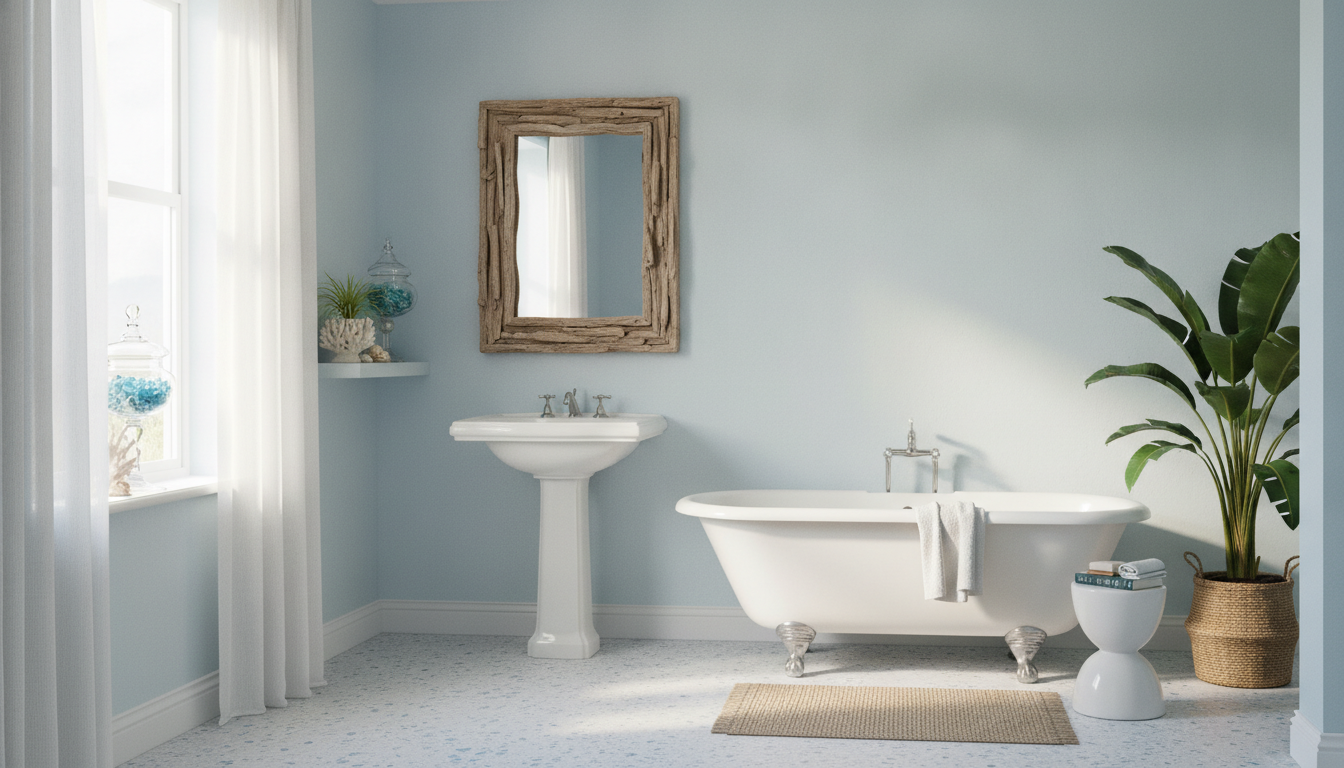
Coastal mirrors typically feature natural materials like reclaimed wood, rattan, or rope framing. They prioritize light, airiness, and a weathered, organic aesthetic inspired by beachside environments. The frames often showcase soft whites, sandy neutrals, pale blues, and driftwood tones.
Lighting design plays a crucial role: coastal mirrors are positioned to maximize natural daylight and reflect it throughout the room, amplifying the sense of space and serenity. This principle applies whether your mirror is small and intimate or expansive and statement-making.
Coastal Mirrors Beyond Coastal Style
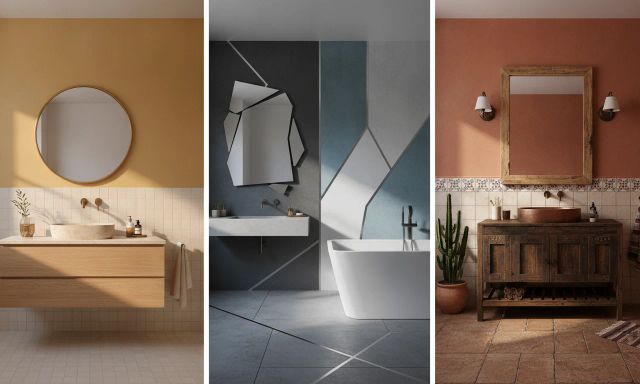
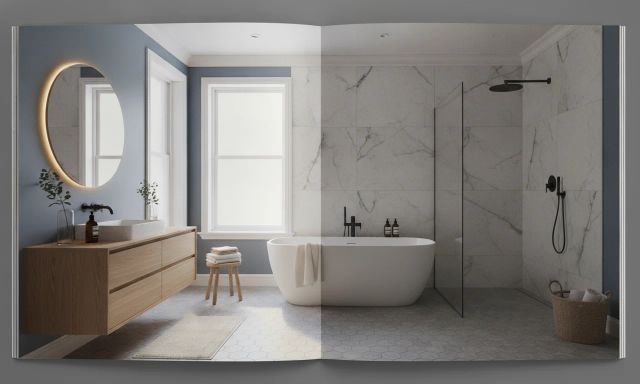
While Coastal style is the obvious home for seaside-inspired mirrors, this aesthetic translates beautifully into other design languages. Japandi blends Japanese and Scandinavian minimalism with natural materials—making a simple wooden-framed mirror a perfect fit. Japandi prioritizes balance, warmth, and understated elegance, all qualities a neutral coastal mirror embodies.
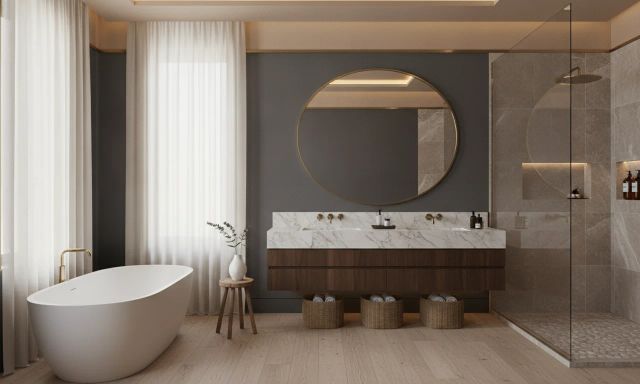
Neoclassical bathrooms, with their symmetrical proportions and refined details, pair beautifully with mirrors featuring decorative wooden frames in soft finishes. Meanwhile, Memphis design embraces playful, eclectic geometry—making a mirror with an unexpected frame colour or bold outline a creative focal point.
Material & Style Pairings
| Style | Recommended Floor Materials | Why They Work Together |
|---|---|---|
| Coastal | Light Terrazzo, Alabaster Slab | Terrazzo and stone evoke natural, weathered beauty. Light Terrazzo reflects daylight like sand and water, amplifying the mirror's reflective qualities and creating visual continuity. |
| Japandi | Olive Leaf, Light Terrazzo | Plaster-based Olive Leaf flooring provides warm, earthy grounding that complements a simple wooden mirror frame. The natural tone palette reinforces harmony and balance. |
| Neoclassical | Alabaster Slab | Alabaster's formal elegance and luminous quality echo classical refinement. A decorative mirror frame in soft wood or painted finish creates symmetrical visual interest above vanities. |
| Memphis | Light Terrazzo | Terrazzo's playful speckled pattern complements Memphis's bold, eclectic energy. A geometric or colour-blocked mirror frame becomes a true statement piece. |
Planning Your Mirror Placement and Renovation
Once you've chosen a coastal style mirror, consider the broader bathroom context. Floor and wall material selection will dramatically affect how your mirror reflects light and anchors the space. Pairing a driftwood-framed mirror with Light Terrazzo flooring creates a cohesive seaside narrative.
Use AI room redesign to test your mirror choice before purchasing. Upload a photo of your current bathroom, select Coastal style, and visualize how different mirror frames interact with your lighting, vanity, and storage. This risk-free exploration helps you avoid costly mistakes.
If you're also rethinking your vanity, cabinet, or accessories, explore furniture addition and replacement tools. For a complete refresh, virtual decluttering can help you pare down distractions, making your mirror the true hero of the space.
Styling Tips for Maximum Impact
- Position your mirror opposite or adjacent to windows to amplify natural light and create the illusion of additional space.
- Keep the mirror frame simple and uncluttered—coastal style celebrates restraint and organic beauty, not ornate detail.
- Pair your mirror with minimal countertop styling: a glass bottle, a potted succulent, and perhaps a soft towel in cream or seafoam tones.
- Consider the mirror's shape: round or oval frames soften rectangular bathroom layouts, while rectangular mirrors echo clean, modern lines.
FAQ
Can I use a coastal mirror in a non-coastal bathroom?
Absolutely. A simple wooden-framed mirror works beautifully in Japandi, minimalist, and farmhouse bathrooms. The key is ensuring the frame colour and material complement your chosen style and existing materials.
What size mirror should I choose for a small coastal bathroom?
In small spaces, a larger mirror actually makes the room feel bigger by reflecting light and creating visual depth. Aim for a mirror that spans at least half your wall width, but ensure it's proportional to your vanity below.
How do I keep a natural wood frame mirror from warping in humid bathroom conditions?
Choose mirrors with sealed, high-quality frames and ensure adequate ventilation in your bathroom. Consider materials like treated teak or composites designed for moisture exposure. Proper bathroom renovation planning includes humidity control strategies.
Visualize Your Coastal Bathroom Today
Choosing the right mirror is easier when you can see it in context. Whether you're drawn to pure Coastal style or blending it with Neoclassical elegance, try it free on vividoo.app. Upload your bathroom photo, select your preferred style and materials, and watch your space transform. Discover how the right mirror—paired with thoughtful flooring and design choices—creates a bathroom sanctuary you'll love stepping into every day. For more inspiration on coastal aesthetics, explore our guide to Coastal Bathroom Style: Bring Seaside Serenity Home.