Creating a cottage garden landscape is about blending romance, abundance, and purposeful naturalism into a cohesive outdoor space. Whether you're starting from scratch or reimagining an existing yard, understanding the core principles of garden design will help you craft a space that feels both intentional and effortlessly charming.
The beauty of cottage garden landscaping lies in its flexibility—it can work in small urban yards or sprawling country estates. With the right style direction and materials, you can achieve that coveted lived-in elegance that makes visitors linger in your garden.
Understanding Cottage Garden Design Principles
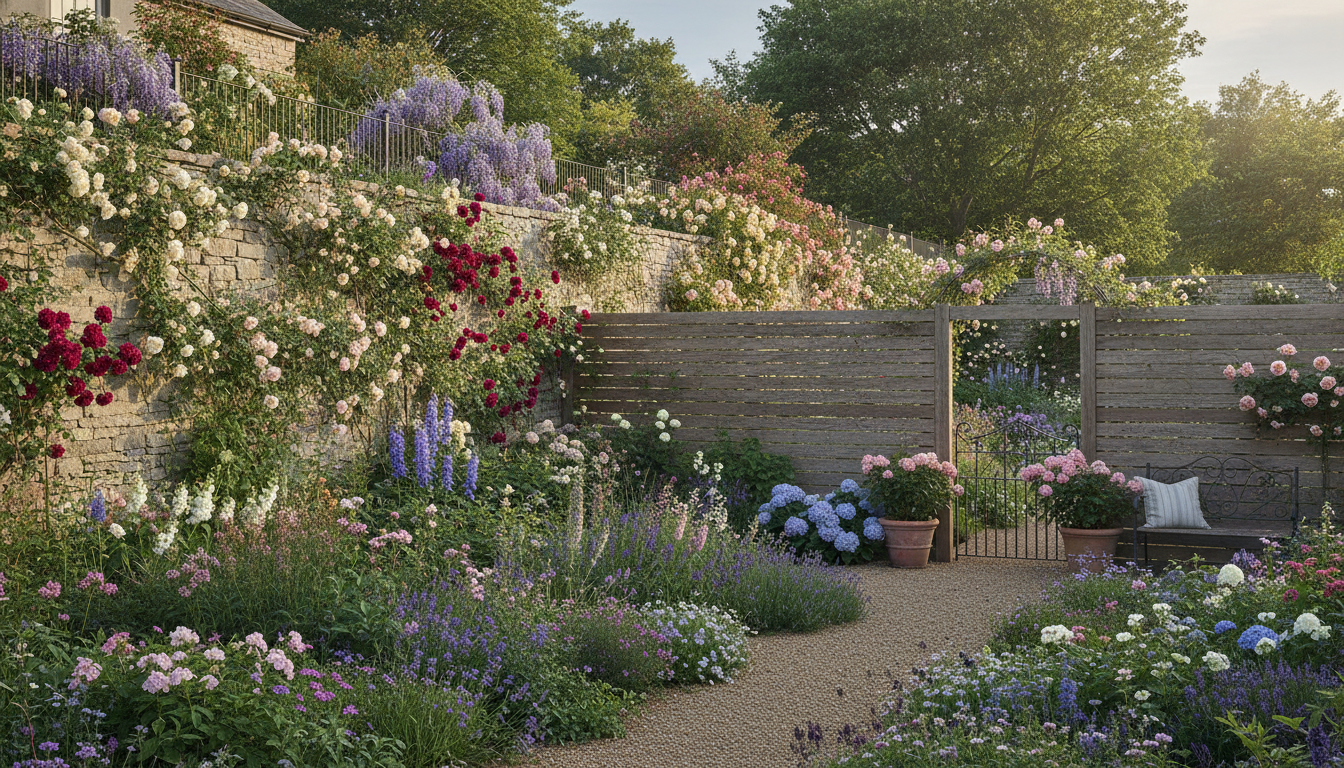
Cottage style gardens embrace layered plantings, mixed textures, and a sense of organized chaos. Rather than rigid symmetry, cottage gardens celebrate the interplay of flowering plants, foliage, and hardscape elements working together.
The key is selecting materials and layouts that support this aesthetic. Landscape design in the cottage tradition often incorporates natural stone, weathered wood, and informal pathways that invite exploration. When planning your garden renovation, prioritize authenticity over perfection.
- Layer plants by height and bloom time for year-round interest
- Incorporate hardscape focal points like walls and fences
- Use curved lines and organic shapes rather than straight borders
- Mix perennials, annuals, and self-seeding plants
- Create seating areas nestled within plantings
Style Options for Cottage Landscapes
While Cottage remains the quintessential approach, exploring related styles can inspire hybrid designs tailored to your climate and taste.
English style gardens share cottage sensibilities but emphasize more structured planting beds and manicured edges. They're ideal if you prefer a polished yet romantic aesthetic. In contrast, Tuscan landscapes introduce Mediterranean warmth with stone terraces, gravel pathways, and drought-tolerant plants—perfect for sunny, dry regions. For arid climates, Desert style gardens celebrate native plants, sculptural forms, and minimal supplemental watering while maintaining visual richness.
Use AI room redesign tools to preview how each style translates to your specific space before committing to plants and permanent structures.
Material & style pairings
| Style | Recommended Materials | Why It Works |
|---|---|---|
| Cottage | Retaining Wall, Horizontal Slat Fence | Natural stone and weathered wood create the rustic, aged charm central to cottage aesthetics while providing structure for climbing plants. |
| English | Andesite Stone, Outdoor Tiles | Uniform, refined stonework and formal paving emphasize the manicured elegance typical of English garden design. |
| Tuscan | Andesite Stone, Retaining Wall | Warm, earthy stone materials evoke Mediterranean terracing and village architecture characteristic of Tuscan landscapes. |
| Desert | Outdoor Tiles, Rubber Mat | Contemporary, low-maintenance surfaces suit modern desert gardens while managing heat and drainage in arid zones. |
Hardscape Materials for Cottage Landscapes
Your choice of hardscape materials anchors the entire garden. The floor and wall materials renovation tools let you test combinations before installation.

Retaining Wall materials in natural stone create terraced planting beds and define garden rooms while supporting the cottage aesthetic. Horizontal Slat Fence options offer a softer backdrop than solid barriers, allowing light and air circulation while framing views and providing climbing support.
Andesite Stone works beautifully as both retaining elements and focal point features. For pathways and patios, Outdoor Tiles provide durability and style cohesion. Tiles in earth tones integrate seamlessly into cottage schemes.
Planting Strategies for Year-Round Appeal
Cottage gardens thrive on diversity and succession. Plan plantings so something blooms in every season—spring bulbs transition to early perennials, summer flowers peak while spring plants fade, and autumn foliage and seed heads extend interest into winter.
Layer plants in drifts rather than single specimens. Group perennials like coreopsis, salvia, and ornamental grasses with annuals and biennials that self-seed for natural, evolving compositions. Consider fragrance, texture, and foliage color as much as flower hue.
If you're redesigning an existing garden, use object remover tools to test how the space looks without overgrown or misplaced elements. This clarity helps inform planting plans and focal point placement.
Related Inspiration
Explore adjacent garden styles for fresh perspectives. How to Create a Tuscan Garden That Feels Like Italy offers insights into Mediterranean terracing applicable to cottage landscapes in sunny sites. Small Tuscan Garden Ideas That Transform Tight Spaces demonstrates how formal materials work in compact areas, while Tropical Balcony Garden Ideas That Transform Small Spaces shows how vertical planting maximizes impact in limited yards.
FAQ
What's the difference between cottage and English garden styles?
Cottage gardens prioritize abundant, informal planting with a sense of natural overflow, while English gardens maintain more structured beds and refined edges. Both are romantic, but English style feels more manicured. English designs work well for homeowners who want cottage charm with organized boundaries.
Can I adapt cottage landscaping to a dry climate?
Yes. Adopt Desert style principles by selecting drought-tolerant plants with similar forms and textures to traditional cottage perennials—think desert marigold instead of regular marigold, or desert rose instead of garden roses. The design philosophy remains the same; the plant palette shifts to your climate.
How do I start redesigning my garden space?
Begin with AI room redesign to explore how different styles and materials appear in your actual garden. Upload a photo, select your preferred style, and test material combinations. This risk-free preview helps you make confident decisions before any physical work begins.
Ready to transform your outdoor space into a cottage garden landscape that reflects your vision? Try it free on vividoo.app—upload your garden photo, select a style, and preview your redesigned landscape in seconds. Perfect your plan before you plant.