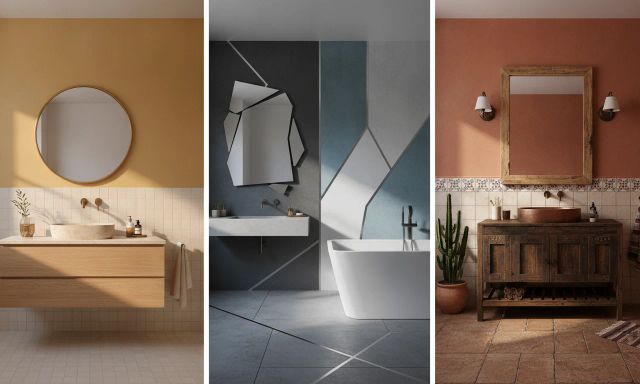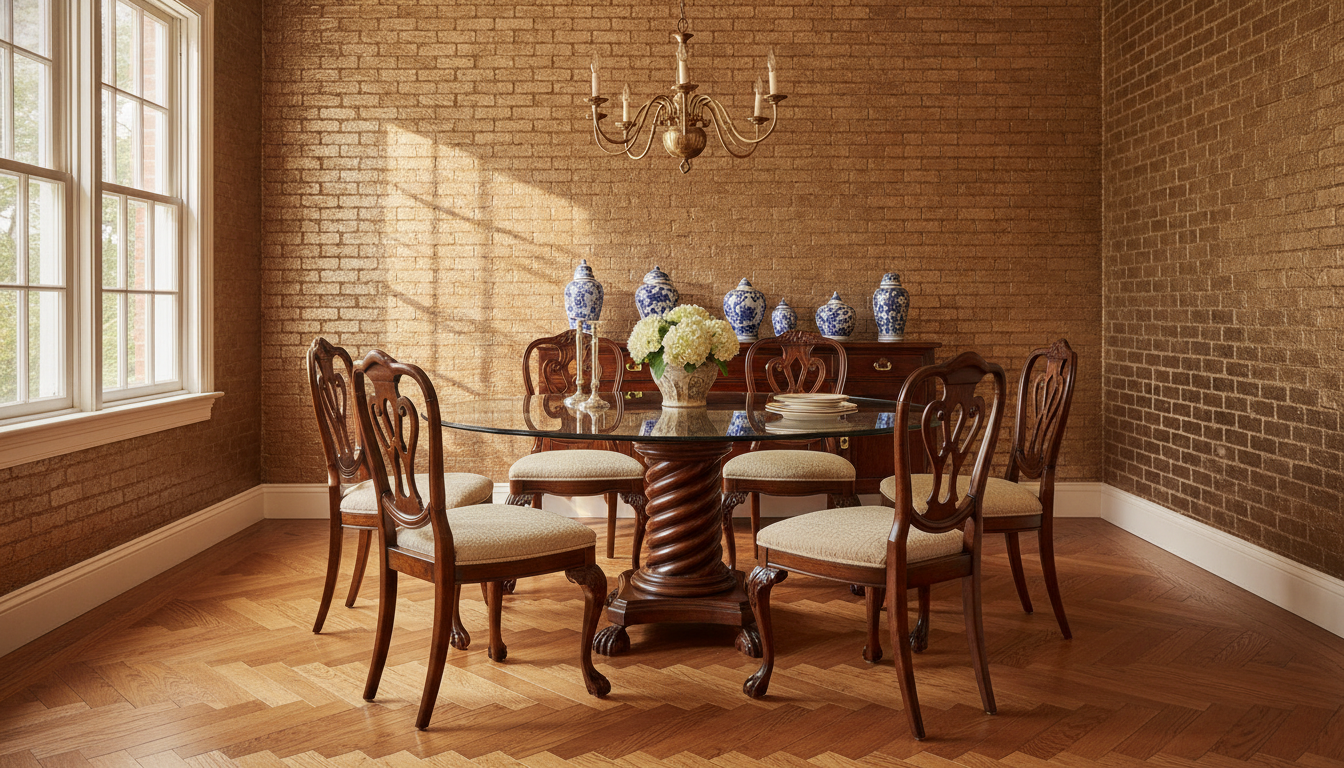
A glass dining table serves as both a functional centerpiece and a design statement. Whether your space leans toward traditional elegance or contemporary minimalism, glass elements can amplify light, create visual continuity, and add sophistication to your dining room. The right pairing of glass surfaces with complementary styles and materials transforms how your space feels and functions.
At vividoo, we help you visualize these design possibilities before committing to changes. Upload a photo of your current dining room redesign space, select a style and optional materials, and see how glass-forward designs look in your actual environment.
Why Glass Works in Dining Spaces
Glass dining tables create an illusion of openness, making smaller rooms feel airier and larger spaces feel intentional. They reflect light from windows and fixtures, brightening your dining area throughout the day.
Beyond aesthetics, glass is practical—it's easy to clean and pairs seamlessly with virtually any design language.
When combined with thoughtful wall treatments and floor and wall materials renovation, glass elements anchor a cohesive design narrative. The key is selecting a style framework and material palette that complement rather than compete with your glass table.
Four Design Styles That Celebrate Glass
Colonial dining rooms embrace traditional proportions and ornamentation. A glass table in this context works beautifully—the transparent surface lets the craftsmanship of the base and room architecture shine through without visual heaviness. Rich wood finishes and classic wall treatments ground the airy table.
Deconstructivism breaks conventional design rules, making glass an ideal material choice. Its reflective and transparent properties amplify the style's bold, fractured aesthetic. Unusual angles, mixed textures, and provocative layouts become even more striking when viewed through or beside a glass surface.
Bauhaus champions the principle "form follows function," and glass exemplifies this perfectly. Bauhaus design prioritizes clean lines, honest materials, and purposeful simplicity. A minimalist glass table with a sleek metal base aligns with Bauhaus ideals of utility and elegance combined.
Wabisabi finds beauty in impermanence and natural imperfection. While glass is flawless, it can soften the room's visual impact, allowing natural wood elements, earthy tones, and organic textures to become focal points. The table becomes a quiet backdrop rather than a statement piece.
Material & Style Pairings
| Style | Recommended Materials | Why It Works |
|---|---|---|
| Colonial | Chevron Parquet, Metallic Glaze Brick | Ornate flooring and richly textured walls balance the transparency of glass, maintaining traditional elegance. |
| Deconstructivism | Fluted Glass, Metallic Glaze Brick | Textured wall surfaces and geometric patterns amplify the provocative, unconventional character. |
| Bauhaus | Reclaimed Pine, Glass Panel | Honest materials and clean wall surfaces reinforce functional minimalism without distraction. |
| Wabisabi | Reclaimed Pine, Fluted Glass | Weathered wood flooring and soft-textured walls embrace natural beauty and impermanence. |
Glass Finishes and Wall Treatments
Your glass table doesn't exist in isolation. The walls surrounding it dramatically influence how the table reads in your space. Wall panelling in materials like Glass Panel or Fluted Glass creates visual depth and directs light play around your transparent dining surface.
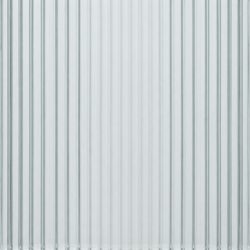
Textured walls absorb and scatter light differently than flat surfaces. This interplay between smooth glass and rougher materials creates visual interest and prevents your dining room from feeling too stark or cold.
Flooring That Anchors Glass Tables
Parquet and reclaimed lumber both provide grounding warmth beneath a glass table. Chevron Parquet introduces geometric movement that complements the table's transparency, while Reclaimed Pine adds rustic authenticity and visual texture.
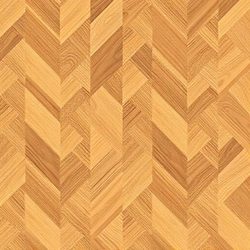
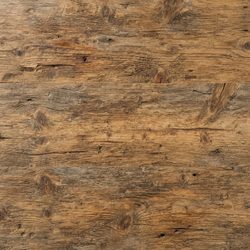
The floor beneath your glass table is visible from every seated angle, making material choice critical. Warm wood tones prevent the room from feeling institutional, while geometric or distressed finishes add personality.
Accent Materials: Brick and Beyond
Brick in modern applications, like Metallic Glaze Brick, brings industrial character and textural contrast. When one or two walls feature this treatment, they frame your glass table without overwhelming it. The metallic finish catches light similarly to glass, creating cohesion.
Consider using add or replace furniture features to test how different chair styles interact with your glass table and accent walls before committing to purchases.
Visualizing Your Glass Dining Room Before Redesigning
The best way to decide on glass design combinations is to see them in your actual space. Upload your current dining room photo to vividoo, select a style like Colonial or Bauhaus, and optionally specify materials like Chevron Parquet or Fluted Glass. The AI previews your redesigned space instantly.
Use additional tools like virtual decluttering, object remover, or empty room generator to refine your vision. These features help you isolate the glass table and material elements that matter most to your design.
Related Inspiration
Explore more dining room concepts in our guides on what color should a dining room be, dining design ideas that transform your table, and eclectic style dining room mixing art, culture and personality. Each resource deepens your understanding of how individual elements work together.
FAQ
Does a glass dining table work in small dining rooms?
Yes, glass is ideal for compact spaces. Its transparency creates visual continuity and prevents the room from feeling cramped. Pair it with minimal wall treatments and light-colored materials to maximize the airy effect.
Can I mix glass tables with traditional Colonial or Wabisabi styles?
Absolutely. Colonial and Wabisabi styles benefit from glass tables because the transparent surface showcases ornate bases or natural wood craftsmanship without adding visual bulk. The key is balancing glass with rich textures in walls and floors.
What materials pair best with modern glass dining tables?
Bauhaus and Deconstructivism styles pair exceptionally well with glass. Use Reclaimed Pine or Chevron Parquet flooring and geometric wall treatments like Glass Panel or Fluted Glass to maintain clean, intentional design language.
Transform Your Dining Room Today
Glass dining table design ideas come to life when you can visualize them in your own space. Stop guessing and start seeing how Colonial, Bauhaus, Wabisabi, and Deconstructivism styles transform your room with different material combinations. Try it free on vividoo.app—upload your photo, select your style, and discover your perfect glass-forward dining room in seconds.