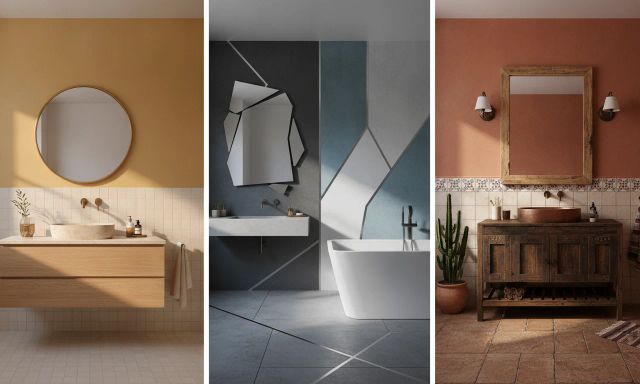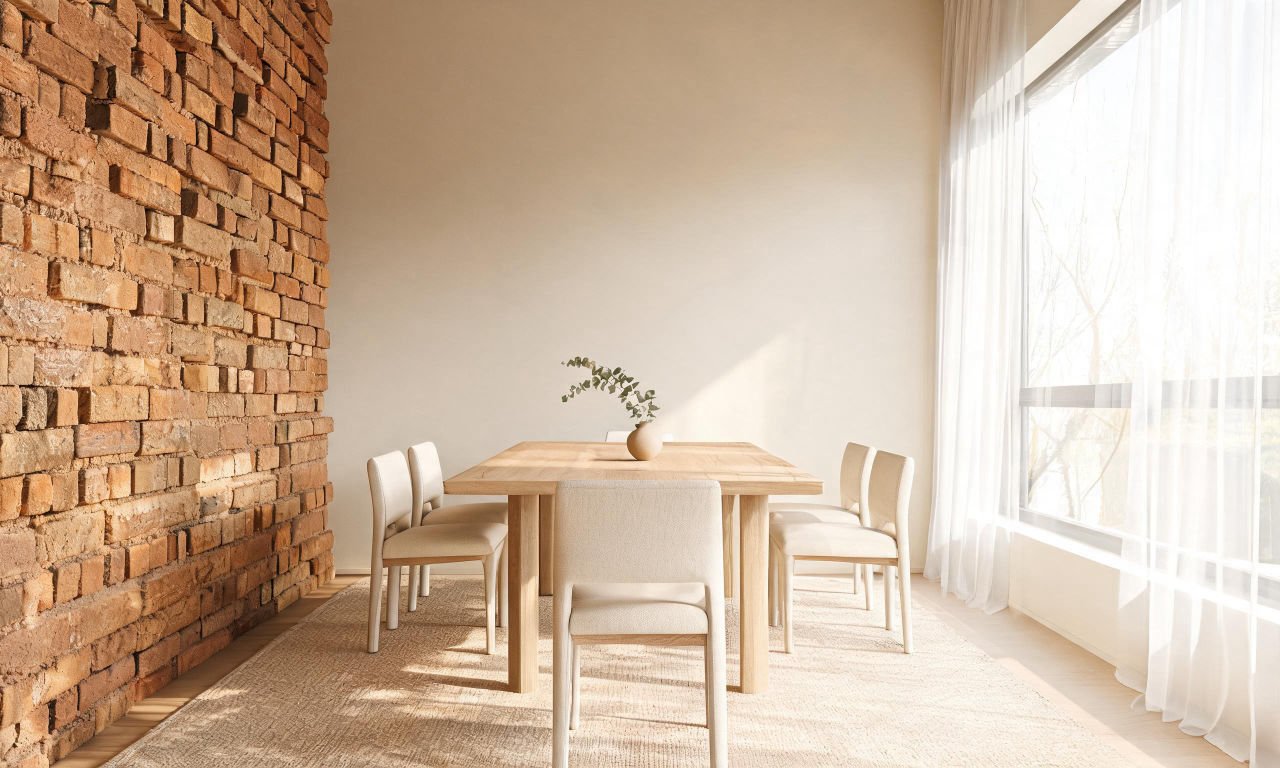
Feng shui is an ancient Chinese practice that harmonizes interior spaces with natural energy flow. When applied to your dining room through carefully chosen colors and design styles, it transforms the space into a sanctuary for nourishing meals and meaningful conversations.
The right color palette combined with thoughtful design creates psychological comfort that extends beyond aesthetics.
Your dining room's colors directly influence appetite, mood, and social interaction. Color theory reveals how warm and cool tones affect emotional responses, making color selection crucial for feng shui balance. By pairing these principles with modern design styles, you can create a dining space that feels both intentional and inviting.
Understanding Feng Shui Color Principles
Feng shui categorizes colors by the five elements: wood (green, brown), fire (red, orange), earth (yellow, beige), metal (white, gray), and water (blue, black). Each element carries distinct energy that influences how diners experience the room.
A balanced dining room incorporates at least two or three elements without overwhelming the senses.
Neutral earth tones create stability and appetite stimulation, while soft greens encourage growth and renewal. Deep blues promote calm conversation, though they should be used sparingly to avoid suppressing appetite. Metallic accents add clarity and precision, grounding the space's energy while maintaining sophistication.
Dining Room Color Palettes by Style
Minimalism embraces feng shui's principle of balance through simplicity. This style favors whites, soft grays, and warm beiges that create visual calm and allow energy to flow unobstructed. A monochromatic or near-neutral palette reduces visual noise, permitting diners to focus on food and conversation.
Industrial dining rooms pair cool metallic grays with warm wood tones and deep charcoals. These colors honor both earth and metal elements, creating grounded yet refined energy. Exposed materials emphasize authenticity, which aligns with feng shui's respect for natural materials and their inherent energy.
Summer Escape introduces warm, vibrant yellows, soft corals, and ocean blues that energize the space. This palette activates the fire and water elements, encouraging joy and relaxed communication. The cheerful warmth stimulates appetite while maintaining emotional comfort.
Midcentury style combines warm wood, soft oranges, mustard yellows, and muted greens. This vintage-inspired palette naturally incorporates wood and earth elements, creating timeless warmth that feels both energetically balanced and nostalgically inviting. The moderate saturation ensures colors support rather than dominate.
Material and Style Pairings
| Style | Material Pairing | Why It Works |
|---|---|---|
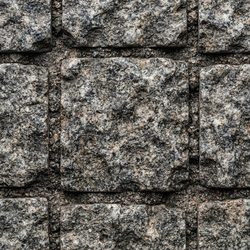
| Minimalism | Granite Sett floor | Clean stone surfaces reduce visual clutter; neutral grays support calm, uncluttered energy flow aligned with feng shui principles. |
| Industrial | Titanium Sheet walls | Metallic surfaces reflect light and energy; modern metal honors the metal element while maintaining industrial authenticity and durability. |
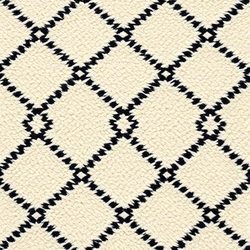
| Summer Escape | Beni Ourain floor | Warm, patterned textiles add organic character; the natural wool fibers connect to earth element while soft patterns energize without overwhelming. |
| Midcentury | Berber Carpet floor | Textured, earthy wool grounds the space; warm neutral tones complement vintage wood furniture, anchoring midcentury warmth with natural fiber comfort. |

Implementing Color Through Floor & Wall Materials
Your dining room's color foundation stems from floors and walls. Floor and wall material choices determine whether the space feels energetically open or anchored. Warm natural materials like hardwood and Mud Brick walls introduce earth and wood elements, essential for grounding feng shui energy.
Cool stone surfaces like Granite Sett floors balance warm furnishings, creating visual equilibrium. Textured textiles such as Beni Ourain and Berber Carpet add organic softness, inviting comfort while introducing natural fiber's calming properties.
The combination of materials—not just color—influences how chi (life force energy) circulates through your dining experience.
Optimizing Your Dining Room Layout
Color works best alongside intentional space planning. Use virtual decluttering tools to remove visual distractions, allowing your chosen color palette to shine. Clear sightlines and organized furnishings permit energy to flow naturally, making your feng shui color choices more effective.
If your current dining room doesn't reflect your desired palette, AI room redesign technologies let you preview styles before investing in renovation. Test how minimalist whites, industrial grays, summer escape corals, or midcentury warmth actually feel in your space.
FAQ
What's the best feng shui color for a dining room?
Soft warm colors like beige, cream, and muted yellows stimulate appetite while maintaining calm. Accent with earth-tone greens or soft reds to activate the wood and fire elements, promoting lively conversation and nourishment.
Can I use dark colors in a feng shui dining room?
Yes, but use them sparingly. Deep charcoals and navy work as accent walls or in industrial styles, grounding energy without suppressing appetite. Balance dark tones with ample lighting and lighter furnishings to maintain positive chi flow.
How do materials influence feng shui energy beyond color?
Natural materials like wood, stone, and textiles carry inherent energy aligned with feng shui elements. Ceramic and natural tiles ground earth element energy, while metal finishes sharpen clarity and focus during meals.
Transform Your Dining Room Today
Feng shui dining room colors create more than visual appeal—they establish an energetic foundation for nourishing gatherings. Whether you're drawn to minimalism's serene whites, industrial's balanced grays, summer escape's warm cheerfulness, or midcentury's vintage warmth, your color choices shape how the space feels and functions. Ready to visualize your ideal dining room? Try it free on vividoo.app—upload a photo, select your preferred style, and discover how the right color palette transforms your space into a feng shui sanctuary.