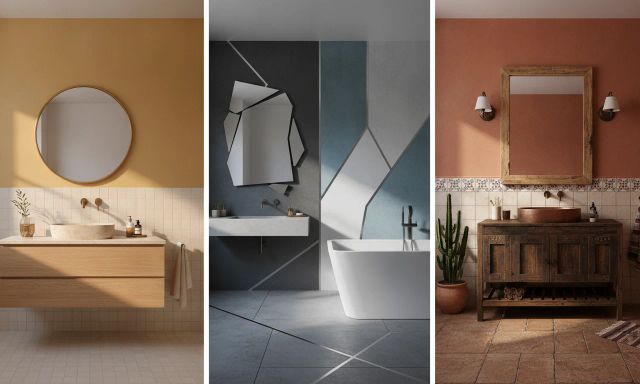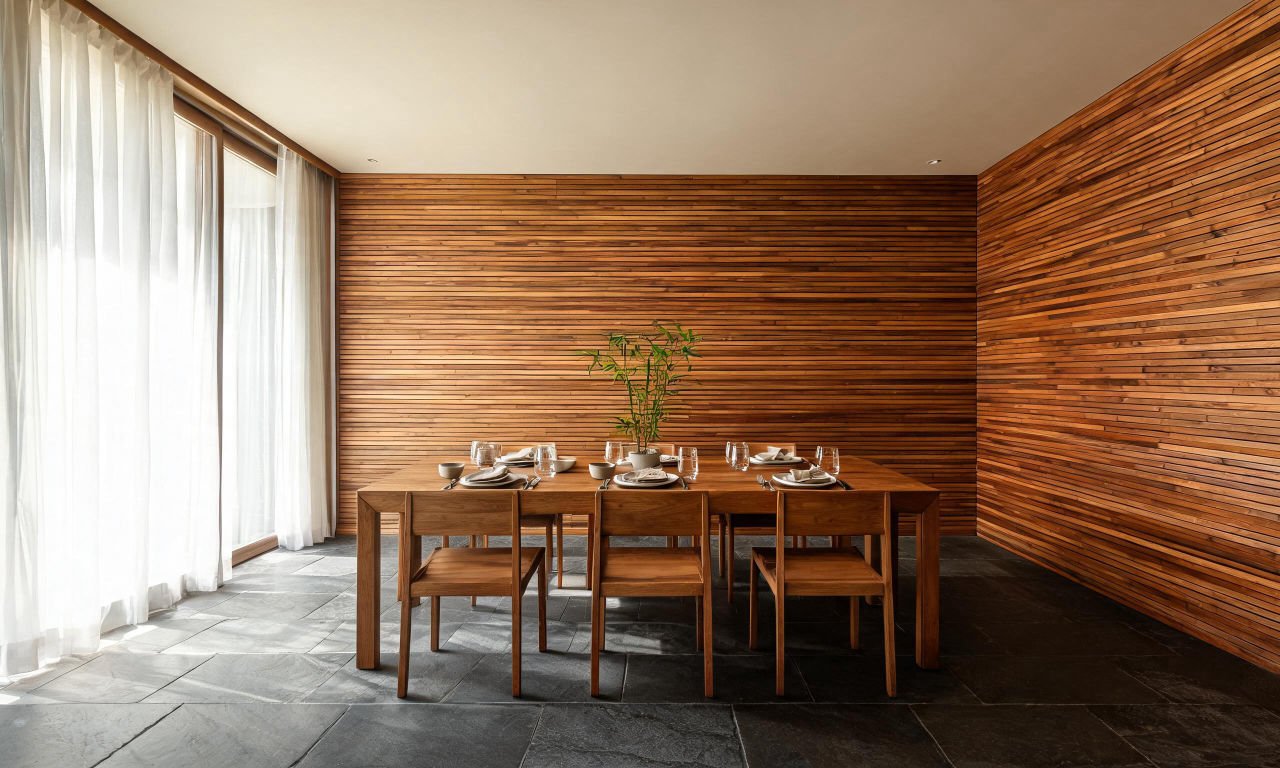
Your dining room is more than a place to eat—it is the heart of hospitality and family connection. Interior design principles, particularly feng shui, offer timeless guidance for creating a space that nurtures both body and spirit. Whether you prefer traditional or modern aesthetics, the right combination of style and materials can transform your dining room into a harmonious sanctuary.
In this guide, we explore how to apply feng shui principles while choosing from curated AI room redesign styles and sustainable floor and wall materials that enhance flow, energy, and visual balance.
Understanding Feng Shui in Dining Room Design
Feng shui, the ancient Chinese practice of spatial arrangement, emphasizes balance, natural light, and energy flow. A well-designed dining room following feng shui principles encourages mindful eating, positive conversation, and abundant energy for those who gather there.
Key feng shui elements include:
- Clear sightlines and uncluttered spaces for smooth chi (energy) flow
- A solid table positioned to command the room without blocking doorways
- Natural materials that connect to earth and wood elements
- Warm, balanced colour theory applications that calm and inspire
- Adequate natural light paired with adjustable artificial lighting
When combined with modern design styles, these principles create dining rooms that feel both grounded and contemporary.
Top Dining Room Styles for Feng Shui Balance
Choosing the right style sets the visual foundation for a harmonious dining space. Each of these curated styles naturally aligns with feng shui principles of balance and natural beauty.
Rustic Dining Rooms
Rustic design embraces natural wood, earthy tones, and time-worn textures that embody feng shui's connection to nature and grounding energy. This style works beautifully in dining rooms where warmth and authenticity matter most.
Coastal Dining Rooms
Coastal aesthetics bring light, airiness, and the calming essence of water—a core feng shui element. Light palettes and natural materials create spaces that feel open and inviting.
Summer Escape Dining Rooms
Inspired by warm, sun-soaked retreats, Summer Escape styling brings brightness and positive energy that naturally harmonizes with feng shui goals of vitality and joy.
Spring Renewal Dining Rooms
Fresh colours and rejuvenating design elements of Spring Renewal align with feng shui's emphasis on new beginnings and balanced, flowing energy in the home.
Material & Style Pairings
| Style | Recommended Materials | Why It Works |
|---|---|---|
| Rustic | Acacia Slat (walls), Dark Slate (floor) | Natural wood and stone ground the space in earth energy; authentic textures support feng shui's nature connection |
| Coastal | MDF Slat (walls), Nero Marquina (floor) | Light panelling and cool stone create airy flow; reflective surfaces mirror water elements |
| Summer Escape | Acacia Slat (walls), Nero Marquina (floor) | Warm wood paired with elegant stone balances brightness and grounding; invites natural light |
| Spring Renewal | MDF Slat (walls), Dark Slate (floor) | Contemporary panelling feels fresh; darker floors anchor vibrant, renewal-focused energy |
Key Materials for Feng Shui Dining Rooms
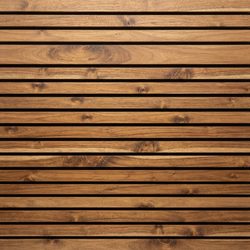
Wall Finishes: Natural materials like Acacia Slat bring warmth and authenticity to dining spaces. For modern minimalism, MDF Slat offers clean lines and flexibility. Both support feng shui's principle of balanced, uncluttered walls that allow energy to flow freely.

Floor Options: Dark Slate provides grounding, stability, and a sophisticated anchor for the room. Marble-inspired finishes like Nero Marquina offer elegance and light reflection that enhance spatial openness. Both materials are durable and support long-term harmony through resilience.
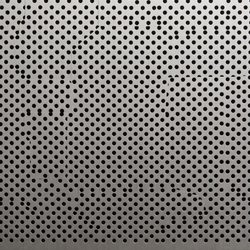
Accent Surfaces: Perforated Metal introduces modern metallurgical elements that balance wood and stone, adding visual interest while maintaining feng shui flow through its open, permeable structure.
Design Tools to Perfect Your Feng Shui Dining Room
Once you've selected a style and materials, refine your space using digital design tools:
- AI room redesign lets you visualize full style transformations instantly
- Add or replace furniture to test layouts that honour feng shui positioning
- Virtual decluttering helps remove visual chaos and optimize chi flow
- Object remover eliminates distractions for a cleaner, more harmonious view
- Empty room generator creates a blank canvas to reimagine your space from scratch
FAQ
How do I arrange a dining table for feng shui balance?
Position the table so the main door is visible from the dining chairs without direct alignment. Avoid placing the table directly in line with entry or exit points, as this disrupts chi flow.
The table should feel centered in the room, allowing equal walking space on all sides.
What colours support feng shui in a dining room?
Warm earthy tones (browns, terracottas, soft greens) stimulate appetite and conversation. Avoid harsh reds or pure black; instead, opt for balanced accents. Styles like Rustic and Coastal naturally incorporate these harmonious palettes.
Can I mix feng shui with modern design?
Absolutely. Contemporary styles like Spring Renewal and Summer Escape honour feng shui principles—balance, natural materials, and flow—while embracing modern aesthetics. The key is intentional material selection and spatial clarity.
Transform Your Dining Room Today
Creating a feng shui dining room doesn't require a complete renovation. Start by exploring how different styles and materials harmonize in your space. Upload a photo of your dining room and try it free on vividoo.app. Experiment with Rustic warmth, Coastal airiness, Summer Escape brightness, or Spring Renewal freshness—all with real materials visualized in seconds. Discover your perfect balance.