A well-designed dining room isn't just about aesthetics—it's about creating an environment where family and guests feel welcome and at ease. Feng shui, the ancient Chinese practice of spatial arrangement, offers timeless principles for optimizing your dining space.
When applied thoughtfully, feng shui dining room layout can enhance conversation, improve digestion, and foster positive energy throughout your home.
Whether you're starting from scratch or refining an existing space, understanding how to balance furniture placement, material selection, and design style is essential. This guide explores how to merge feng shui principles with contemporary design styles to create a dining room that feels both beautiful and harmonious.
Core Feng Shui Principles for Dining Rooms
The foundation of feng shui dining room layout rests on five core concepts: commanding position, flow, balance, natural materials, and intentional lighting. The commanding position means the dining table should allow diners to see the entrance without being directly in line with the door.
This creates a sense of control and security while eating.
Balance in a feng shui dining room involves symmetry and proportion. Avoid cramming too much furniture into the space; instead, allow chi (life energy) to circulate freely.
Natural materials like wood, stone, and textiles ground the space and connect diners to the earth element. Lighting should be warm and adjustable, never harsh or flickering, to support digestion and conversation.
- Position the table away from sharp corners and clutter
- Choose rounded or oval tables when possible to encourage flow
- Use mirrors sparingly to avoid overwhelming energy
- Keep the dining area separate from workspaces and mess
- Incorporate natural light and soft artificial lighting
Style Choices That Support Feng Shui Balance
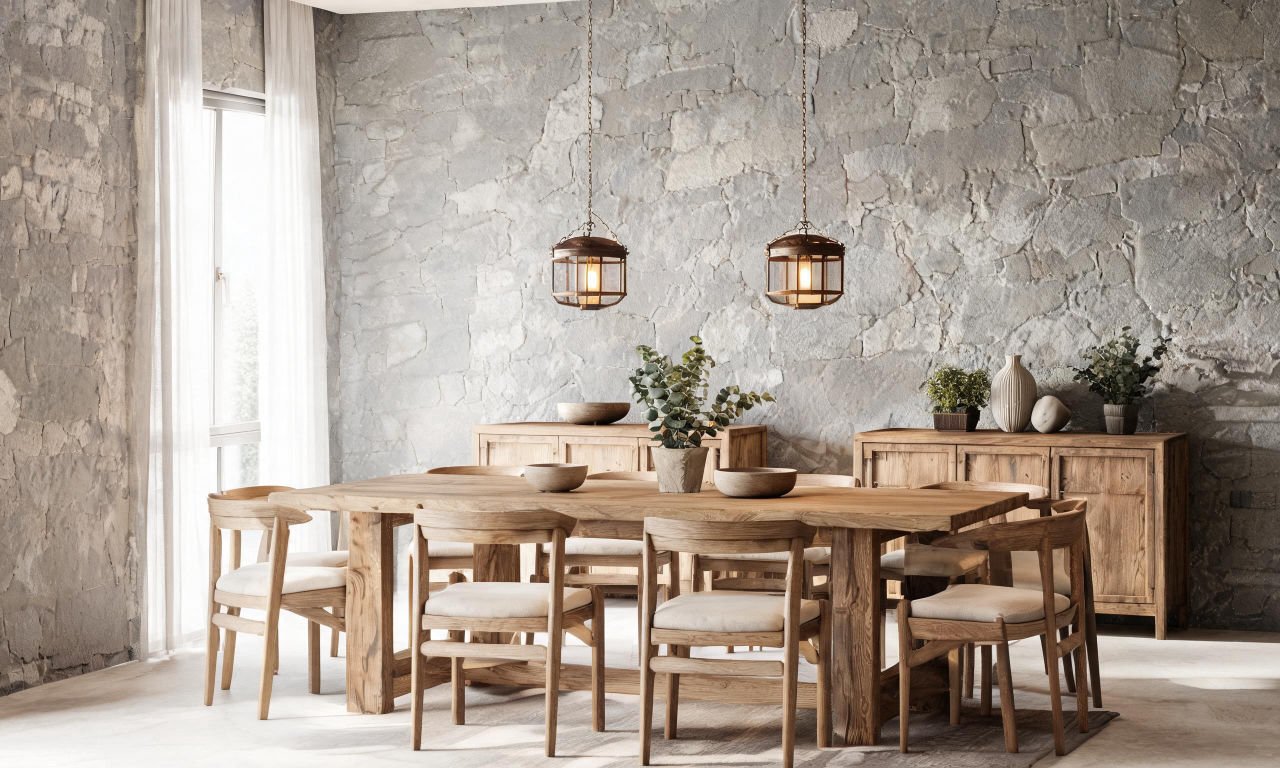
Farmhouse style embraces feng shui principles naturally through its emphasis on simplicity, natural materials, and welcoming warmth. The uncluttered aesthetic and organic textures create calm environments ideal for mindful dining. Coastal design brings similar lightness and flow, using soft palettes and open layouts that allow energy to move freely around the room.
Rustic dining rooms ground diners with earthy tones, solid wood furnishings, and authentic materials that honour nature. Autumn Cozy style creates warmth and comfort through warm colour tones and layered textures, promoting a sense of belonging and togetherness—essential for meaningful meals.
Material & Style Pairings
| Style | Recommended Materials | Why They Work |
|---|---|---|
| Farmhouse | Cedar Wall Panel, Jute Carpet | Natural wood and textile create grounded, welcoming energy while supporting organic flow and balance |
| Coastal | Slate Plaster, Grey Stone | Cool stone and plaster materials evoke calm water and sky, promoting clarity and peaceful conversation |
| Rustic | Cedar Wall Panel, Grey Stone | Authentic stone and wood anchor the space with earth element energy, essential to feng shui balance |
| Autumn Cozy | Velvet Wall, Jute Carpet | Warm, tactile textiles create comfort and togetherness while maintaining natural, grounded aesthetics |
Applying Materials to Enhance Flow
When renovating your dining room with new floor and wall materials, choose surfaces that support calm and connection. Colour theory matters: warm neutrals and earth tones promote appetite and conversation, while cool tones create sophistication and calm.
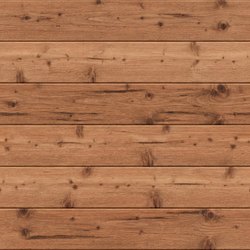
Cedar Wall Panel brings warmth and authenticity, grounding the space with its natural wood grain and organic texture. Slate Plaster offers refined elegance with subtle texture that absorbs harsh light, creating softer ambience.
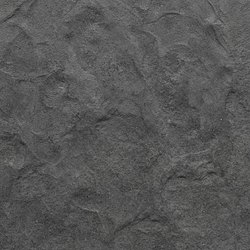
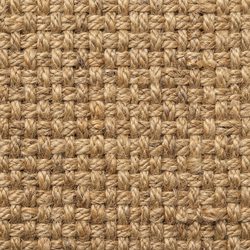
Grey Stone and Jute Carpet add neutral anchors that support any style while maintaining connection to natural materials essential in feng shui philosophy.
Avoid slick, reflective surfaces that create harsh energy. Instead, opt for matte finishes and textured materials like Velvet Wall for depth and visual warmth. These choices support interior design principles while honouring feng shui's emphasis on natural, grounded aesthetics.
Furniture Arrangement and Spatial Flow
Beyond materials, how you arrange furniture shapes energy flow. The dining table should be the focal point, ideally positioned where it's visible from the entrance but not blocking pathways. If you're adding or replacing furniture, prioritize pieces that support conversation and movement.
Chairs should allow easy seating and exit; benches along one side can work but always provide individual seating options on the opposite side. Avoid placing the table under exposed beams or low ceilings, as these create oppressive energy. Storage should be functional and organized; clutter disrupts chi flow. Consider virtual decluttering to envision a cleaner, more balanced space before committing to changes.
Lighting for Energy and Appetite
Lighting is crucial in feng shui dining room layout. Harsh overhead fixtures drain energy; instead, layer your lighting with a dimmer-controlled chandelier or pendant lights, supplemented by wall sconces or candles.
Warm colour temperature (2700K–3000K) supports relaxation and digestion, while natural daylight during meals connects diners to circadian rhythms and natural energy.
Visualizing Your Redesigned Space
If you're uncertain how feng shui principles will look in your specific dining room, try an AI room redesign to explore different styles and layouts. Experiment with Farmhouse, Coastal, Autumn Cozy, and Rustic designs to see which aligns with your feng shui vision. If unwanted elements are visible, remove objects digitally to envision a cleaner baseline.
FAQ
What shape dining table is best for feng shui?
Round and oval tables are ideal because they promote equal energy and unobstructed conversation. Square and rectangular tables work too if positioned correctly, but avoid sharp corners pointing directly at seating areas.
Can I apply feng shui to a small dining room?
Absolutely. Small spaces benefit especially from feng shui's emphasis on flow and minimalism. Keep furniture minimal, choose light colours, and use mirrors strategically to expand perceived space without overwhelming energy.
Which materials best support feng shui dining rooms?
Natural materials like wood, stone, and textiles ground the space and connect to earth element energy. Cedar Wall Panel, Grey Stone, Jute Carpet, and Slate Plaster are excellent choices that support both feng shui principles and modern aesthetic appeal.
Transform Your Dining Room Today
Creating a feng shui dining room layout doesn't require expensive renovations—it starts with intentional choices about arrangement, materials, and energy flow. Whether you embrace Farmhouse warmth, Coastal serenity, Rustic grounding, or Autumn Cozy comfort, the principles remain consistent: simplify, balance, and honour natural materials. Ready to reimagine your space? Try it free on vividoo.app to visualize your feng shui dining room before making any changes.