Your home office is more than just a workspace—it's an energetic hub where focus, prosperity, and wellbeing intersect. Feng shui, the ancient Chinese practice of spatial harmony, offers proven principles to transform how you work and think.
By aligning your office with these time-tested strategies, you can create an environment that naturally supports productivity, creativity, and success.
Understanding Feng Shui Fundamentals in Office Design
Feng shui operates on the principle that energy, or "chi," flows through spaces and directly influences our mental state and performance. Interior design that respects these natural flow patterns creates psychological comfort and mental clarity. The goal is not decoration for its own sake, but intentional arrangement that removes blockages and welcomes positive energy into your workspace.
The five core elements—wood, fire, earth, metal, and water—form the foundation of feng shui. Each element carries specific energy signatures that can be introduced through materials, colors, and furnishings. When balanced, these elements create a workspace where your mind settles and your creative output flourishes.
Command Position: The Foundation of Feng Shui Office Layout
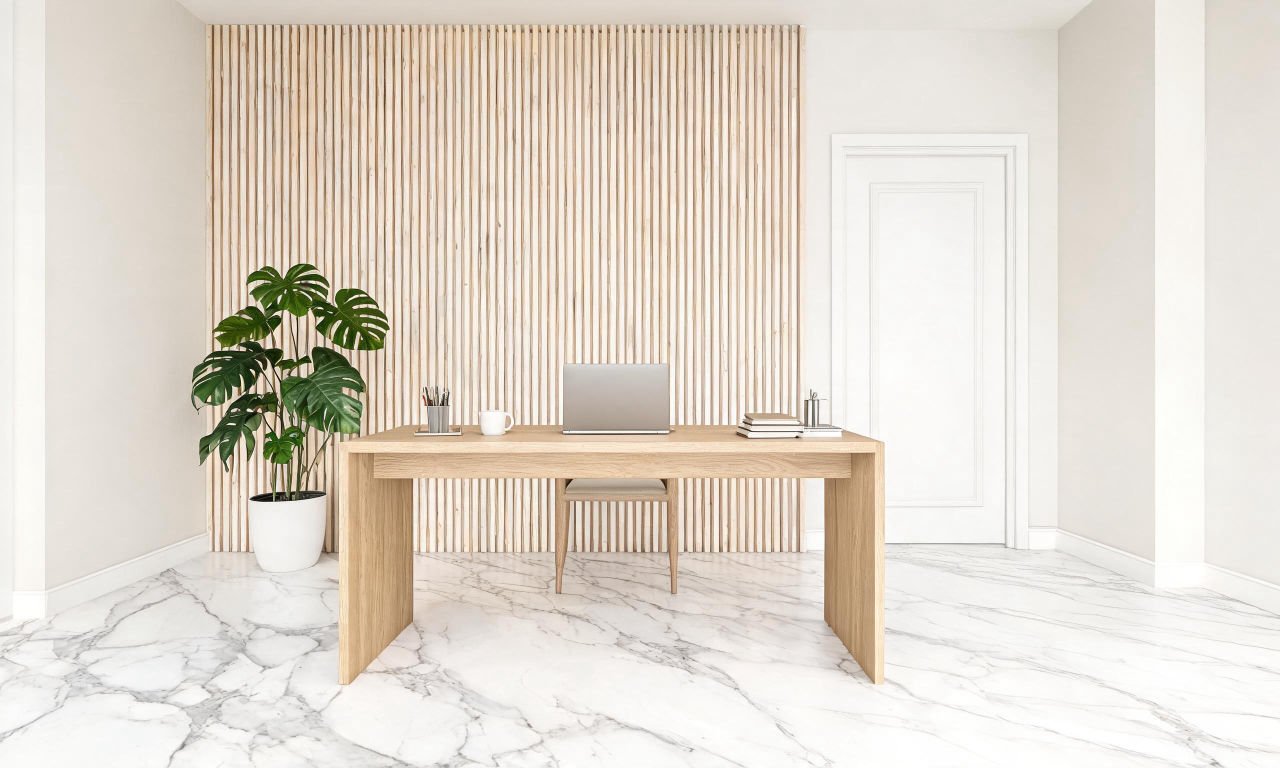
The command position is feng shui's most critical rule for offices. Your desk should face the door with a solid wall or structure behind you, giving you psychological security and control over your workspace.
This positioning allows you to see opportunities approaching while feeling grounded and protected—essential for sustained focus during long work sessions.
If your room layout makes the traditional command position impossible, mirrors can redirect energy and expand sight lines. Keep your desk clear of clutter directly in front of you; this prevents stagnant energy from accumulating and blocking your mental pathways.
Avoid placing your back to a window, as this creates a sense of vulnerability that undermines confidence.
Materials That Align With Feng Shui Principles
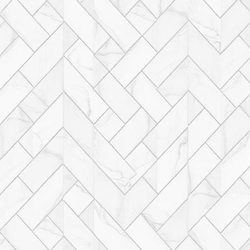
The materials surrounding you profoundly influence your office's energetic quality. Natural materials like wood and stone anchor your space in earth energy, promoting stability and grounding. Marble flooring such as Carrara Marble brings refined earth energy and calm reflection, while wood wall surfaces like Thermal Wood or Wood Slats introduce the growth and vitality of the wood element.
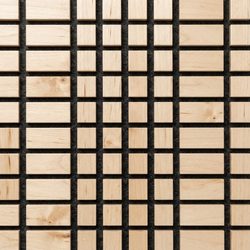
When renovating your home office with floor and wall materials, choose surfaces that feel alive to you. Birch Slat wall paneling brings lightness and clarity, while Rosa Levanto stone flooring grounds the space with natural beauty. Avoid overly synthetic materials that feel energetically hollow; your body intuitively recognizes the difference between authentic and artificial surfaces.
Style Approaches That Support Feng Shui Energy
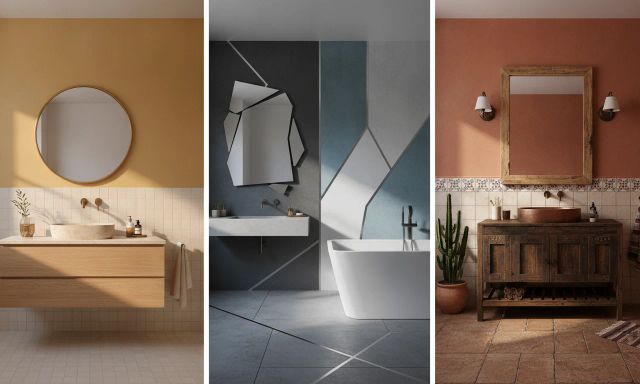
Different design styles naturally align with feng shui principles. Provence style brings warm, grounded earth tones that calm the mind and reduce anxiety. Deco style introduces geometric harmony and balanced proportions that please the eye and organize chaotic energy. Poolside Resort style channels water element flow and openness, ideal if you feel mentally constrained. Deconstructivism breaks rigid patterns and invites dynamic, creative energy when you need strategic innovation.
Use AI room redesign tools to visualize how each style shifts your space's energetic quality before committing to changes. Visual exploration helps you sense which aesthetic resonates with your work goals and personal energy.
Material and Style Pairings
| Style | Recommended Materials | Feng Shui Benefit |
|---|---|---|
| Provence | Thermal Wood, Rosa Levanto | Warm earth energy promotes calm focus and grounded presence |
| Deco | Carrara Marble, Wood Slats | Balanced symmetry and refined surfaces enhance mental clarity |
| Poolside Resort | Birch Slat, Carrara Marble | Light, open materials encourage flow and creative thinking |
| Deconstructivism | Wood Slats, Rosa Levanto | Textured surfaces stimulate dynamic energy and bold problem-solving |
Decluttering and Energy Flow
Clutter is stagnant chi. Papers, cables, and forgotten objects absorb your mental bandwidth and block positive energy flow. Use virtual decluttering tools to imagine your space organized and minimal, then work toward that vision incrementally. A truly functional workspace has only what you use regularly within arm's reach.
Consider removing objects digitally to test whether fewer items actually improve your sense of calm. Many people discover that eliminating visual noise instantly sharpens their focus and mood.
Furniture Placement and Balance
Beyond your desk position, all furniture should support flow and balance. Add or replace furniture thoughtfully; each piece should serve a purpose and have intentional placement. Avoid cramming too much into the room—empty space is as important as filled space. Feng shui calls this "negative space," and it's where energy breathes and renews.
Keep storage solutions organized and concealed when possible. Open shelving can feel psychologically cluttered; closed cabinets contain energy and reduce visual noise, supporting sustained concentration.
Light, Air, and Natural Connection
Natural light is vital for feng shui alignment and human wellbeing. Position your desk to receive daylight without glare that strains your eyes. If natural light is limited, invest in full-spectrum lighting that mimics daylight; proper lighting and air quality directly impact focus and mood.
Open windows regularly to circulate fresh air and refresh stagnant energy. A single potted plant improves both air quality and the wood element's vital growth energy, symbolizing expansion and new possibilities in your work.
Color Psychology and Elemental Balance
Color theory and feng shui converge on specific palettes that support productivity. Earth tones (browns, warm grays, terracottas) ground and stabilize. Blues and greens calm and refresh. Avoid overstimulating reds or pure blacks in dominant areas; instead, use them sparingly as accents to energize without overwhelming.
Your wall and flooring materials already establish a color foundation. Build on this with furniture, artwork, and textiles that complete the five-element balance without visual chaos.
FAQ
Can I apply feng shui if my office is small or awkwardly shaped?
Yes. Feng shui principles adapt to any space. Use mirrors to expand sight lines, choose light materials like Birch Slat to open the room visually, and prioritize the command position for your desk. Explore redesign options to see how different layouts and styles make compact spaces feel larger and more harmonious.
What's the fastest way to improve my office's feng shui energy?
Start with these three steps: reposition your desk to command position, remove visible clutter, and add one living plant. These changes create immediate psychological shifts. Then explore material and design upgrades to deepen the transformation over time.
Do I need to redesign my entire office, or can I make incremental changes?
Incremental changes work beautifully. Begin with arrangement and decluttering, then gradually refresh furniture and materials as your budget allows. Each improvement compounds, and you'll feel the positive shift immediately.
Your home office is a reflection of your professional identity and a container for your daily aspirations. By weaving feng shui principles into your space—through thoughtful furniture placement, natural materials, and intentional design—you create an environment where focus flows naturally and success feels inevitable. Ready to reimagine your workspace? Try it free on vividoo.app, visualize your redesigned office in seconds, and step into a space that truly supports your best work.