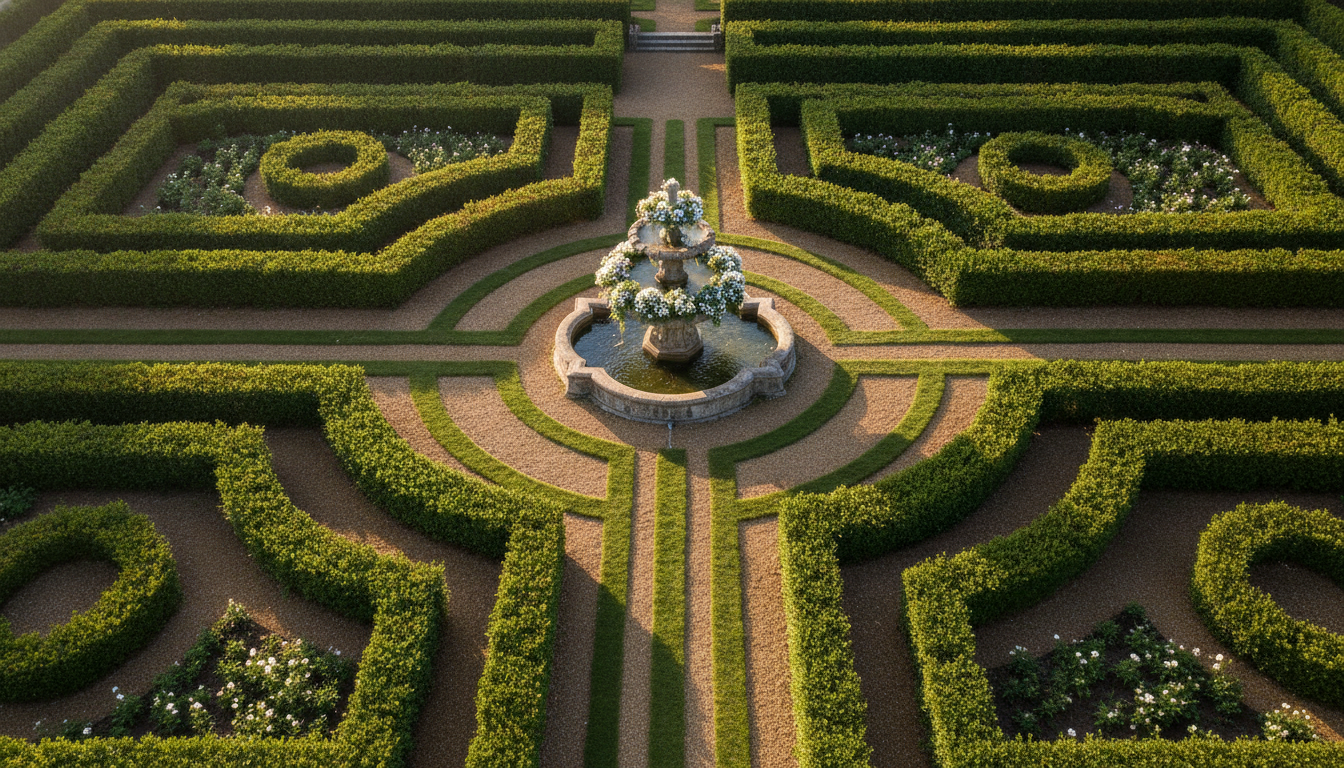
A well-planned garden design layout transforms your outdoor space into an intentional sanctuary. Formal garden design layout emphasizes symmetry, clean lines, and structured plant arrangements that create visual harmony and timeless sophistication. Whether you're redesigning an existing yard or starting fresh, understanding the principles of formal garden composition helps you achieve a space that feels both refined and inviting.
Understanding Formal Garden Layout Principles
Formal garden design draws inspiration from classical garden design traditions where balance and proportion guide every decision. The layout typically centers around a focal point—a fountain, sculpture, or architectural element—with symmetrical plantings radiating outward. This approach creates visual order and allows the eye to move through the space with intention.
Geometric patterns dominate formal layouts. Rectangular beds, circular arbors, and straight pathways establish the garden's framework. This structured approach works particularly well in residential yards where clear sightlines and defined zones enhance both aesthetics and functionality.
Exploring Style Directions for Your Formal Yard
Your formal garden can draw from multiple design traditions. English garden design introduces romantic formality with herbaceous borders and refined plant selections, while Tuscan style brings Mediterranean warmth through terracotta, stone, and cypress-inspired plantings. Zen garden design offers a minimalist formal approach using gravel, stone, and negative space to create contemplative order.
Each style interprets formality differently. English formality emphasizes layered plantings and seasonal interest. Tuscan formality celebrates material richness and sun-soaked stone surfaces. Zen formality strips away ornament to reveal essential structure and balance.
Material & style pairings
| Style | Recommended Materials | Why It Works |
|---|---|---|
| Formal | Grass Pavers, Andesite Stone | Clean geometry and neutral tones reinforce structured symmetry |
| English | Outdoor Planks, Basic Green Trellis | Natural materials and vertical greenery add layered elegance |
| Tuscan | Andesite Stone, Outdoor Planks | Warm stone and timber create authentic Mediterranean character |
| Zen | Grass Pavers, Andesite Stone | Minimal, natural surfaces support meditative spatial clarity |
Ground Surfaces and Hardscaping
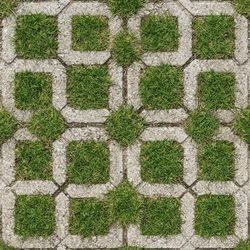
Your choice of ground material anchors the entire formal layout. Grass Pavers offer a practical solution that preserves planting beds while defining pathways with organic softness. This material works beautifully in formal English and Zen gardens where the interplay of planted and paved zones creates visual interest.
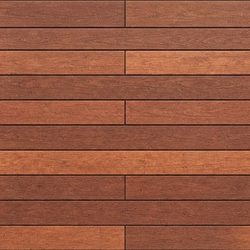
Andesite Stone brings sculptural quality and durability to formal spaces. Its neutral gray tone complements any planting scheme and creates sophisticated visual continuity. Outdoor Planks introduce warmth and texture, particularly valuable in English and Tuscan interpretations where timber contributes historic authenticity.
Vertical Elements and Backdrops
Formal garden layouts rely on vertical structure to define spaces and create enclosure. Basic Green Trellis systems provide framework for climbing plants while maintaining clean architectural lines.
These trellises work particularly well in English and formal gardens, where they support flowering vines or espaliered fruit trees.
Backdrops anchor the composition. Andesite Stone fencing or hedges create solid visual boundaries, while trellis systems offer semi-transparent divisions that maintain sightlines through the garden. This layering of vertical elements is fundamental to creating multi-level outdoor spaces within a formal framework.
Tools for Visualizing Your Formal Garden
Before committing to your design, use digital tools to test your vision. AI room redesign for Garden / Yard lets you preview how style and material combinations transform your space. Floor & wall materials renovation helps you finalize hardscaping choices. If you're planning to add or replace furniture like seating areas or decorative elements, visualizing these additions before purchase ensures coherent composition.
For existing yards with unwanted features, object remover and virtual decluttering tools help you envision simplified, refined spaces that embody formal principles.
Connecting to Broader Design Philosophy
Biophilic design principles—integrating nature into human spaces—align beautifully with formal garden layouts. Structured plantings still provide living greenery, natural fragrances, and seasonal change. Feng shui influences formal design through balance and flow, particularly evident in Zen interpretations of garden layout.
Learn more about formal approaches in Formal Garden Design: Elegance Through Structure, or explore Latest Garden Design Ideas to Refresh Your Outdoor Space.
FAQ
What defines a formal garden design layout?
Formal garden design emphasizes symmetry, geometric patterns, structured planting, and architectural clarity. Layouts center on focal points with balanced, proportional elements that create visual harmony and intentional spatial flow.
Which materials work best for formal garden pathways?
Grass Pavers and Andesite Stone are ideal for formal layouts. Grass Pavers preserve planting opportunities while defining clean lines, while Andesite Stone offers durable, sculptural elegance that complements any style direction.
Can I combine multiple style directions in one formal garden?
Yes. English, Tuscan, and Zen styles all embrace formal principles. The key is maintaining consistent material palettes and geometric clarity. Use material transitions thoughtfully to avoid visual confusion.
Start Designing Your Formal Garden Today
A formal garden design layout requires thoughtful planning but delivers lasting elegance and refined beauty. Whether you envision English herbaceous borders, Tuscan stone terraces, or Zen minimalist clarity, the right materials and proportions create a space that feels intentional, sophisticated, and deeply satisfying. Try it free on vividoo.app—upload a photo of your yard, select your preferred formal style, and explore how different materials transform your outdoor space into a beautifully composed sanctuary.