Creating a cohesive garden design requires careful planning and an understanding of how different styles and materials work together. Whether you're starting from scratch or reimagining an existing garden, formal garden design plans provide a framework for building an outdoor space that feels both intentional and beautiful.
The appeal of formal gardens lies in their structured geometry, symmetrical layouts, and emphasis on order and balance. These designs reflect centuries of classical landscape tradition while remaining timelessly relevant to modern outdoor living.
What Makes Formal Garden Design Plans Special
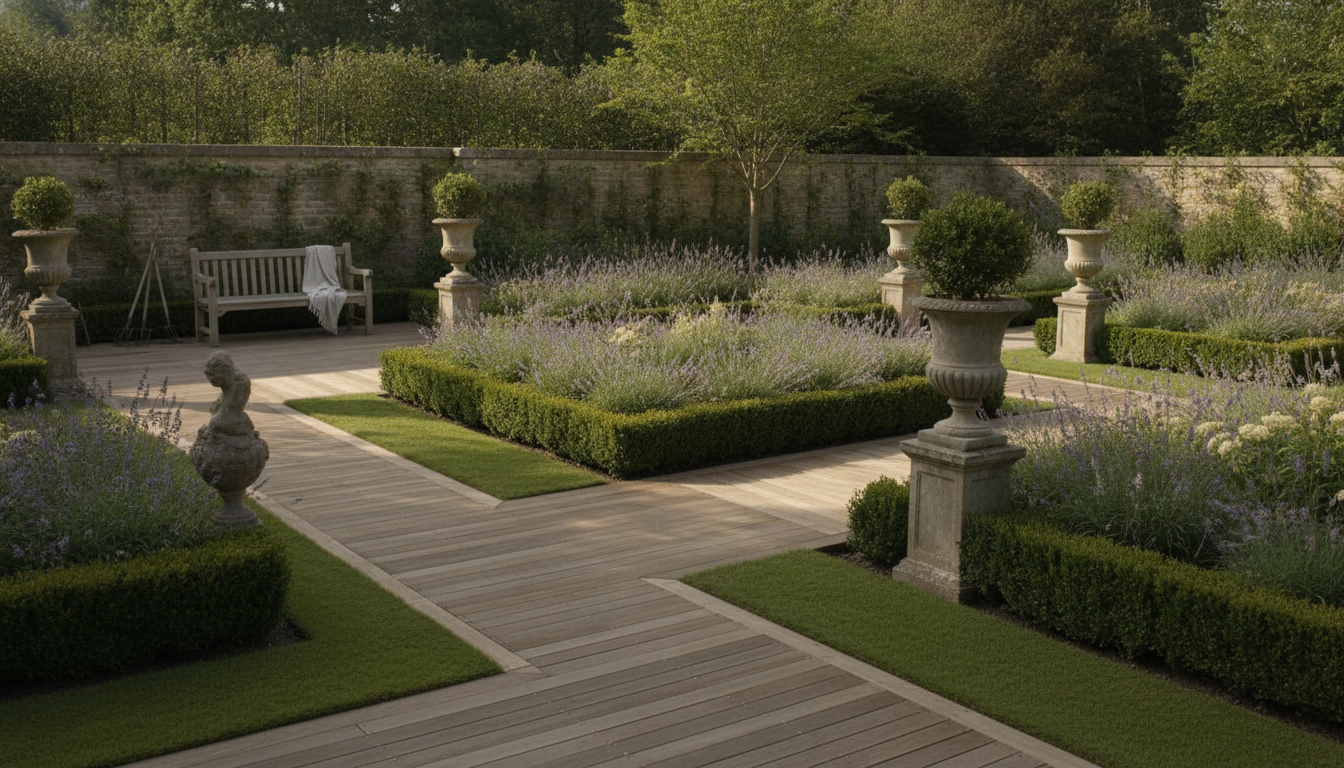
Formal garden design centers on principles of symmetry, clean lines, and deliberate spatial planning. Rather than leaving elements to chance, formal gardens employ geometric patterns, aligned plantings, and carefully positioned focal points to guide the eye and create visual harmony.
AI room redesign tools can help you visualize these principles applied to your specific space. By uploading a photo of your garden and selecting the formal style, you can see how symmetrical layouts, structured plantings, and classic materials transform your yard into a refined outdoor retreat.
Exploring Formal Garden Styles
Formal gardens come in several distinct expressions, each with its own character and cultural roots. Understanding these variations helps you choose the approach that best matches your vision.
Formal style emphasizes strict geometry, balanced proportions, and ornamental precision. Hedges, topiaries, and carefully pruned plantings create visual structure, while pathways and hardscaping define movement through the space. This is the quintessential approach to formal garden design plans.
English gardens blend formal structure with softer, more romantic plantings. While maintaining underlying geometric frameworks, English designs incorporate lush borders, mixed perennials, and a sense of cultivated abundance. This style works well for those who want formality with warmth.
Tuscan design brings Mediterranean elegance to formal gardens. Cypress trees, stone terracing, and warm earth-toned materials create an atmosphere of Italian countryside refinement. This approach suits gardens in warm climates or those seeking rustic sophistication.
Zen gardens apply formal principles through the lens of feng shui and Japanese aesthetics. Carefully raked gravel, strategic stone placement, and minimalist plantings create meditative formal spaces that prioritize calm and balance over ornament.
Material & Style Pairings
| Style | Recommended Materials | Why They Work |
|---|---|---|
| Formal | Teak Decking, Grass Pavers | Teak decking adds warmth and durability to geometric pathways, while grass pavers blend hardscaping with planted areas for structured variety. |
| English | Outdoor Planks, Grass Pavers | Rustic wood planking complements lush borders, and grass pavers create soft transitions between cultivated beds. |
| Tuscan | Teak Decking, Corrugated Steel | Teak's warm honey tones echo Mediterranean stone, while corrugated steel fencing provides industrial-rustic charm when finished with anti-rust metal paint. |
| Zen | Grass Pavers, Corrugated Steel | Grass pavers integrate nature into structured zones, and clean corrugated steel lines create minimalist aesthetic boundaries. |
Key Materials for Formal Garden Design Plans
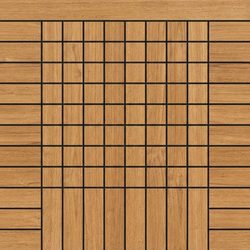
Teak Decking brings natural warmth and longevity to formal garden pathways. Its rich golden tones age gracefully and pair beautifully with classical plantings and stone features.
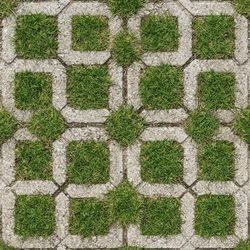
Grass Pavers allow you to maintain planted surfaces while creating defined walkways and gathering areas. They support the formal principle of controlled geometry while keeping your garden green and living.

Corrugated Steel fencing, especially when treated with anti-rust metal paint, provides contemporary formal structure. Its clean lines and industrial character suit modern interpretations of classical garden geometry.
Outdoor Planks offer rustic texture for informal formal gardens, blending natural wood character with structured layouts. They work particularly well for floor and wall materials renovation projects seeking warmth and authenticity.
Visualizing Your Formal Garden Design Plans
The challenge with formal garden design plans is envisioning how different materials and layouts work in your specific space. AI-powered room redesign eliminates guesswork by generating photorealistic renderings of your garden with your chosen style applied.
Beyond style selection, tools like object remover and virtual decluttering help you understand how clearing existing elements transforms your space. You can also use add and replace furniture features to position benches, planters, and ornamental pieces within your formal design.
Building Your Formal Garden Plan
Successful formal garden design plans follow a methodical approach. Start by defining your garden's natural focal points—existing trees, structures, or views that anchor the design. Plan symmetric pathways and planting beds around these anchors, ensuring clear sight lines and balanced proportions.
Select materials that reflect your chosen formal style. A classical formal garden might favour symmetrical hedging with teak decking pathways, while a Tuscan approach incorporates warmer stone and Mediterranean Revival architecture elements.
Consider scale and proportion carefully. Formal gardens rely on visual balance, so oversized planting beds or undersized pathways disrupt the design's intended impact. AI redesign tools allow you to test proportions before committing to construction.
Related Garden Design Inspiration
Formal garden design plans often incorporate multi-level spaces and sophisticated layouts. Explore garden design ideas for creating multi-level outdoor spaces to add dimensional complexity. For broader inspiration, see latest garden design ideas to refresh your outdoor space and formal garden design: elegance through structure.
FAQ
What is the difference between formal and English garden design plans?
Formal gardens prioritize strict symmetry and geometric precision, while English gardens add softer, more abundant plantings within a formal framework. English designs feel more romantic and lived-in while maintaining underlying structure.
Which materials work best for formal garden pathways?
Teak decking and outdoor planks provide elegant, durable pathways that align with formal garden aesthetics. Grass pavers offer a softer alternative when you want to blend hardscaping with planted areas.
Can I apply formal garden design plans to a small space?
Yes. Formal design principles—symmetry, clean lines, and deliberate layout—actually work well in small spaces because they create visual order and make gardens feel intentional. Focus on a single strong focal point and scale plantings and pathways proportionally to your area.
Start Your Formal Garden Design Today
Transforming your outdoor space into a formally designed garden begins with visualization. Upload a photo of your garden, select from our curated styles and materials, and see your formal garden design plans come to life instantly. Try it free on vividoo.app and discover how professional garden design principles can elevate your outdoor living.