Formal garden design represents one of the most refined approaches to garden design, rooted in centuries of tradition and mathematical precision. These principles create outdoor spaces that feel intentional, balanced, and enduringly sophisticated.
Whether you're redesigning an existing garden or starting from scratch, understanding formal garden design principles helps you create a space that feels both grand and intimate, structured yet welcoming.
Core Principles of Formal Garden Design
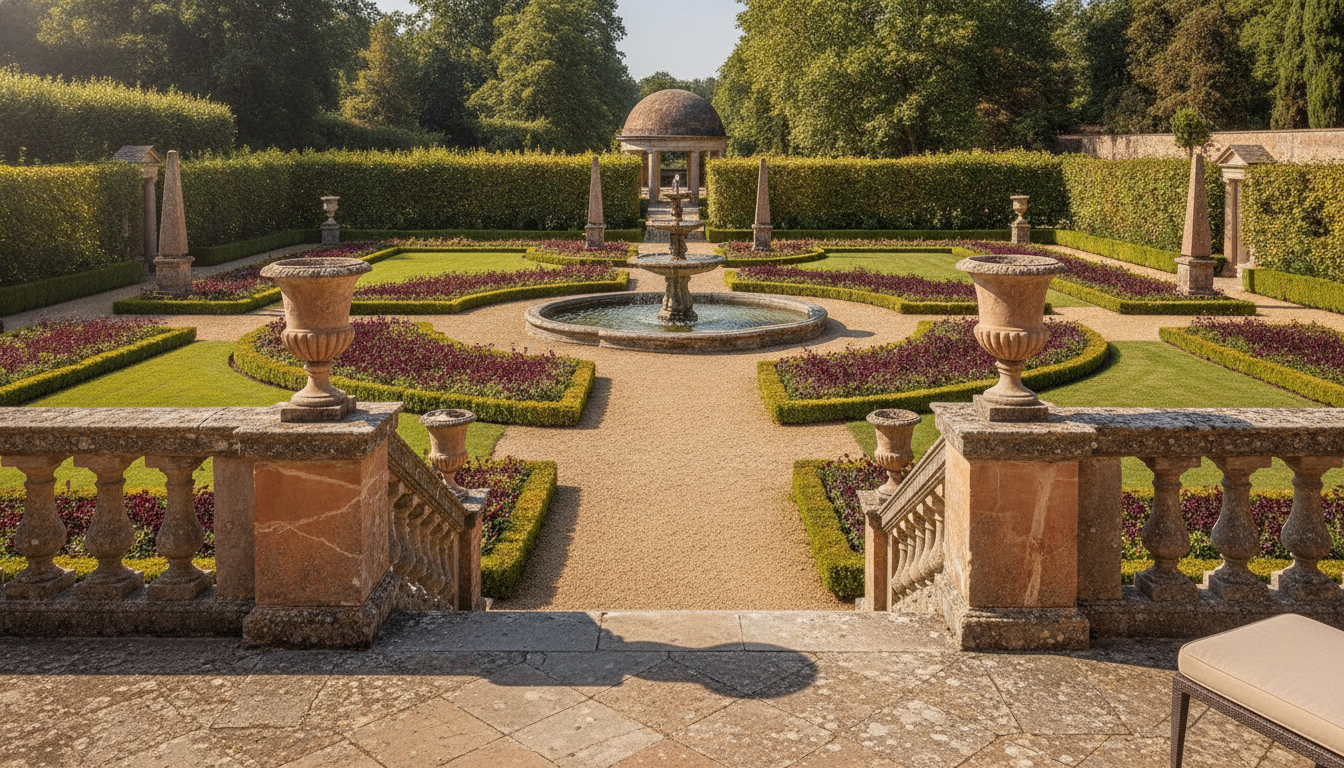
Formal gardens are built on symmetry and balance. The most recognizable feature is axial symmetry—imagine a central line running through your garden, with matching elements on either side. This creates visual harmony and a sense of order that feels inherently elegant.
Landscape design in the formal tradition emphasizes geometric shapes: rectangles, circles, and squares replace organic curves. Pathways typically form straight lines intersecting at right angles, and planting beds are defined by crisp edges and consistent heights.
Proportion and scale matter deeply. Formal gardens divide space using mathematical ratios, ensuring that each element—from a fountain to a hedge row—relates harmoniously to the whole. This disciplined approach prevents overcrowding and maintains visual clarity.
Exploring Formal Style with AI Design
The Formal style in vividoo's garden redesign tool captures these classical principles instantly. Upload your garden photo, select the Formal style, and see how symmetry, structured planting, and refined finishes transform your outdoor space.
Formal gardens benefit from paired features: twin topiary specimens, matching stone urns, or complementary water features. The AI room redesign for Garden / Yard applies these harmonious pairings automatically, showing you how structure elevates everyday yards into curated outdoor rooms.
Beyond Formal: Alternative Style Interpretations
While Formal gardens prioritize order and symmetry, other styles offer sophisticated alternatives. The Japandi style—a blend of Japanese and Scandinavian design—emphasizes minimalism and natural balance rather than strict symmetry. Japandi combines zen restraint with Scandinavian simplicity, creating serene gardens that feel purposeful without rigidity.
Tropical gardens embrace lush abundance while maintaining structure through layering and focal points. Cyberpunk style reinterprets formality through avant-garde materials and dramatic lighting, proving that formal principles adapt to contemporary visions.
Material & Style Pairings
| Style | Recommended Materials | Why They Work |
|---|---|---|
| Formal | Cage Fence, Outdoor Stone Carpet | Clean geometric lines and durable stone surfaces reinforce symmetrical layouts and timeless elegance. |
| Japandi | Vertical Garden, Garden Shed Vinyl Floor | Living greenery and warm vinyl finishes balance minimalism with organic texture and natural warmth. |
| Tropical | Vertical Garden, Vertical Garden Print | Layered greenery and lush backdrops create the dense, abundant atmosphere tropical gardens require. |
| Cyberpunk | Cage Fence, Vertical Garden Print | Industrial geometry and bold visual statements amplify the futuristic edge and dramatic contrast. |
Applying Formal Principles Through Materials
When you're ready to renovate your garden's physical surfaces, materials communicate formal design intent. Floor & wall materials renovation for Garden / Yard lets you explore how different finishes support your design vision.
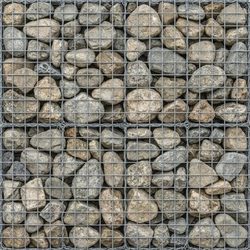
The Cage Fence provides the sharp, geometric boundaries formal gardens demand. It creates crisp sightlines and architectural definition while maintaining visibility into adjacent spaces.
Outdoor Stone Carpet grounds formal gardens with sophisticated, durable surfaces that echo classical stone traditions. Its uniform appearance reinforces the precision formal design requires.

Vertical Garden solutions add living dimension to formal backdrops without sacrificing structure. They layer greenery while maintaining clean sight lines and architectural intent.
Design Tools for Formal Garden Refinement
Once you've visualized your formal garden through AI room redesign, fine-tune specific elements. Add or replace furniture to introduce sculptural benches, structured planters, or water features that anchor formal compositions.
Remove unwanted objects that disrupt formal symmetry, or use virtual decluttering to test minimalist formal arrangements before committing to changes.
FAQ
What is the main principle of formal garden design?
Symmetry and balance are central. Formal gardens mirror elements across a central axis, creating orderly, proportioned spaces that feel intentional and refined.
Can formal garden principles work in small spaces?
Absolutely. Even compact yards benefit from formal structure—a small symmetrical layout with defined pathways and paired plantings feels larger and more purposeful than cluttered randomness.
How do I choose materials that support formal design?
Select materials with geometric precision and uniform appearance—like stone surfaces and structured fencing—that reinforce order and elegance rather than natural irregularity.
Ready to transform your garden with formal design principles? Explore different styles and materials with AI-powered visualization. Try it free on vividoo.app—upload your garden photo, select your preferred approach, and see your outdoor space reimagined in seconds. For detailed inspiration, discover more in our guide on formal garden design layout and formal garden design pictures.