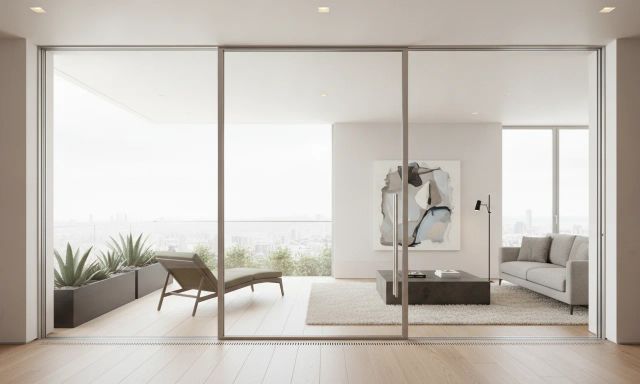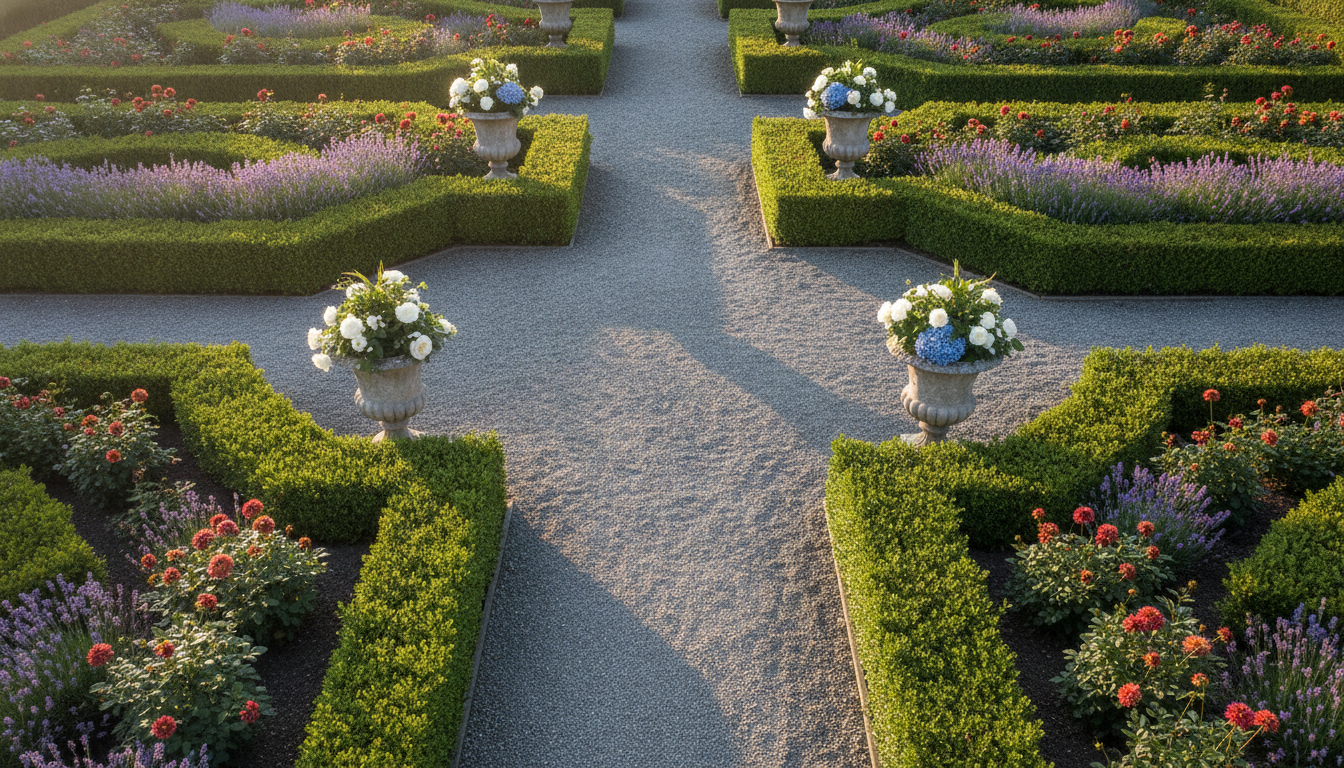
A formal garden design sketch begins with structure and intention. Whether you're planning from scratch or reimagining an existing outdoor space, translating your ideas into a visual design is the first step toward a garden that reflects elegance and order.
Modern AI design tools now let you skip hand-drawn sketches and jump directly to photorealistic renderings. Upload a photo of your garden or yard, select your preferred style, and watch your vision materialize in seconds.
Why Formal Garden Design Matters
Garden design as a discipline emphasizes harmony between function and aesthetics. A formal approach imposes symmetry, clear sightlines, and deliberate material choices—creating spaces that feel intentional and refined.
Formal gardens have been treasured for centuries because they communicate control, sophistication, and care. They're ideal for homeowners who value order, structured entertainment areas, and timeless appeal over naturalistic wildness.
When you work from a sketch—whether pencil on paper or digital visualization—you're establishing a blueprint that guides material selection, hardscape placement, and planting schemes.
Four Garden Styles to Explore
Your garden design sketch should reflect a cohesive style. Here are four distinct approaches available through AI-powered visualization:
- Formal — Geometric precision, symmetrical layouts, classical proportions. Perfect for gardens that prioritize structure and elegance.
- English — Romantic, layered planting, mixed textures, pastoral charm. Ideal for lush, inviting outdoor spaces.
- Tuscan — Mediterranean warmth, earthy tones, rustic materials, sun-drenched atmosphere. Great for creating European-inspired retreats.
- Zen — Minimalist principles, feng shui harmony, contemplative space. Suited for peaceful, meditative gardens.
Each style has distinct material and layout requirements. The right sketch captures these nuances before you invest time and money.
Material & Style Pairings
| Style | Ideal Materials | Why It Works |
|---|---|---|
| Formal | Gray Gravel, Pebble Garden Mosaic | Neutral, structured grounds that frame geometric plantings and focal points with precision. |
| English | Outdoor Planks, Basic Green Trellis | Warm wood pathways and climbing framework create layered, romantic vertical interest. |
| Tuscan | Pebble Garden Mosaic, Hammock Woven Fabric | Earthy mosaic grounds and textile elements evoke Mediterranean courtyards and al fresco living. |
| Zen | Gray Gravel, Basic Green Trellis | Raked gravel and minimalist trellis work create calm, balanced compositions. |
Visualizing Your Formal Garden Sketch
Rather than sketching by hand, use AI room redesign tools to generate photorealistic images of your garden transformed. Upload your current yard photo, select a formal style, and explore how structural elements work in your actual space and light.
This approach eliminates guesswork. You'll see exactly how proportions, materials, and planting density feel before committing resources. Many designers now use this method to test multiple concepts in minutes.

Refining Your Design with Material & Renovation Tools
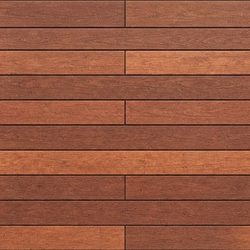
Once you've settled on a style direction through visualization, use material renovation features to test different ground and backdrop finishes. Gray Gravel creates a cool, contemporary frame; Pebble Garden Mosaic adds decorative richness; Outdoor Planks introduce warmth and natural texture.
The Basic Green Trellis works as both functional structure and visual divider, while Hammock Woven Fabric soften hardscapes with organic texture. Test these combinations against your lighting conditions and existing architecture.
Related reading: Formal Garden Design: Elegance Through Structure offers deeper insights into classical proportions and historical influences.
Layering Elements Beyond the Sketch
A strong garden design sketch establishes the foundation, but living gardens require thoughtful layering. Use add/replace furniture tools to experiment with seating, planters, water features, and focal points within your visualized layout.
Consider object removal to clear visual clutter and test clean sight lines. This step clarifies whether your formal structure reads as intended or if adjustments would improve flow.
For existing gardens, virtual decluttering helps you understand which elements support your design vision and which distract from it. Formal gardens especially benefit from restrained, intentional placement.
Inspiration from Related Design Ideas
Garden Design Ideas: Creating Multi-Level Outdoor Spaces shows how formal structure scales beautifully across terrain changes. Latest Garden Design Ideas to Refresh Your Outdoor Space explores contemporary formal aesthetics blended with modern living.
Biophilic design principles—which connect human wellbeing to nature—integrate naturally into formal gardens through strategic plant placement and material warmth despite geometric order.
FAQ
How detailed should a formal garden design sketch be?
Your sketch should capture proportions, symmetry lines, material zones, and key focal points. AI visualization tools don't require hand-drawn precision; a photo plus style selection generates professional renderings that clarify all these elements instantly.
Can I visualize multiple formal garden styles for the same space?
Yes. Upload the same photo and render it in Formal, English, Tuscan, and Zen styles to compare approaches. This comparison method helps you identify which aesthetic resonates with your site and lifestyle.
What's the best ground material for a formal garden design?
Gray Gravel and Pebble Garden Mosaic are both excellent for formal settings. Gray Gravel offers a neutral, minimalist foundation; Pebble Garden Mosaic adds visual interest and decorative richness while maintaining structured appearance.
Start Visualizing Your Formal Garden Today
Stop imagining your garden design sketch—see it in photorealistic detail. Try it free on vividoo.app, upload your yard photo, choose your style, and explore material combinations instantly. Watch your formal garden vision transform from concept to compelling visual reality in seconds.
===END_HTML===