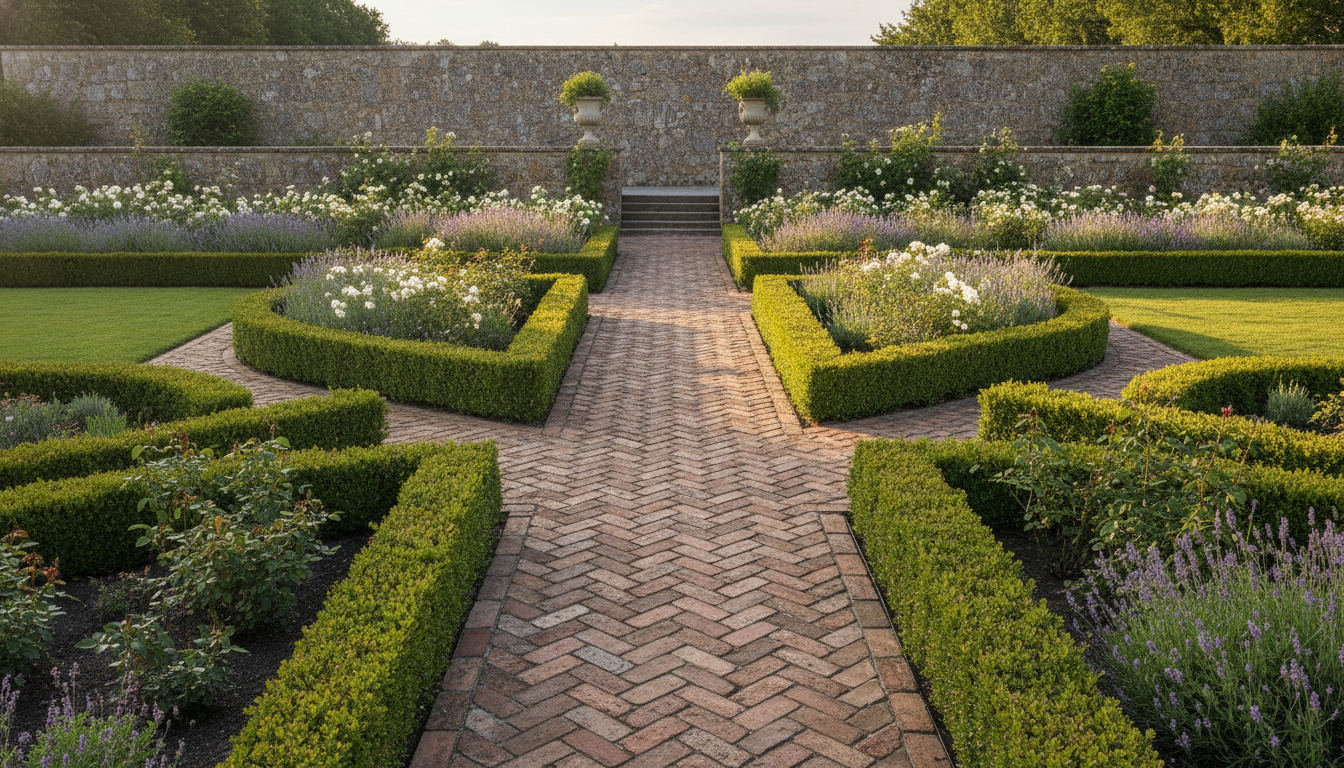
Formal garden design represents the pinnacle of refined outdoor spaces, where geometric precision meets aesthetic beauty. This approach emphasizes symmetry, balance, and carefully planned layouts that transform yards into curated retreats worthy of a design magazine spread.
What Defines Formal Garden Design
Garden design in the formal tradition relies on structured principles: central axes, mirror-image plantings, and geometric pathways. The Formal style prioritizes order and symmetry above all, creating spaces that feel intentional and sophisticated.
Key characteristics include clipped hedges, balanced plant arrangements, focal points like fountains or sculptures, and clearly defined zones. Every element serves both functional and visual purposes within the overall composition.
Exploring Related Garden Styles
While formal design emphasizes strict geometry, complementary styles offer their own refined approaches. The English style blends structure with romantic planting, creating gardens that feel both organized and abundant. The Tuscan style brings Mediterranean warmth to formal principles, incorporating terraces and stone features. For those seeking tranquility, the Zen style applies formal restraint through minimalism and feng shui principles.
Discover which approach resonates with your vision by exploring AI room redesign options for your Garden / Yard.
Material and Style Pairings
| Style | Recommended Materials | Why They Work |
|---|---|---|
| Formal | Herringbone Brick Path, Andesite Stone | Geometric brick patterns echo formal symmetry; stone provides architectural gravitas and durability |
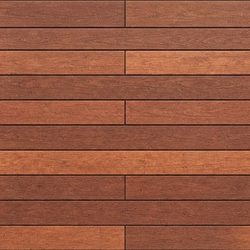
| English | Outdoor Planks, Terrace Accent Mosaic | Warm wood grounds romantic planting; mosaic adds decorative detail without overwhelming structure |
| Tuscan | Terrace Accent Mosaic, Andesite Stone | Mediterranean mosaic and stone create authentic regional character and timeless appeal |
| Zen | Outdoor Planks, Architectural Biophilic Installation | Natural wood and living walls support minimalist philosophy while fostering connection to nature |
Creating Your Formal Garden Layout
Begin by establishing a clear central axis—this imaginary line runs through your garden's heart and anchors all design decisions. Place your most striking features, whether a water fountain or sculpture, on this focal point to draw the eye naturally.
Use floor and wall materials renovation to define spaces with precision. The Herringbone Brick Path creates visual interest while maintaining strict geometry, perfect for main walkways. Andesite Stone works beautifully as backdrop walls or borders, providing structural definition and architectural weight.
- Establish bilateral symmetry in planting arrangements
- Use clipped hedges to define rooms and transitions
- Incorporate hardscaping materials that echo geometric patterns
- Place focal points on central axes for maximum visual impact
- Maintain clear sightlines and uncluttered sight paths
Explore how different materials interact within your space using vividoo's design capabilities before committing to physical changes.
Refining Your Design with Precision Tools
Formal gardens benefit from meticulous curation. Use vividoo's object remover tool to clear visual distractions and test layouts without permanent changes. The virtual decluttering feature helps you evaluate how minimal arrangements enhance the formal aesthetic.
When you're ready to introduce specific elements, the add or replace furniture tool lets you preview benches, planters, and ornaments before purchase. This digital approach eliminates guesswork and costly mistakes.
Materials for Formal Sophistication
Your choice of ground and backdrop materials fundamentally shapes a formal garden's character. The Herringbone Brick Path provides visual movement while maintaining rigid geometry—its interlocking pattern creates rhythm without chaos.
For vertical elements, Andesite Stone delivers patio-style authority as fencing or walls. Its natural texture contrasts beautifully with the precision of formal layout. Consider Terrace Accent Mosaic for accent areas—its decorative potential adds sophistication without compromising structured design.
For gardens embracing biophilic principles within a formal framework, Architectural Biophilic Installation bridges nature and design language, introducing biophilic design without abandoning formal discipline.
FAQ
What is the core principle of formal garden design?
Formal garden design centers on symmetry and geometric order. It emphasizes balanced arrangements around central axes, structured plant placement, and carefully selected materials that reinforce the sense of intentional, refined composition.
Can formal gardens incorporate natural materials like wood?
Yes, Outdoor Planks can be integrated into formal designs when used in structured, symmetrical applications. Lumber materials work best as defined pathways or platforms rather than random accents, maintaining the formal aesthetic's orderly character.
How do formal and Zen styles differ?
While both emphasize order and restraint, formal design focuses on symmetrical geometry and architectural balance, whereas Zen prioritizes simplicity, minimalism, and spiritual harmony. Zen gardens often feature asymmetrical arrangements and natural meditation spaces within structured layouts.
Transform Your Garden Today
Formal garden design offers timeless elegance for homeowners seeking refined outdoor spaces. Whether you're drawn to geometric precision, Mediterranean warmth, or romantic structure, understanding material and style pairings helps you create gardens that endure. Explore how different approaches look in your actual space by visiting try it free on vividoo.app—upload your garden photo, select the Formal style alongside complementary materials, and visualize your transformation instantly. Learn more about creating multi-level outdoor spaces to expand your design possibilities.