A well-designed garden reflects intention and care. Garden design has evolved over centuries, with formal approaches remaining among the most coveted for their balance of structure and beauty. If you're seeking formal garden ideas that elevate your outdoor space, understanding the interplay between style, materials, and landscape design principles is essential.
What Defines Formal Garden Ideas
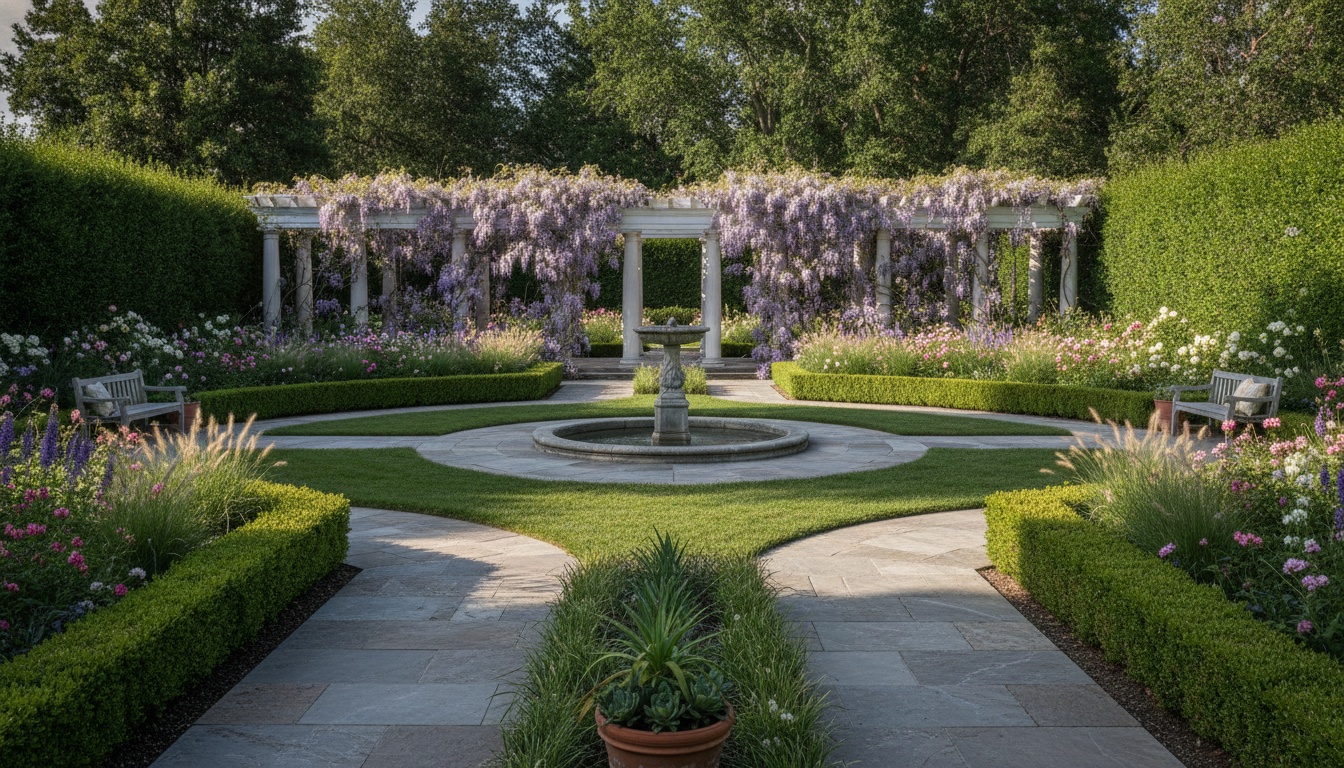
Formal gardens embody symmetry, precision, and deliberate composition. These spaces prioritise clean lines, geometric shapes, and carefully curated plant selections over wild, naturalistic growth. The Formal style emphasises balance—from mirrored planting beds to aligned pathways—creating an atmosphere of elegance and refinement.
Formal garden design works best when every element serves the overall vision. Central focal points, structured vegetation, and refined finishes create spaces that feel both inviting and impressive. The key lies in selecting materials and styles that enhance rather than compete with this controlled aesthetic.
Four Sophisticated Styles for Formal Outdoor Spaces
Your garden's style sets the foundation for all design decisions. Consider these approaches:
- Formal — The purest expression of structured elegance, with symmetrical layouts and manicured plantings that command respect and admiration.
- English — Blends formality with romantic charm, often incorporating classical elements, rose gardens, and refined patio spaces.
- Tuscan — Infuses formal geometry with Mediterranean warmth, using terracotta, stone, and sun-drenched layouts inspired by Italian estates.
- Cottage — A softer take on formality, mixing orderly beds with whimsical plantings and shabby chic character.
Each style brings distinct personality while maintaining the structured principles that define formal garden ideas. Your choice should reflect both your aesthetic preferences and the architecture of your home.
Material & Style Pairings
| Style | Recommended Materials | Why They Work |
|---|---|---|
| Formal | Patio Stone Vinyl, Ornamental Grass Fence | Clean, symmetrical surfaces and structured greenery reinforce formal geometry and timeless elegance. |
| English | Hanging Flower Cascade, Wild Climbing Ivy | Cascading blooms and climbing plants add romantic detail while maintaining defined boundaries and structure. |
| Tuscan | Patio Stone Vinyl, Bark Mulch | Stone pathways evoke Mediterranean terraces; natural mulch grounds planting beds in earthy authenticity. |
| Cottage | Bark Mulch, Hanging Flower Cascade | Soft mulch and abundant blooms create a nurturing, lived-in feel within orderly beds. |
Selecting Materials That Enhance Formal Garden Ideas
Materials are where formal garden ideas become tangible. Flooring and material choices set the tone for the entire space. Patio Stone Vinyl provides durable, elegant pathways that anchor geometric layouts without the maintenance burden of natural stone.

For backdrop elements, an Ornamental Grass Fence creates structured visual rhythm, while Hanging Flower Cascade and Wild Climbing Ivy add layers of sophistication to walls and structures. Bark Mulch grounds planting beds in natural texture, grounding the formality with earthy warmth.
When renovating your garden with new materials, consider how each choice reinforces the geometric and refined qualities that make formal garden ideas so compelling.
Visualising Your Formal Garden Before Building
Before committing to major changes, use AI room redesign tools to preview how different styles and materials transform your space. This approach lets you test formal garden ideas without risk or expense, exploring colour palettes, plant arrangements, and hardscape options in real time.
If your current garden contains elements you want to preserve, object remover tools and virtual decluttering features help you visualise a cleaner canvas. You can also add or replace garden furniture to test layouts before purchasing.
Related Garden Design Inspiration
If you're drawn to formal aesthetics but want to explore related approaches, consider reading about how to transform your outdoor space with rustic garden ideas or exploring rustic garden design ideas that transform your outdoor space. These perspectives often complement formal principles by adding warmth and character.
FAQ
What's the main difference between formal and English garden styles?
Formal gardens prioritise strict symmetry and geometric precision, while English gardens blend structured elements with romantic planting and softer edges. English style often features mixed borders and classical follies within a disciplined framework.
Can I use formal garden ideas in a small yard?
Absolutely. Formal principles—symmetry, defined pathways, structured planting—actually work beautifully in smaller spaces, creating a sense of order and intentionality that makes limited square footage feel purposeful and elegant.
How do I maintain a formal garden design?
Regular pruning, edging, and seasonal planting are essential. Choose low-maintenance materials like Patio Stone Vinyl and durable groundcover to reduce upkeep while preserving the refined appearance that defines formal garden ideas.
Ready to transform your outdoor space into a formal garden that reflects your refined taste? Try it free on vividoo.app and explore how different formal garden ideas look in your actual yard before making any decisions.