The ideal size for a formal dining room depends on how you plan to use it and how many guests you typically entertain. A formal dining room traditionally requires enough space for a substantial table, comfortable seating around it, and room to move freely without feeling cramped. Most design professionals recommend a minimum of 12 by 14 feet, though 14 by 18 feet provides more flexibility and elegance.
Beyond square footage, your formal dining room's success depends on thoughtful design choices. The right style and materials can make even a modest space feel grand, while poor selections can make a larger room feel disconnected. With AI room redesign tools, you can experiment with different aesthetics before committing to any changes.
Minimum and Maximum Dimensions
A formal dining room smaller than 10 by 12 feet becomes difficult to furnish and navigate. At this size, you can accommodate a small table for four to six people, but movement around the table is restricted.
The recommended minimum of 12 by 14 feet allows for a table that seats six to eight, with about 36 inches of walking space on all sides.
For larger gatherings, 14 by 18 feet or beyond provides room for a table seating ten or more guests, plus a sideboard or serving area. There's no maximum size, though very large rooms (over 20 by 20 feet) risk feeling empty without proper furniture arrangement and design layering.
The key is balancing table size, seating capacity, and visual comfort.
Furniture and Layout Considerations
Your table size dramatically affects the room dimensions you need. A round table 48 inches in diameter needs at least 60 inches of clearance from the table edge to the wall.
A rectangular table 36 by 72 inches (seating eight) requires 10 by 14 feet minimum to avoid a cramped feel.
- Four-person tables: 8 by 10 feet minimum
- Six-person tables: 10 by 12 feet minimum
- Eight-person tables: 12 by 14 feet minimum
- Ten-person tables: 14 by 16 feet minimum
Beyond the table, consider sideboards, china cabinets, and serving areas. These elements add visual interest and functionality but require additional wall space. With add or replace furniture tools, you can test different configurations virtually before rearranging.
Style Choices for Every Space Size
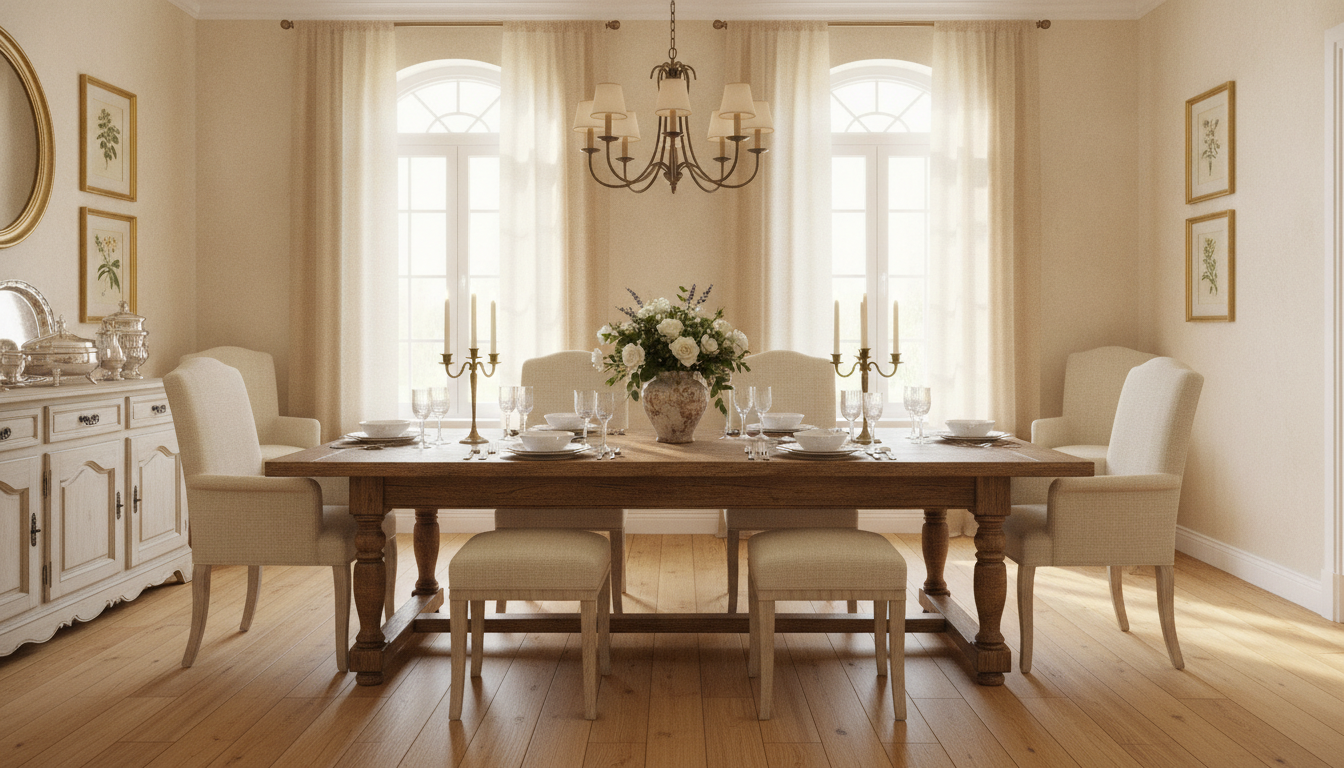
Different design styles work better in different room sizes. The Provence style brings romantic French countryside elegance through soft colors, ornate details, and natural materials. This style works beautifully in medium-sized formal rooms where its decorative elements can shine without overwhelming.
For modern spaces, Deconstructivism embraces angular forms and bold contrasts, making it ideal for larger rooms where architectural drama needs breathing room. The Colonial style emphasizes symmetry and traditional craftsmanship, suiting formal rooms of any size with its timeless appeal and structured geometry.
The Golden Hour style captures warm, golden light and creates intimate sophistication in medium to large spaces. This approach works particularly well in rooms with good natural light and translates to formal entertaining elegantly.
Material & Style Pairings
| Style | Recommended Materials | Why They Work |
|---|---|---|
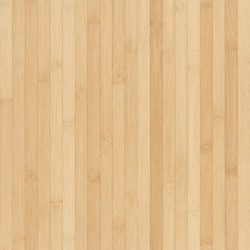
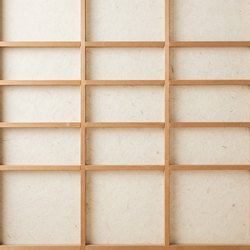
| Provence | Blonde Bamboo (floor), Shoji Paper (wall) | Natural textures and warm tones enhance the romantic, rustic elegance of this French style |
| Deconstructivism | Stacked Bond Brick (wall), Wide Plank Vinyl (floor) | Bold architectural materials emphasize geometric contrast and modern edge |
| Colonial | Blonde Bamboo (floor), Stacked Bond Brick (wall) | Traditional lumber and brick materials ground the historical authenticity of colonial design |
| Golden Hour | Blonde Bamboo (floor), Shoji Paper (wall) | Warm natural finishes amplify the cozy, luminous quality of this aesthetic |
Flooring and Wall Decisions for Formal Spaces
Your choice of floor and wall materials significantly impacts how formal your dining room feels. Bamboo flooring like Blonde Bamboo brings warmth and sophistication while remaining practical for formal entertaining. Vinyl options like Wide Plank Vinyl offer durability and ease of maintenance without sacrificing style.
Wall materials set the tone for formality. Stacked Bond Brick adds texture and architectural interest, while Shoji Paper creates refined elegance with its natural fiber composition. These material choices work across room sizes to enhance the formal aesthetic.
Making the Most of Your Space
Once you've determined your room size and chosen a style direction, tools like virtual decluttering and object removal help you visualize a clean, formal aesthetic. If you're starting from scratch, the empty room generator creates a blank canvas for your formal dining vision.
Remember that formal doesn't mean stuffy. Modern formal dining rooms blend traditional proportions with contemporary comfort. Whether you prefer the romance of Provence or the structured elegance of Colonial design, your room's dimensions should support your chosen aesthetic.
Explore related ideas in our guides on wood dining table design ideas and modern farmhouse dining room decorating ideas.
FAQ
What's the minimum size for a formal dining room?
A formal dining room should be at least 12 by 14 feet to comfortably accommodate a table seating six to eight people with adequate walking space around it. Rooms smaller than this become impractical for formal entertaining.
How do I make a small formal dining room feel larger?
Use light colors, strategic lighting, and minimal clutter to visually expand the space. Styles like Golden Hour and Provence use warm, open aesthetics that prevent small rooms from feeling confined. Virtual decluttering shows exactly how much space you can open up.
Can I use casual styles in a formal dining room?
Absolutely. Formal refers to room function and size more than style. Contemporary or casual styles can work in formally-sized rooms. Use AI room redesign to test how different aesthetics feel in your specific space.
Transform Your Formal Dining Room Today
Whether you're working with an intimate 12 by 14 space or a grand entertaining room, the right design choices amplify its potential. Experiment with Provence, Deconstructivism, Colonial, and Golden Hour styles alongside flooring options like Blonde Bamboo and Wall materials like Stacked Bond Brick. Try it free on vividoo.app to see your formal dining room redesigned with AI-powered precision before making any decisions.