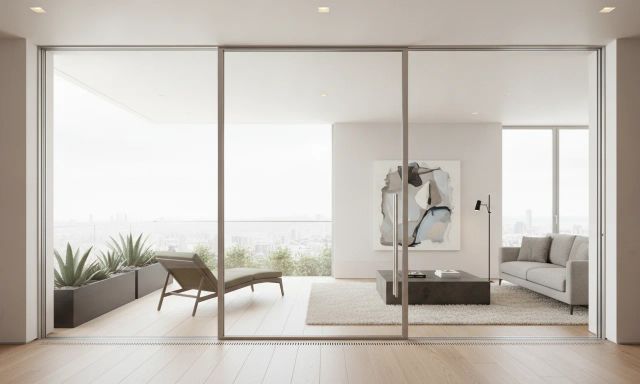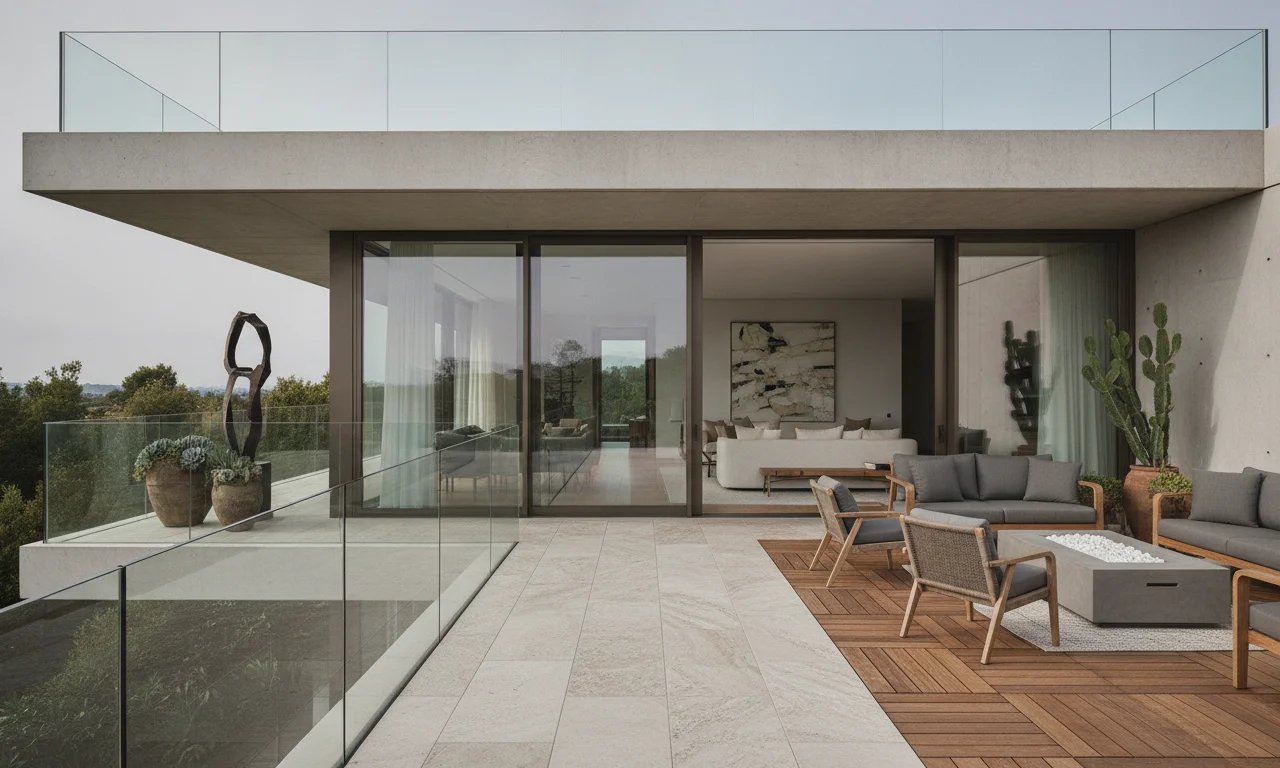
A concrete balcony is an investment in your home's durability and outdoor living experience. Building one that withstands weather, time, and daily use requires understanding concrete as a material, selecting appropriate finishes, and planning a design that complements your home's aesthetic.
This guide walks you through the essentials of concrete balcony construction, material choices, and styling options to create an outdoor space you'll love for years.
Understanding Concrete for Balconies
Concrete is the backbone of durable balconies. It's strong, weather-resistant, and can be finished in numerous ways to suit any design preference. When building a balcony, you're deciding not just on structural concrete, but also on the surface finish that will be visible and touched daily.
The two primary concrete finish options are Outdoor Microcement and Aggregate Concrete. Each offers distinct benefits for longevity, maintenance, and appearance.
Concrete Finish Options
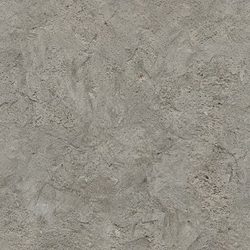
Outdoor Microcement is a thin, contemporary coating that creates a smooth, seamless surface. It's ideal if you want a modern, minimalist look with low maintenance requirements. This finish bonds securely to underlying concrete and resists cracking better than traditional concrete surfaces.
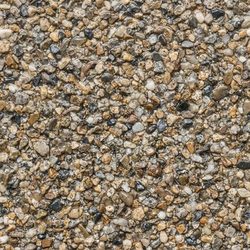
Aggregate Concrete exposes pebbles and stones within the concrete, offering a textured, earthy aesthetic. It's slip-resistant, naturally beautiful, and requires similar maintenance to standard concrete. This finish pairs well with natural and organic design directions.
Both options should include proper drainage sloping, waterproofing membranes, and reinforcement to prevent cracking and water damage over time.
Enclosure and Backdrop Materials
Once your concrete base is set, consider the vertical elements. Railings and backdrop surfaces protect your balcony and define its character. Options include Aluminum Slats for a sleek, industrial look; Cedar Planks for warmth and natural appeal; or Willow Hurdle for a rustic, organic boundary.
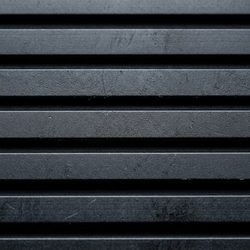
Aluminum Slats are low-maintenance and modern, while lumber options like Cedar Planks and Willow Hurdle add warmth and natural texture. Choose based on your climate, maintenance capacity, and overall design vision.
Material & Style Pairings
| Style | Recommended Materials | Why It Works |
|---|---|---|
| Lounge | Outdoor Microcement + Willow Hurdle | Smooth flooring and natural fencing create a cohesive relaxation zone with minimal visual clutter |
| Moroccan | Aggregate Concrete + Cedar Planks | Textured concrete echoes earthy Moroccan architecture, while cedar provides warm, rustic framing |
| Biophilic | Aggregate Concrete + Cedar Planks | Biophilic design thrives with natural textures; both materials invite plants and natural elements |
| Urban | Outdoor Microcement + Aluminum Slats | Contemporary finishes and industrial materials define a sleek, city-inspired aesthetic |
Design Styles for Your Concrete Balcony
Once your concrete and enclosure are complete, design style transforms a functional space into a retreat. The Lounge style emphasizes comfort with cushioned seating and soft textures. The Moroccan style introduces rich colors, geometric patterns, and artisanal touches. The Biophilic approach prioritizes plants, natural light, and organic forms. The Urban style celebrates minimalism, clean lines, and industrial elements.
Use AI room redesign for balconies to visualize how each style works with your concrete base. See furniture placement, color schemes, and material combinations before making purchasing decisions.
Visualizing Your Design Before Building
Before finalizing your concrete balcony construction, visualize the finished space. Floor and wall materials renovation tools let you test different concrete finishes, railing styles, and color schemes. This prevents costly mistakes and ensures your design aligns with your vision.
Beyond the structural phase, tools like adding and replacing furniture, object removal, and virtual decluttering help you plan the full experience of your balcony once it's built.
Related Design Inspiration
Explore more balcony design ideas with these guides: Transform Your Balcony With Modern Design Styles, Balcony Wall Tiles Design Ideas for Every Aesthetic, and Balcony Tiles Design Ideas for Every Style.
FAQ
How long does a concrete balcony last?
A well-built concrete balcony with proper reinforcement, waterproofing, and maintenance can last 30–50 years or more. Quality finishes like Outdoor Microcement extend durability and reduce cracking.
Should I use Outdoor Microcement or Aggregate Concrete?
Choose Outdoor Microcement for a sleek, low-maintenance modern look. Choose Aggregate Concrete for a natural, textured appearance with excellent slip resistance. Both are durable; the choice depends on your design style and maintenance preferences.
What slope should my concrete balcony have for drainage?
A minimum 1–2% slope (about 1/8 inch per foot) ensures water drains away and prevents pooling. Proper drainage is essential to prevent cracking, mold, and structural damage over time.
Ready to design your concrete balcony? Try it free on vividoo.app. Upload a photo of your balcony, select a style and materials, and see your design transformed in seconds. Plan with confidence and build a space that's both beautiful and built to last.