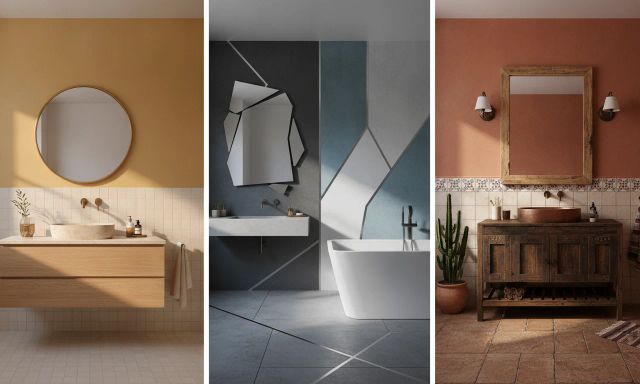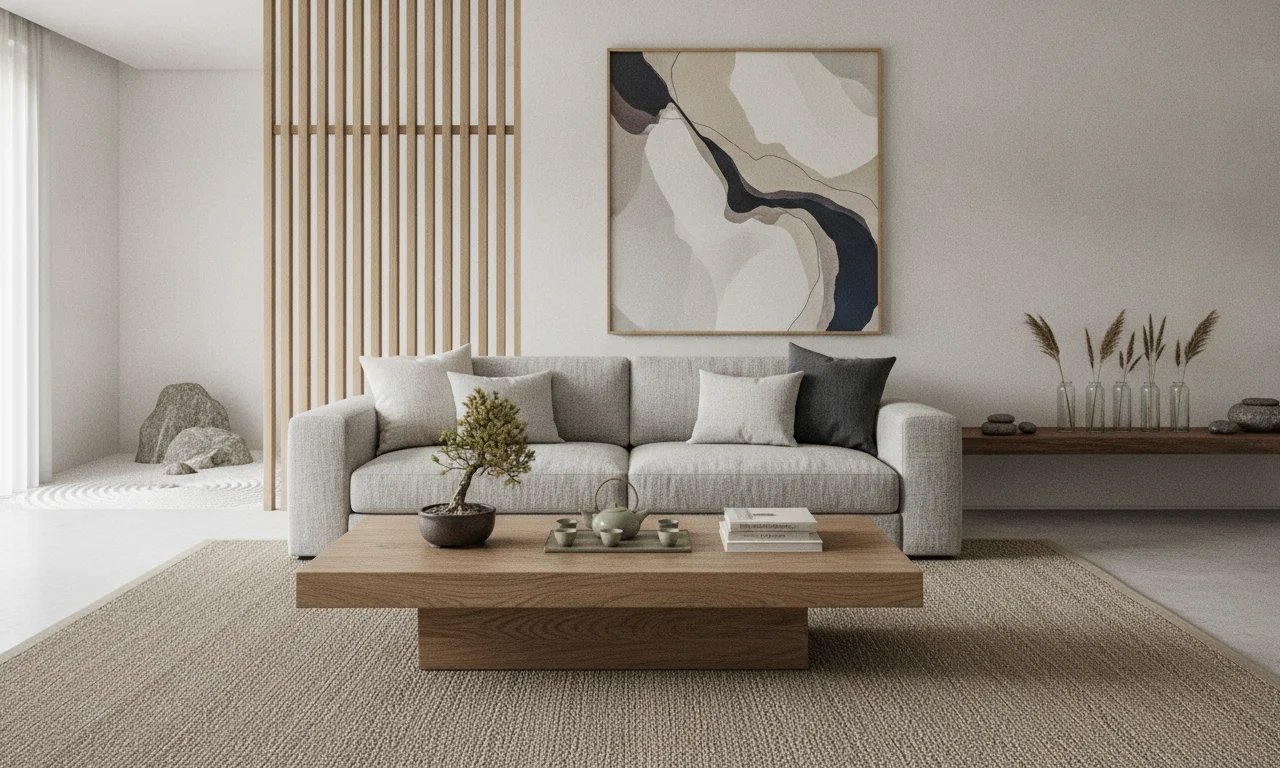
Your living room should be a retreat from the chaos of daily life. Zen room decor ideas focus on creating balance, simplicity, and tranquility through thoughtful design choices that prioritize both form and function. Whether you're starting from scratch or refining an existing space, understanding the principles of zen design transforms how you experience your living room.
Understanding Zen Design Philosophy
Zen design draws inspiration from Japanese aesthetics and Buddhist principles, emphasizing minimalism, natural materials, and purposeful emptiness. The goal is not to strip your space bare, but to remove visual clutter and focus on quality over quantity. Every element in a zen living room should serve a purpose and contribute to a sense of calm.
Key principles include open floor plans, neutral color palettes, natural light, and an emphasis on nature through plants, stone, and wood. This approach encourages mindfulness and creates a space where you can truly relax and reflect.
Core Elements of Zen Living Room Decor
Creating zen room decor starts with decluttering. Virtual decluttering tools help you visualize a minimalist space before committing to change. Remove unnecessary furniture, knickknacks, and visual distractions that compete for attention.
- Minimal furniture with clean lines and natural wood finishes
- Neutral color schemes: whites, beiges, grays, and soft greens
- Abundant natural light with sheer curtains or paper screens
- Living plants and natural materials throughout
- Open floor space that feels airy and spacious
- Soft, indirect lighting for evening ambiance
When you're ready to redesign, AI room redesign tools let you experiment with zen aesthetics before making physical changes. You can test furniture placement, color schemes, and material combinations instantly.
Beyond Zen: Exploring Complementary Styles
While zen design is perfect for peaceful living rooms, other styles offer similar qualities with different aesthetics. Provence design brings a soft, rustic elegance inspired by the French countryside, emphasizing natural materials and muted colors. Shabby chic embraces vintage charm and comfortable wear, creating an inviting atmosphere through layered textures and upholstery. For a more sophisticated approach, Deco style offers geometric lines and luxurious materials while maintaining visual balance.
Each style can incorporate zen principles—the key is choosing design elements that resonate with your personal vision.
Material & Style Pairings
| Style | Recommended Materials | Why It Works |
|---|---|---|
| Zen | Ceppo Stone, Velvet Gray | Ceppo Stone's natural, muted surface creates organic grounding; Velvet Gray soft textile adds tactile warmth while maintaining minimalist aesthetics |
| Provence | Glazed Brick, Chevron Pattern Vinyl | Glazed Brick evokes rustic European charm; Chevron adds subtle geometric interest without overwhelming the pastoral elegance |
| Shabby | Velvet Gray, Glazed Brick | Velvet Gray's soft tone complements vintage comfort; Glazed Brick's weathered appearance reinforces lived-in character |
| Deco | Chevron Pattern Vinyl, Wired Safety Glass | Chevron's bold geometry defines Deco's structured lines; Wired Safety Glass adds sophisticated industrial elements |
Flooring and Wall Materials for Zen Living Rooms
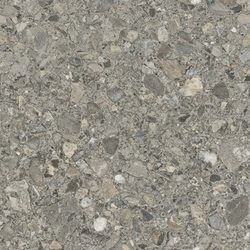
Material selection is crucial for zen room aesthetics. Floor and wall material renovations anchor your design vision. Ceppo Stone flooring, with its natural texture and neutral tone, creates a grounding foundation that feels connected to nature. Its subtle surface variation provides visual interest without distraction.
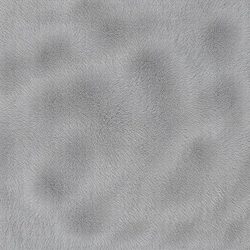
Velvet Gray textiles soften the space and invite tactile comfort, essential for creating an environment where you want to spend time. For walls, Glazed Brick offers warmth and authenticity, while Wired Safety Glass can serve as a subtle room divider that maintains open sightlines.
If you prefer a less traditional approach, Chevron Pattern Vinyl adds geometric structure without compromising the calm atmosphere, as long as the color palette remains neutral or muted.
Furniture and Accessories Strategy
Adding or replacing furniture allows you to curate pieces that embody zen principles. Choose low-profile seating, natural wood tables, and storage solutions that hide away everyday items. Incorporate soft furnishings through linen, cotton, and wool rather than synthetic materials.
Accessorize sparingly: a single piece of art, potted bamboo, smooth river stones, or a water feature creates focal points without clutter.
Removing Distracting Elements
Sometimes the fastest path to zen room decor is elimination. Object removal tools digitally erase unwanted items, cables, or eyesores so you can visualize your space at its most serene. This helps identify what truly contributes to calm and what simply takes up visual real estate.
Creating an Empty Room Foundation
If you're starting with a completely new vision, an empty room generator gives you a blank canvas to build upon. This approach prevents decision paralysis and allows you to intentionally add only the elements that serve your zen aesthetic.
Related Design Inspiration
Explore zen decor ideas that transform your living room for deeper styling techniques. You might also appreciate how tropical living room design creates peaceful sanctuaries, or discover how tropical design principles overlap with zen aesthetics.
FAQ
What is the main difference between zen and other minimalist styles?
Zen design specifically incorporates Japanese and Buddhist philosophy, emphasizing balance, nature connection, and purposeful emptiness. While other minimalist styles focus on clean lines and functionality, zen adds a spiritual and meditative dimension to the space.
Can I mix zen design with other styles like shabby chic?
Yes, blending styles is possible if you maintain core zen principles: limit your color palette, reduce clutter, and prioritize natural materials. Shabby elements can work if they're intentional and don't create visual chaos.
What materials work best for zen flooring?
Natural materials like stone, light wood, and high-quality textiles are ideal. Ceppo Stone and Velvet Gray are excellent choices because they're durable, visually calm, and reinforce the connection to nature central to zen design.
Ready to transform your living room into a zen sanctuary? Try it free on vividoo.app—upload a photo of your space, select the Zen style, choose your preferred materials, and instantly see your redesigned living room. Experiment with different aesthetics before you commit, and create the peaceful retreat you deserve.