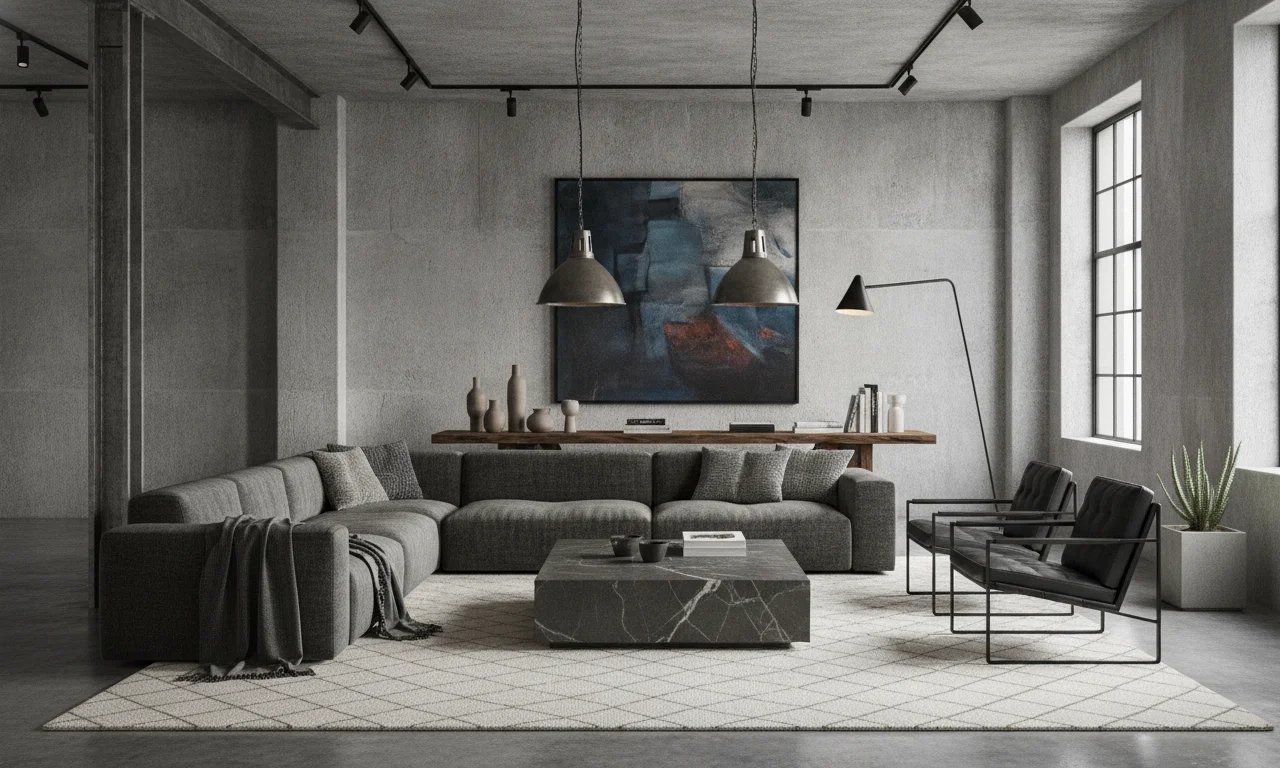
A brutalist style loft living room embodies raw honesty, geometric precision, and uncompromising materials. This design philosophy celebrates concrete, steel, and glass—stripped of ornament and maximized for impact. If you're drawn to bold, authentic spaces that reject trends, brutalism offers a timeless framework for creating a living room that feels both gallery-like and deeply livable.
What Defines Brutalist Style Loft Living Rooms
Brutalism prioritizes function, structure, and material truth. In a living room context, this means celebrating architectural bones, exposing what others hide, and using furnishings as sculptural statements rather than decorative accessories.
Key principles include monochromatic or deeply neutral palettes, emphasis on texture and materiality, geometric forms, and a deliberate rejection of unnecessary decoration. Industrial elements like exposed beams, visible conduit, and raw finishes align perfectly with brutalist ideology, making loft conversions ideal canvases for this aesthetic.
Essential Materials for Brutalist Loft Design
Your material choices are non-negotiable in brutalism—they're the primary design language. Concrete, metal, glass, and stone form the foundation of authentic brutalist interiors.
- Metal Panel wall treatments introduce industrial precision and reflect light dynamically across the room.
- Acid Etched Glass provides transparency with subtle texture, creating visual interest without breaking the material hierarchy.
- Nero Marquina stone flooring anchors the space with deep, sophisticated materiality that feels permanent and timeless.
- Acoustic Felt Textile wall surfaces soften acoustics while maintaining visual restraint and tactile interest.
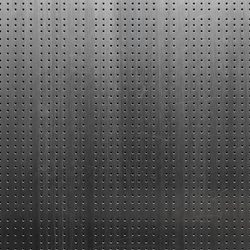
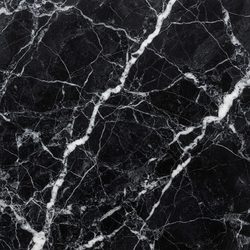
For floor and wall material renovation, prioritize durability and authentic patina over pristine finishes. Brutalism ages beautifully—scratches and weathering enhance rather than diminish the aesthetic.
Material & Style Pairings
| Style | Materials | Why It Works |
|---|---|---|
| Brutalism | Metal Panel, Nero Marquina | Raw metal and deep stone create monolithic, sculptural impact with authentic industrial materiality. |
| Maximalism | Acid Etched Glass, Acoustic Felt Textile | Textured surfaces support layered visual interest and bold material combinations without contradicting brutalist roots. |
| Chalet | Cork Plank | Natural cork warmth humanizes brutalist severity while maintaining organic authenticity. |
Furniture & Spatial Planning
Brutalist interiors demand sculptural furniture—think Le Corbusier, Eames, or Wegner pieces with geometric forms and minimal upholstery. Scale your seating to architectural proportions; oversized single chairs or low-profile sectionals work better than conventional suites.
Add or replace furniture thoughtfully, ensuring each piece earns its space. Negative space is as important as filled space. Consider a floor lamp with a metal tripod, a glass coffee table, or a concrete side table that echoes your wall and floor choices.
Tools to Visualize Your Brutalist Loft
Before committing to major renovations or purchases, visualize the full picture. Use AI room redesign for Living Room to test brutalism on your actual space. If your existing room feels cluttered, start with virtual decluttering to strip back to architectural essentials.
For stubborn furniture or decor you're unsure about, the object remover for Living Room lets you test negative space. Alternatively, the empty room generator gives you a blank canvas to reimagine from zero.
Beyond Brutalism: Complementary Aesthetics
Poolside Resort style might seem opposed to brutalism, but both celebrate materiality and openness—consider hybrid approaches with concrete, metal, and glass in lighter, more livable contexts.
If you want texture and depth, Maximalism can layer onto brutalist bones—stacked art, varied textures, and bold accents on a neutral brutalist foundation create dynamic, personal spaces.
For warmer minimalism, Chalet style introduces wood elements and coziness while respecting brutalist principles of honesty and reduced ornament.
FAQ
Can I achieve brutalist style on a budget?
Yes. Focus on exposed structural elements already in your loft, paint walls neutral or charcoal, use affordable raw materials like concrete pavers or polished concrete, and invest in one or two statement furniture pieces. Skip expensive finishes and embrace weathered, authentic surfaces.
How do I keep a brutalist loft from feeling cold?
Layer warm lighting (track lights or pendant fixtures with metal shades), add one or two warm-toned textiles (a linen throw, a jute rug), use living room plants for organic softness, and ensure furniture is comfortable and inviting. Brutalism needn't feel hostile—it's about honest, stripped-back beauty.
What's the difference between brutalist and industrial style?
Brutalism is a design philosophy centered on exposed structure and sculptural form; industrial is an aesthetic inspired by factory and warehouse environments. Brutalist lofts are often industrial spaces, but brutalism is more intentional and refined—industrial can include more visible machinery and working-class elements.
Start Designing Your Brutalist Living Room Today
A brutalist style loft living room rewards bold choices and material honesty. Whether you're renovating raw concrete walls, selecting nero marquina flooring, or curating furniture, every decision should reinforce the uncompromising integrity that defines this timeless aesthetic. Try it free on vividoo.app to upload your space, select Brutalism for your living room, and see your loft transformed into a gallery-worthy sanctuary of raw beauty.