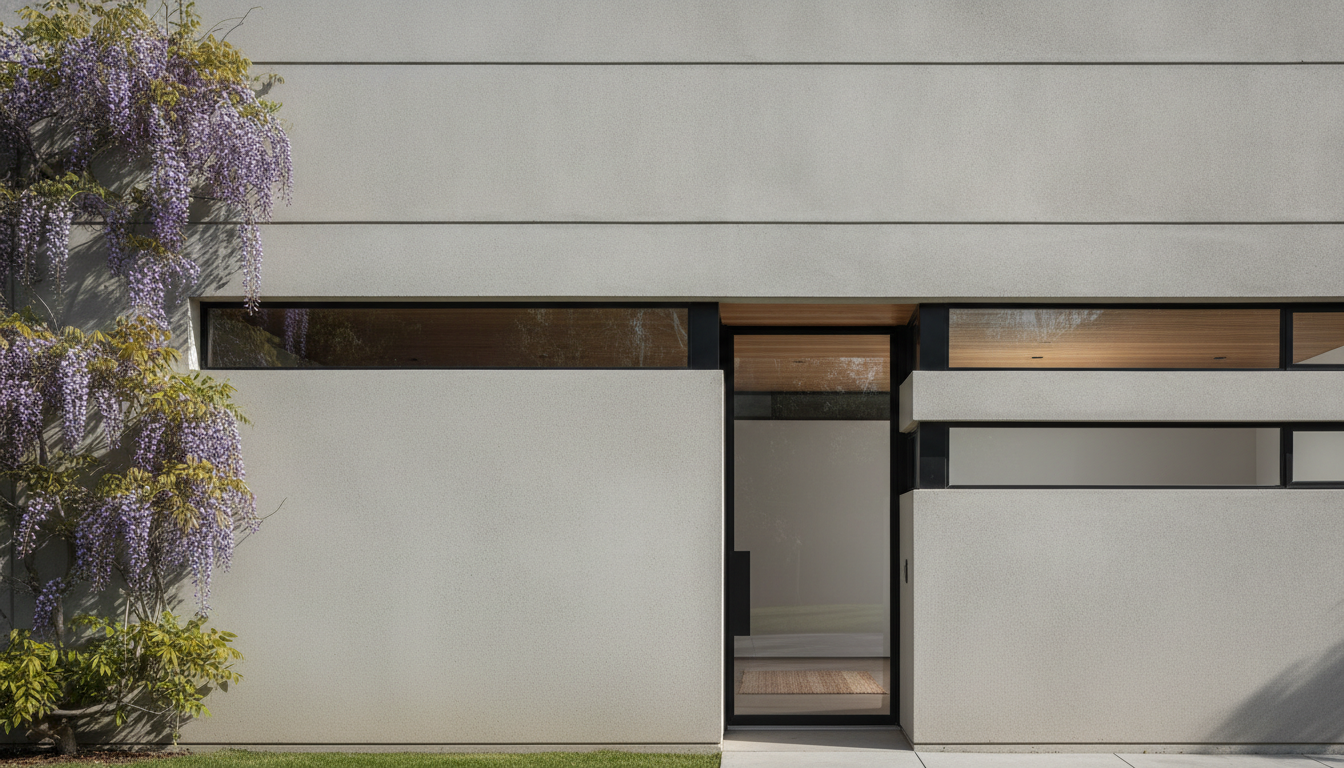
Your home's exterior is the first impression visitors receive. A minimalist exterior approach strips away unnecessary ornamentation, leaving only what matters: clean lines, purposeful materials, and timeless design. This philosophy transforms facades from busy or dated into serene and sophisticated.
Unlike trend-driven aesthetics, minimalism prioritizes function and beauty through restraint. The result is a home that ages gracefully and feels intentional at every angle.
Core Principles of Minimalist Exterior Design
Minimalist exteriors rely on three foundational ideas: simplicity, functionality, and honest material expression. Every element—from the façade color to the door hardware—serves a visual or practical purpose.
- Eliminate decorative trim, oversized shutters, and ornamental details
- Choose a restrained color palette: whites, grays, blacks, or earth tones
- Prioritize high-quality materials that age beautifully
- Embrace negative space and uncluttered sightlines
- Keep landscaping structured and minimal
This restraint creates visual calm and allows quality materials to become the focal point.
Beyond Minimalist: Exploring Other Exterior Styles
While minimalist design dominates contemporary exteriors, other styles offer distinct character. Tudor exteriors feature textured facades and pitched roofs with architectural warmth. Monumental design embraces bold proportions and stately presence. Cycladic architecture brings whitewashed simplicity and Mediterranean charm.
Each style appeals to different sensibilities. Minimalist works for those seeking understated elegance; Tudor suits lovers of historic character; Monumental appeals to those wanting architectural presence; Cycladic attracts Mediterranean or island aesthetic devotees. Explore all styles with AI room redesign to visualize how each transforms your home.
Material & Style Pairings
| Style | Recommended Materials | Why It Works |
|---|---|---|
| Minimalist | Smooth Architectural Concrete, Window Sills | Concrete's clean texture and neutrality embody minimalist restraint; window sills provide necessary architectural framing without ornamentation |
| Tudor | Reed Thatch, Wall Inlay | Thatch roofing delivers authentic historic character; wall inlay adds textured detail consistent with traditional craftsmanship |
| Monumental | Smooth Architectural Concrete, Wall Inlay | Concrete creates imposing surfaces; wall inlay adds architectural interest to large facades |
| Cycladic | Climbing Wisteria, Window Sills | Wisteria's organic growth softens whitewashed walls; crisp window sills maintain Mediterranean geometric clarity |
Key Materials for Minimalist Exteriors
Floor and wall material renovation transforms facade character. Smooth Architectural Concrete is the material of choice for minimalist homes, offering refined texture without pattern or ornamentation.
Window Sills provide subtle architectural definition, framing openings with clean precision. For homes seeking organic softness within minimalism, Climbing Wisteria introduces living greenery without chaos—vines can be trained and pruned to maintain geometric order.
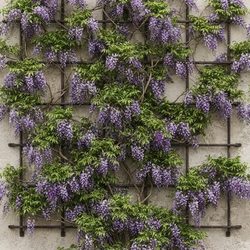
Concrete's industrial heritage aligns perfectly with minimalist principles. Its neutral gray tone absorbs light subtly, creating depth through shadow rather than decoration.
Design Tools to Visualize Your Exterior
Before committing to renovations, test your ideas digitally. vividoo offers specialized tools for every exterior need:
- AI room redesign: Transform your photo into any style instantly
- Material renovation: Preview concrete, thatch, or siding changes
- Add or replace furniture: Stage planters, doors, or fixtures
- Object remover: Eliminate unwanted elements from your photo
- Virtual decluttering: Simplify your facade visually
These tools help you decide whether minimalist design suits your home and neighborhood context.
Minimalist Exterior Design in Practice
Real minimalist homes share consistent traits: flat or low-pitched roofs, horizontal emphasis, oversized windows with clean frames, and unpatterned siding or window coverings. Entrances remain unadorned; plantings grow in beds rather than scattered informally.
Color palettes typically restrict themselves to two or three tones. White with gray concrete, or soft gray with black metal accents create visual interest without clutter. Texture becomes the primary design element when color is limited.
Related Design Inspiration
Explore more approaches to exterior design. Simple house exterior design ideas provide accessible starting points for any style. Minimalist small house design ideas focus on compact facades where restraint feels especially impactful. Simple small house exterior design pictures showcase real-world examples of minimal aesthetics. For broader inspiration, simple exterior house design ideas offer practical refreshes across all styles.
FAQ
What makes a minimalist exterior different from other modern styles?
Minimalist exteriors deliberately remove decoration, while modern styles may include geometric patterns or bold colors. Minimalism emphasizes emptiness and restraint as design itself.
Can I add greenery to a minimalist exterior without losing the aesthetic?
Yes. Use plants strategically in organized beds or as trained vines like Climbing Wisteria. Keep landscaping geometric and controlled rather than abundant or wild.
What materials work best for minimalist home facades?
Smooth Architectural Concrete, natural stone, clean-lined Window Sills, and subtle materials in neutral tones align with minimalist principles. Avoid textured or patterned surfaces.
Transform Your Home's Exterior Today
Minimalist exterior design isn't austere—it's intentional, serene, and timeless. Whether you're drawn to clean concrete, Mediterranean Cycladic whitewash, or historic Tudor charm, your vision deserves preview before renovation. Try it free on vividoo.app to redesign your home's exterior in seconds and discover which style and materials feel right for your home.