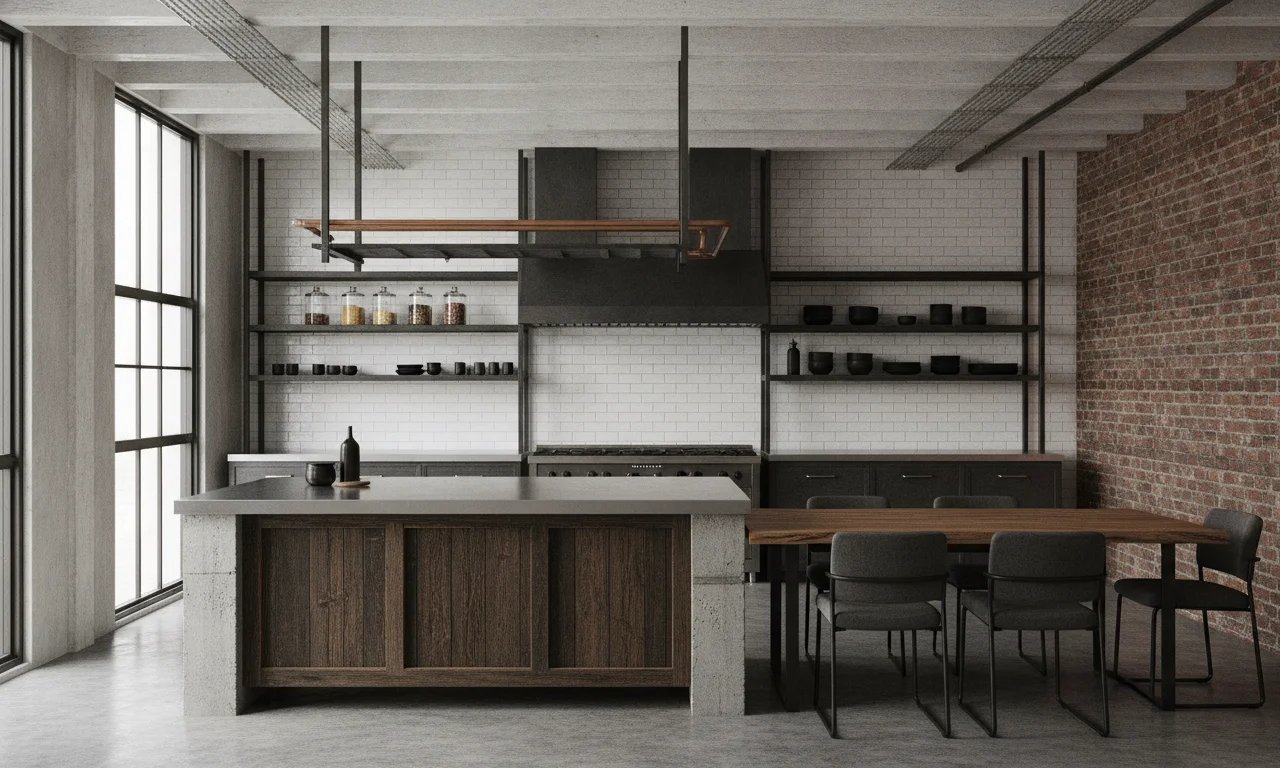
An industrial kitchen combines raw materials, functional design, and bold aesthetics to create a space that's both striking and practical. Whether you're working with a compact galley or an open-concept layout, industrial elements bring character and durability to one of the most-used rooms in your home.
This design approach draws from industrial style roots, translating warehouse and factory design into residential kitchens. The result is a kitchen that feels authentic, timeless, and unapologetically modern.
What Defines Industrial Kitchen Design
Industrial kitchen design emphasizes exposed structural elements, utilitarian finishes, and a "less is more" philosophy. Think concrete walls, steel accents, glass partitions, and open shelving that showcases both form and function.
The appeal lies in authenticity. Rather than hiding infrastructure, industrial kitchens celebrate it.
Visible ductwork, beam frameworks, and raw material textures become design features rather than elements to conceal. This approach works especially well in converted lofts, warehouse apartments, and homes with high ceilings or structural character.
Key characteristics include:
- Exposed brick, concrete, or steel elements
- Minimal ornamentation and decorative details
- Durable, low-maintenance materials
- Open shelving and visible storage
- Metal fixtures and hardware
- Neutral color palettes with occasional bold accents
Beyond Industrial: Complementary Kitchen Styles
While Industrial remains the core aesthetic, other styles can enhance or soften the approach. Maximalism introduces layers, textures, and curated collections to inject personality into industrial bones. Chalet style brings warmth through wood and stone, while Neoclassical adds refined elegance with symmetry and classical proportions.
Mixing styles requires restraint. A predominantly industrial kitchen might incorporate one chalet element—a wooden feature wall or rustic beam—or one neoclassical touch like refined marble accents. The key is maintaining visual balance and coherent material choices.
Material & Style Pairings
| Style | Materials | Why It Works |
|---|---|---|
| Industrial | Board-Formed Concrete, Structural Glass Floor | Raw concrete echoes warehouse aesthetics; glass floors create visual continuity and industrial transparency. |
| Maximalism | Vertical Rib Glass, Marmorino Fine | Textured plaster adds depth; patterned glass creates visual interest without clutter. |
| Chalet | Smart Heated Vinyl System | Warm, comfortable flooring complements rustic wood elements in a cozy aesthetic. |
| Neoclassical | Marmorino Fine, Vertical Rib Glass | Refined plaster finishes evoke classical elegance; decorative glass adds sophisticated visual texture. |
Essential Materials for Industrial Kitchens
Choosing the right floor and wall materials defines your industrial kitchen's character and durability.
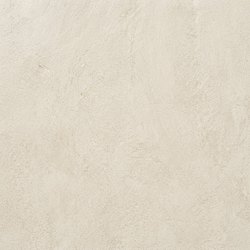
Concrete walls: Board-Formed Concrete creates dramatic, authentic industrial walls. The formwork patterns add subtle texture and visual interest while maintaining the raw, unfinished aesthetic. It's durable, easy to clean, and ages beautifully.
Glass elements: Structural Glass Floor and Vertical Rib Glass introduce transparency and light play. Glass backsplashes and partial wall partitions maintain visual openness while defining zones. Structural glass flooring is practical for high-traffic areas and creates a contemporary edge.
Warm finishes: Marmorino Fine plaster provides textural richness without sacrificing the industrial mood. Its soft, matte finish complements concrete and steel while adding warmth. Smart Heated Vinyl System offers underfloor heating beneath durable, easy-maintain flooring—essential in kitchens where bare feet meet cold concrete.
Visualizing Your Industrial Kitchen
Before committing to major renovations, test your design vision. Use AI room redesign to upload your current kitchen photo and explore how it looks with industrial finishes. Experiment with different material combinations to find your perfect balance of raw and refined.
Beyond materials, consider how furniture and fixtures contribute to the aesthetic. Stainless steel appliances, minimalist cabinetry, and metal bar stools reinforce the industrial narrative. For cluttered kitchens, virtual decluttering helps you envision a streamlined, functional layout.
If you're starting fresh, the empty room generator creates a blank canvas to build your industrial kitchen from scratch. Use it to explore layout possibilities before removing existing elements that don't serve your vision.
Industrial Kitchen Design in Practice
Real industrial kitchens balance aesthetics with everyday practicality. Open shelving displays cookware and ingredients, turning storage into decor.
Stainless steel work surfaces handle heavy use. Concrete or polished concrete countertops develop a patina over time, adding character.
Durable flooring like Smart Heated Vinyl System or sealed concrete withstands spills and foot traffic.
Lighting transforms industrial kitchens. Pendant lights with metal shades, track lighting, or exposed filament bulbs enhance the utilitarian vibe while providing task lighting at work zones.
For deeper inspiration, explore Industrial Kitchen Design: Raw Elegance Meets Function and Industrial Kitchen Makeover: Transform Your Space for detailed transformation strategies.
FAQ
Is industrial kitchen design expensive?
Industrial design can range from budget-friendly to high-end, depending on material choices and labor. Concrete and simple steel fixtures are affordable; custom glass features or high-end appliances cost more. Prioritize focal elements like walls or flooring and build from there.
Can industrial design work in small kitchens?
Absolutely. Minimal visual clutter and open shelving actually enhance small spaces. Glass elements create perceived openness, and industrial simplicity prevents small kitchens from feeling cramped. See Industrial Kitchen Design for Small Spaces for specific strategies.
How do I soften industrial style?
Layer in warm lighting, add wood accents, incorporate Marmorino Fine plaster for softness, or blend in Chalet elements like natural materials. Textiles, plants, and curated art also warm harsh industrial bones without compromising the aesthetic.
Transform Your Kitchen Today
Industrial kitchen design ideas offer authentic, durable, and visually striking results. Whether you embrace pure warehouse aesthetic or blend it with softer styles, the key is intentional material selection and functional layout. Start exploring your possibilities by trying it free on vividoo.app—upload your kitchen photo, select industrial or complementary styles, and visualize your transformation instantly.