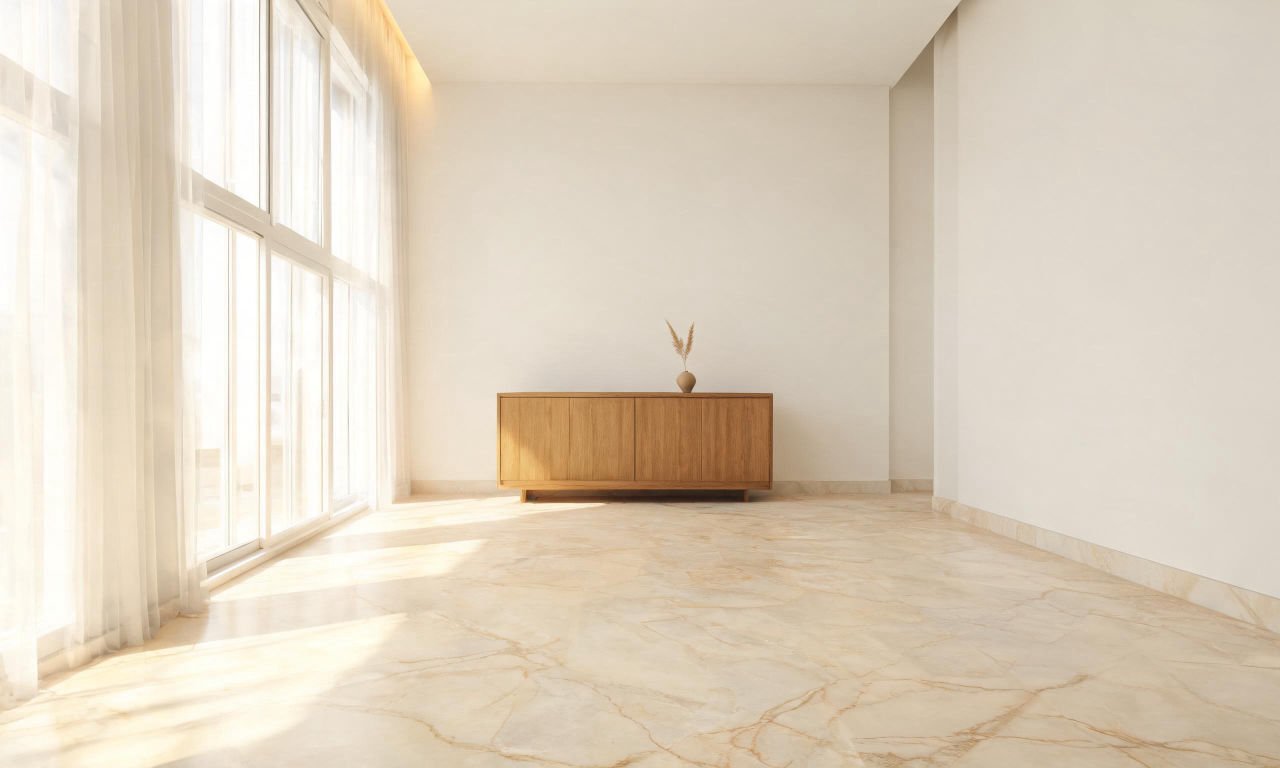
Small living rooms demand smart design choices. Minimalism offers the perfect philosophy: by removing visual clutter and focusing on essential elements, you create spaces that feel larger, calmer, and more intentional.
Whether you're working with limited square footage or simply prefer understated elegance, these design strategies will help you maximize your compact living room.
Why Minimalism Works in Small Living Rooms
Minimalist design strips away excess, allowing each piece to breathe and serve a purpose. This approach is especially powerful in compact spaces where every detail matters.
Clean lines, neutral palettes, and strategic furniture placement create visual breathing room that makes small living rooms feel more expansive.
The philosophy also reduces decision fatigue. When you commit to fewer, higher-quality pieces, your room tells a coherent story rather than overwhelming visitors with competing visual elements.
This calm, organized aesthetic naturally supports relaxation and focus—ideal for a living room that's often the heart of a home.
Four Minimalist Styles for Small Living Rooms
Different design movements embrace minimalist principles in distinct ways. Explore these four approaches to find the aesthetic that resonates with your vision.
Farmhouse Minimalism
Farmhouse style strips back to rural authenticity, combining natural textures and honest materials. In a small living room, farmhouse minimalism means white-painted walls, reclaimed wood accents, and a focus on handcrafted charm over ornamentation. This approach feels warm rather than sterile, inviting comfort while maintaining open sightlines.
Midcentury Minimalism
Mid-century modern design from the 1950s and 60s is inherently minimal. Midcentury pieces feature slim legs, geometric forms, and functional beauty. In compact spaces, a few statement minimalist furniture pieces from this era create sophistication without bulk.
Brutalism's Bold Restraint
Brutalist architecture champions raw materials and honest forms. Brutalism in a living room means concrete textures, dark tones, and sculptural simplicity. Despite its dramatic appearance, true brutalism removes ornament entirely, making it surprisingly minimalist for those who prefer moody, contemporary aesthetics.
Victorian Restraint
Victorian design need not be maximalist. Modern interpretations embrace the era's architectural elegance while paring back decoration. High ceilings and period details provide character, while a disciplined material palette and selective furniture choices keep the room from feeling cluttered.
Material & Style Pairings
| Style | Materials | Why It Works |
|---|---|---|
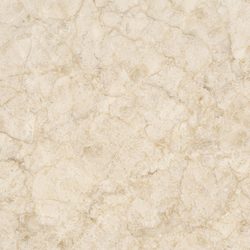
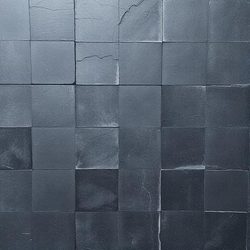
| Farmhouse | Crema Marfil, Slate Rug | Warm stone and natural textiles ground rural aesthetics while maintaining clean, uncluttered lines |
| Midcentury | Crema Marfil, Extra Clear Optiwhite | Light flooring and transparent glass walls maximize perceived space and reflect the era's optimistic modernism |
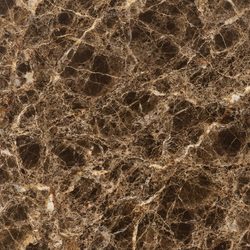
| Brutalism | Emperador Marble, Bespoke Stained Glass Mural | Dark marble provides textural drama while artistic glass adds visual interest without decorative clutter |
| Victorian | Emperador Marble, Bespoke Stained Glass Mural | Elegant marble and period-appropriate artistic glass honor Victorian craftsmanship in a focused, restrained way |
Practical Minimalist Strategies for Small Living Rooms
Beyond style selection, concrete tactics transform compact spaces. Virtual decluttering helps you visualize a room freed from unnecessary items. Remove objects that don't serve a function or bring joy, then commit to intentional replacements.
When updating your room, consider floor and wall materials that expand visual space: light stones like marble and translucent surfaces reflect light and create openness. AI-powered room redesigns let you test style changes before committing to furniture purchases.
FAQ
How do I make a minimalist small living room feel warm rather than cold?
Choose warm-toned materials like Crema Marfil flooring, incorporate natural textures such as slate rugs, and select wood furniture pieces. Farmhouse and midcentury styles naturally balance minimalism with coziness through material choices and proportional furniture design.
Can I use dark colors in a small minimalist living room?
Absolutely. Dark materials like Emperador Marble work beautifully in minimalist spaces when paired with ample lighting and uncluttered layouts. Brutalism and refined Victorian approaches prove that restraint and darkness can coexist elegantly.
What's the difference between minimalist design and empty rooms?
Minimalism is intentional; every remaining piece serves function or beauty. An empty room lacks purpose. Use vividoo's empty room generator to start fresh, then thoughtfully add essential furniture and materials that align with your chosen style.
Visualize Your Minimalist Living Room
Ready to transform your compact living room? Start by uploading a photo and exploring how different styles and materials respond to your specific space. Try it free on vividoo.app—experiment with AI room redesigns across all four styles, test material combinations, and discover which minimalist aesthetic feels right for your small room before making any real changes.
Related reading: Minimalist Hall Design Ideas for Living Rooms, How to Make Resin Furniture That Transforms Your Living Room, and Modern Living Room Tiles Design Ideas That Transform Your Space.