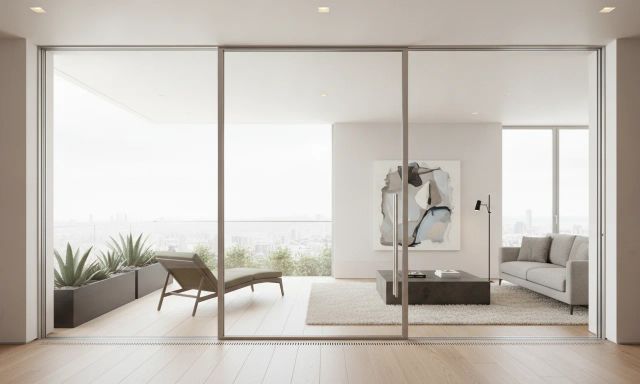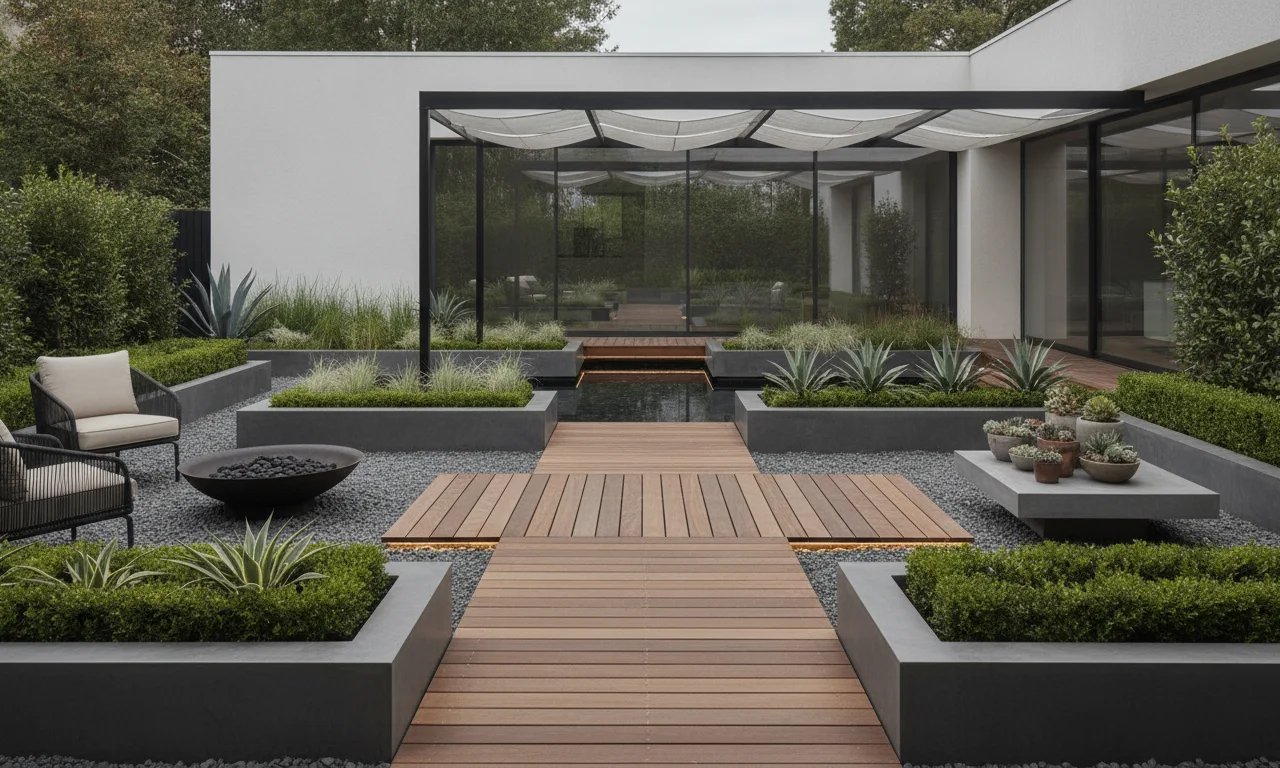
Your garden is an extension of your home, and modern garden design ideas can transform it into a sanctuary that balances aesthetics with practicality. Whether you're working with a compact courtyard or sprawling backyard, the right design approach creates a cohesive outdoor living environment that reflects your personal style.
Garden design has evolved significantly, moving beyond traditional ornamental plantings toward integrated outdoor spaces that serve as genuine living areas. Today's approach combines carefully selected materials, thoughtful spatial planning, and contemporary design principles to maximize both beauty and usability.
What Defines Modern Garden Design
Modern garden design emphasizes clean lines, minimalist planting schemes, and purposeful material selection. This style strips away unnecessary decoration to highlight the inherent beauty of well-chosen elements—from paving materials to architectural features.
The Modern style prioritizes function alongside form, creating gardens that feel current and sophisticated. Geometric shapes, neutral color palettes, and carefully spaced plantings define this approach, making it ideal for contemporary homes and urban settings.
Exploring Complementary Garden Styles
While modern design stands on its own, exploring alternative styles helps you refine your vision. Each style brings distinct characteristics that influence material choices and overall atmosphere.
The English style embraces abundant plantings and romantic informality, perfect for creating layered, lush gardens. By contrast, the Tuscan style draws from Mediterranean Revival traditions, emphasizing warm stonework, terracotta, and sun-baked aesthetics. For bold contemporary visions, the Cyberpunk style introduces dramatic lighting, metallic accents, and futuristic elements that push boundaries.
Transforming Your Garden with AI Design Tools
Visualizing garden changes before implementation reduces uncertainty and investment risk. AI room redesign tools for Garden / Yard allow you to upload a photo of your current space and instantly see how different styles and materials transform it.
Beyond style changes, you can experiment with specific features using specialized tools. Floor and wall materials renovation lets you test stone paving, fencing options, and backdrop treatments. For furniture arrangements, add or replace furniture features help you position seating, structures, and planters. If unwanted elements clutter your space, the object remover tool and virtual decluttering service create clean canvases for reimagining.
Material & Style Pairings
| Style | Recommended Materials | Why They Work |
|---|---|---|
| Modern | Stone Paving, Hammered Metal Finish | Clean, geometric surfaces and contemporary metallic textures reinforce minimalist aesthetics and architectural precision. |
| English | Rattan Panel, Stone Paving | Natural lumber-based screening and traditional stone create romantic boundaries and cottage-garden charm. |
| Tuscan | Porphyry Cobble, Stone Paving | Rustic stone surfaces echo Mediterranean villages, grounding designs in timeless, sun-warmed authenticity. |
| Cyberpunk | Hammered Metal Finish, Graphic Fence Art | Bold metallic and graphic elements create dramatic, forward-thinking visual impact perfect for futuristic reinterpretation. |
Key Materials for Modern Garden Spaces
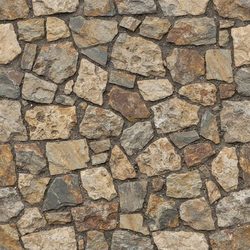
Stone Paving provides durability and timeless elegance, grounding modern gardens in natural authenticity. Its neutral tones complement minimalist designs while withstanding heavy use and weather exposure.
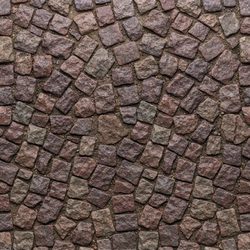
Porphyry Cobble brings textured, rustic character ideal for gardens inspired by Mediterranean or traditional aesthetics. Each stone's natural variation adds visual depth while maintaining structural integrity.
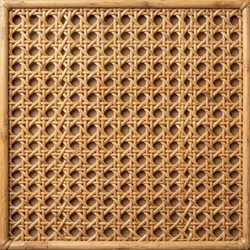
Rattan Panel offers natural screening that filters light beautifully while creating privacy boundaries. Its organic texture softens architectural edges and complements plantings across multiple design styles.
Hammered Metal Finish and paint-based Graphic Fence Art introduce contemporary industrial or artistic elements, perfect for modern and cyberpunk interpretations respectively.
Planning Your Garden Renovation
Successful garden transformation begins with understanding your space's constraints and opportunities. Consider sun exposure, drainage patterns, existing vegetation, and how you envision using the area seasonally.
Start by photographing your current garden from multiple angles and times of day. Upload these to design tools and experiment with different style and material combinations risk-free. Once you've refined your vision, material selection for Garden / Yard renovation becomes straightforward—you've already visualized the results.
Related inspiration: explore Transform Your Yard: The Modern Garden Makeover Guide and Mediterranean Garden Design Ideas for Your Outdoor Space for additional perspectives on garden transformation.
FAQ
What makes modern garden design different from traditional approaches?
Modern design emphasizes clean lines, geometric forms, and purposeful minimalism over ornamental abundance. It treats gardens as functional living spaces with curated plantings and high-impact material choices, rather than collections of decorative elements.
Can I mix modern and traditional garden styles?
Absolutely. Many successful gardens blend modern hardscaping (like Stone Paving) with English cottage plantings or Tuscan warmth. The key is intentionality—choose materials and plants that visually harmonize rather than clash, using one style as the foundation and others as accents.
How do I choose between different paving materials?
Consider durability, maintenance, climate suitability, and aesthetic alignment with your chosen style. Stone Paving suits most contemporary designs, while Porphyry Cobble complements Mediterranean aesthetics. Test materials virtually using design tools before committing to full installation.
Start Your Modern Garden Redesign Today
Beautiful garden design doesn't require costly trial-and-error. Upload your garden photo and try it free on vividoo.app to explore modern garden design ideas instantly. Visualize style transformations, test material combinations, and confidently plan renovations that reflect your vision—all before breaking ground.