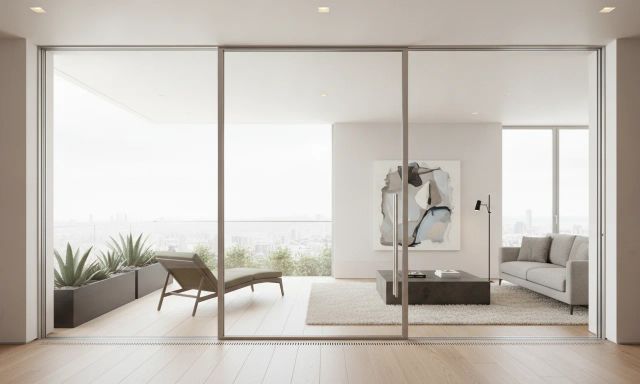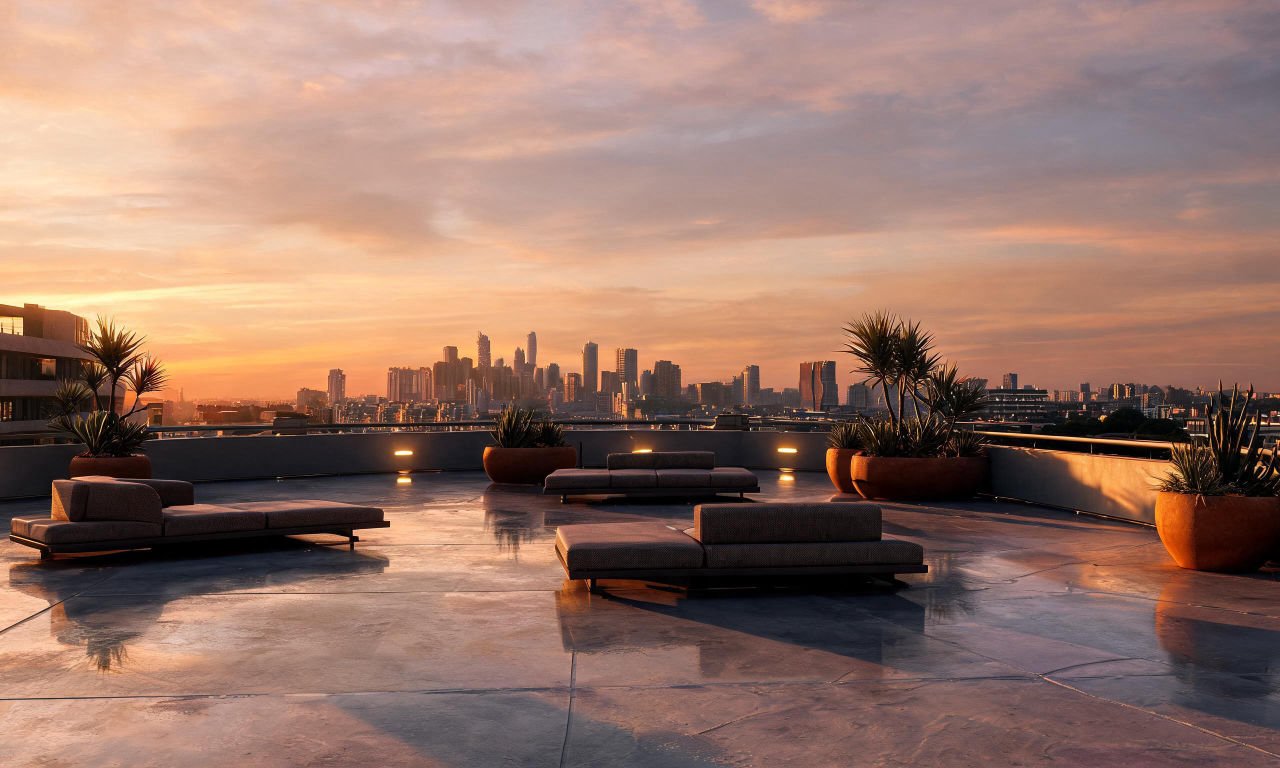
Your rooftop is blank canvas waiting for creative landscaping ideas. Whether you're starting from scratch or redesigning an existing outdoor area, the right materials and design style can turn an overlooked space into a stunning urban retreat.
This guide explores practical rooftop landscaping approaches, material selections, and how design tools can help you visualize your vision before you build.
Why Rooftop Landscaping Matters
Landscape design at height adds value, extends living space, and creates a personal sanctuary above the city. Rooftops benefit from full sun exposure, unobstructed views, and the opportunity to blend hardscape materials with greenery.
Planning rooftop landscaping requires balancing aesthetics with practicality: weight capacity, drainage, wind exposure, and material durability are all critical. The right design style and material palette ensure your rooftop is both beautiful and functional.
Four Design Styles for Rooftop Landscaping
Your landscaping concept should reflect your lifestyle and the surrounding urban context. Each design style brings a distinct character to rooftop spaces.
- Desert: Minimalist, drought-tolerant planting with architectural plant forms, sandy or warm-toned hard surfaces, and sparse furnishing. Ideal for low-maintenance, arid-climate rooftops.
- Futuristic: Contemporary materials, clean lines, integrated lighting, and bold colour contrasts. Perfect for modern urban rooftops seeking a forward-thinking aesthetic.
- Lounge: Relaxed, resort-like atmosphere with comfortable seating, natural textures, and layered landscaping. Encourages entertaining and leisure.
- Urban: Industrial-inspired design mixing raw materials, vertical greenery, and functional zones. Reflects contemporary city living.
Visualizing these styles is easier with AI room redesign for rooftops—upload your space and explore each style instantly.
Essential Materials for Rooftop Landscaping
Material choice shapes both the look and longevity of your rooftop. Consider durability, maintenance, weight, and how each material interacts with weather and sunlight.
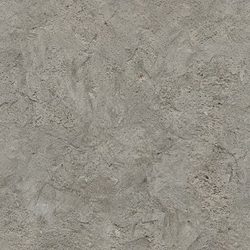
- Ground surfaces: Outdoor Microcement offers sleek, seamless flooring with slip resistance. Polished Concrete provides industrial polish and easy maintenance.
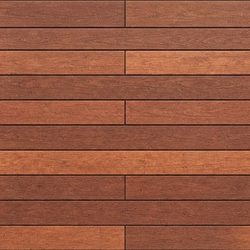
- Wood accents: Outdoor Planks add warmth, natural texture, and a residential feel to rooftop decking and furniture bases.
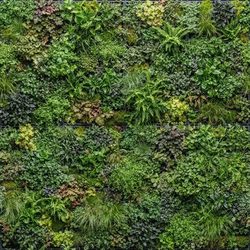
- Vertical elements: Vertical Garden systems bring lush greenery to backdrop walls and fences, maximizing planting in tight spaces. Wall Cladding adds stone texture and architectural interest to vertical surfaces.
Material & Style Pairings
| Style | Recommended Materials | Why It Works |
|---|---|---|
| Desert | Polished Concrete, Outdoor Microcement | Clean, minimal surfaces echo arid landscapes and require minimal watering infrastructure. |
| Futuristic | Outdoor Microcement, Wall Cladding | Seamless, modern finishes and geometric cladding create a contemporary, tech-forward appearance. |
| Lounge | Outdoor Planks, Vertical Garden | Warm wood and living walls establish comfort and a resort-like, welcoming ambiance. |
| Urban | Polished Concrete, Vertical Garden, Wall Cladding | Industrial materials paired with greenery balance raw urban character with natural softness. |
Tools to Visualize Your Rooftop Landscaping
Designing rooftop landscaping on paper is limiting. Use digital tools to test ideas before investing in materials and plants.
- Floor & wall materials renovation lets you swap ground surfaces and backdrop finishes to see how different materials change the space.
- Add or replace furniture to explore seating, planters, and outdoor structures within your chosen style.
- Object remover helps clear clutter and existing elements that distract from your landscaping vision.
- Virtual decluttering simplifies the space so you can focus on core landscaping and hardscape design.
Practical Landscaping Considerations
Beyond aesthetics, rooftop landscaping requires structural and environmental planning. Ensure your rooftop can support the weight of soil, plants, and hardscape materials. Drainage is critical—water pooling damages roofs and plants.
Wind exposure is higher at elevation; choose plants and furnishings rated for your climate zone. Consider sun exposure throughout the day and select materials with appropriate UV resistance. Colour theory helps balance warm and cool tones across hardscape and planting layers for visual harmony.
If you're planning a tropical rooftop garden, moisture management and shade become even more important.
FAQ
What's the best rooftop landscaping style for a small space?
Desert and Futuristic styles work well in compact areas because they prioritize clean lines and minimal clutter. Vertical Garden systems and Wall Cladding maximize greenery without consuming floor space.
How do I choose between Polished Concrete and Outdoor Microcement?
Polished Concrete has a glossy, industrial finish and suits Urban or modern themes. Outdoor Microcement offers a seamless, matte appearance that pairs beautifully with Desert, Futuristic, or Lounge aesthetics and provides better slip resistance in wet conditions.
Can I mix multiple design styles on one rooftop?
Yes. Zone your rooftop: use Lounge seating in one area and Urban hardscape in another. The key is consistent material choices across zones so transitions feel intentional rather than chaotic.
Start Your Rooftop Landscaping Journey
Rooftop landscaping transforms overlooked outdoor real estate into a personal retreat. By combining a clear design vision, durable materials, and practical planning, you create a space that's beautiful, functional, and uniquely yours. Try it free on vividoo.app to upload your rooftop photo, select a style, and explore material combinations before you commit to your redesign.