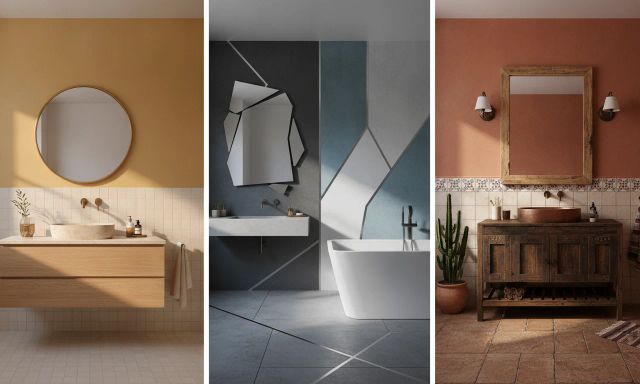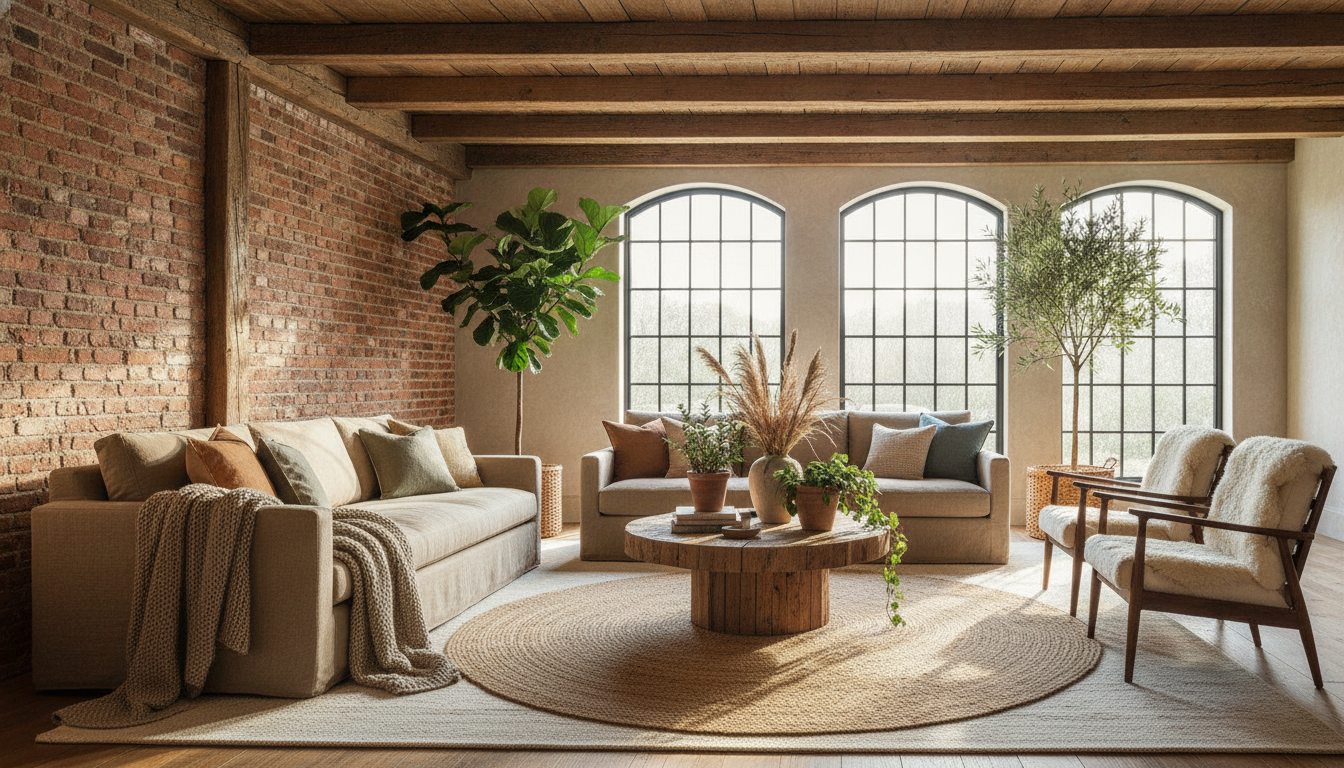
The boundary between indoor comfort and outdoor beauty doesn't have to be fixed. By applying rustic outdoor landscaping principles to your living room, you can create a retreat that feels grounded, warm, and deeply connected to nature. This approach combines natural materials, earthy color palettes, and organic design flows to transform a typical interior into a space that echoes the calm of the countryside.
Many homeowners overlook how landscaping philosophy translates indoors. Gardens rely on texture, layering, and balance—qualities that also define exceptional living room design. Let's explore how to bring those principles inside.
Why Rustic Landscaping Principles Work Indoors
Rustic outdoor design emphasizes authenticity, sustainability, and harmony with nature. These values translate seamlessly to interior spaces when you prioritize raw materials, warm lighting, and an absence of unnecessary ornamentation. Rustic living room redesigns showcase how weathered wood, stone, and natural textiles create visual depth and emotional warmth.
The appeal lies in imperfection. Unlike polished minimalist spaces, rustic interiors celebrate patina, grain, and variation. This philosophy aligns beautifully with how outdoor landscapes age and evolve over time, creating a living aesthetic rather than a static one.
Key Rustic Materials for Living Room Transformation
To authentically capture outdoor rusticity, focus on materials that weather well and develop character. Floor and wall material renovations form the foundation of this transformation.
- Burnished Brick: This wall material brings the warmth of a countryside cottage or barn aesthetic directly into your space. Its uneven surface and rich color variations create immediate visual interest and authenticity.
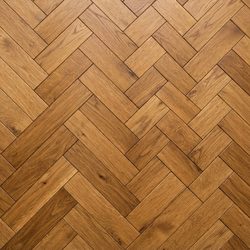
- Parquet Block: Parquet flooring delivers the organic movement of timber while adding refinement. The geometric interlocking patterns echo landscaping hardscaping elements like stone or timber borders.
- Seagrass Mat: This natural fiber flooring introduces coastal rusticity and tactile warmth. It's breathable, sustainable, and visually connects to natural outdoor textures.

Beyond Rustic: Exploring Complementary Styles
While rustic is the natural starting point, other design styles share landscaping-inspired principles. AI room redesigns let you experiment with how these aesthetics layer together in your actual space.
Midcentury modern design embraces natural wood and organic forms, drawing from the same respect for materials that outdoor designers practice. Mid-century modern interiors often feature clean lines inspired by landscape architecture's emphasis on flow and balance.
Neoclassical design incorporates natural stone and classical materials that echo formal gardens and landscaped estates. The structured elegance mirrors how landscape design balances beauty with intentional layout.
Wabisabi aesthetics celebrate impermanence and the beauty of aging—core principles in how natural outdoor spaces evolve. This Japanese-inspired approach aligns perfectly with rustic philosophy's embrace of weathered materials and organic decay.
Material and Style Pairings
| Style | Recommended Materials | Why It Works |
|---|---|---|
| Rustic | Burnished Brick, Parquet Block | Raw, authentic surfaces that age beautifully and evoke countryside cottages and farmsteads. |
| Midcentury | Parquet Block, Seagrass Mat | Natural wood and organic fibers align with mid-century respect for material authenticity and form. |
| Neoclassical | Emperador Marble | Luxurious stone echoes the refined elegance of classical gardens and estate landscapes. |
| Wabisabi | Ash Panel, Seagrass Mat | Weathered wood and natural fiber celebrate imperfection and the patina of time. |
Practical Tools for Your Redesign
Visualizing rustic landscaping elements in your actual living room is easier with digital tools. Add or replace furniture to introduce outdoor-inspired pieces like reclaimed wood tables or woven seating. Use virtual decluttering to clear distractions and let natural textures breathe. For dramatic transformations, generate an empty room and rebuild from scratch with your chosen materials and style.
Related Design Inspiration
Explore more landscaping-to-interior connections through how to bring rustic backyard landscaping ideas into your living room. For those seeking balance, minimalist living room design ideas that feel intentional share similar restraint and appreciation for materials. And if you're drawn to rustic warmth, discover rustic bar decor ideas for every living room.
FAQ
How do I start bringing rustic landscaping ideas into my living room?
Begin with flooring and wall materials. Choose one signature material like burnished brick or parquet block, then build your palette around it. This anchors the space and makes other design choices feel cohesive.
Can I mix rustic with other styles like midcentury or neoclassical?
Absolutely. Rustic pairs naturally with midcentury's organic forms and neoclassical's refined materials. The key is balancing warmth (rustic) with either modernist clarity (midcentury) or formal elegance (neoclassical) to avoid visual confusion.
What's the difference between rustic and wabisabi aesthetics?
Both celebrate imperfection and aging, but rustic leans toward countryside warmth and abundance, while wabisabi embraces minimalism and the quiet beauty of impermanence. Rustic feels cozy; wabisabi feels meditative.
Transform Your Living Room Today
Rustic outdoor landscaping ideas bring authenticity, warmth, and natural beauty into your home. Whether you choose burnished brick walls, seagrass mats, or parquet block floors, the goal is creating a space that feels alive and connected to nature. Try it free on vividoo.app—upload a photo of your living room and experiment with rustic, midcentury, neoclassical, or wabisabi styles paired with your favorite natural materials. See how outdoor landscaping principles transform your indoor retreat in minutes.