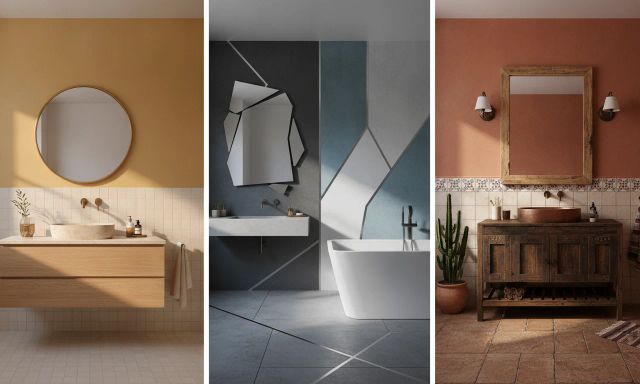
Small bathrooms present a unique challenge: limited square footage, but unlimited potential for creative design. The right interior design choices—especially tile selection and style pairing—can transform a cramped bathroom into a stunning, functional retreat. Whether you prefer bold geometric patterns or timeless elegance, your tile remodel is the foundation of a successful renovation.
This guide explores four distinctive design styles and shows you how to pair them with premium materials to maximize visual impact in a small space.
Why Tile Matters in Small Bathrooms
Ceramic and porcelain tiles are ideal for bathrooms because they resist moisture, are easy to clean, and create defined visual zones in tight spaces. Light-colored tiles reflect natural light and make rooms feel larger, while strategic patterning adds personality without overwhelming the eye.
When planning your bathroom tile remodel, consider how grout lines, finishes, and colour contrast affect spatial perception. Vertical tile orientation, for instance, draws the eye upward and enhances ceiling height.
Memphis Style Bathroom Tiles
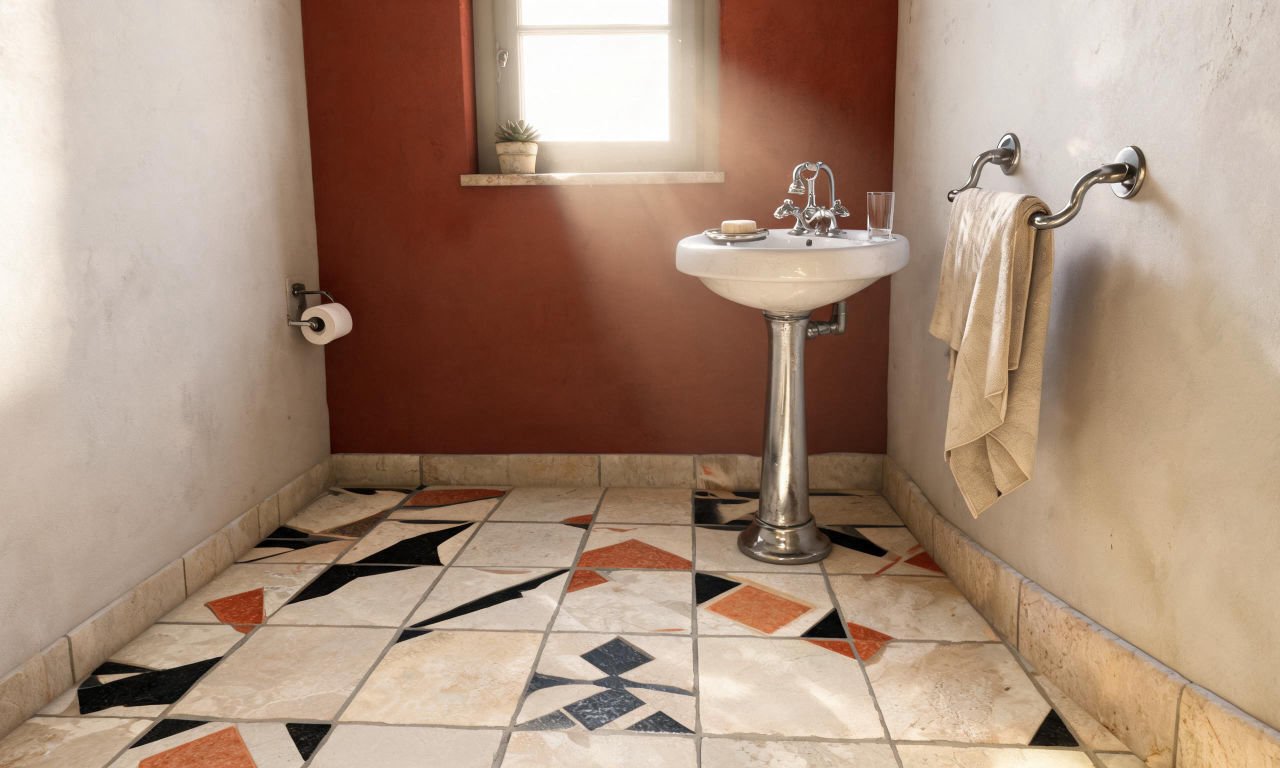
Memphis design embraces playful geometry, bold colour, and postmodern flair. In a small bathroom, Memphis tiles work best as an accent wall or floor feature rather than covering all surfaces.
Pair Memphis patterns with clean, minimalist fixtures to avoid visual chaos. The style thrives on unexpected colour combinations and asymmetric shapes—perfect for expressing personality in a compact space. Use Memphis tiling on the floor to anchor the room, then balance with neutral walls.
Victorian Style Bathroom Tiles
Victorian bathrooms celebrate ornamental detail, symmetry, and classic elegance. Small Victorian bathrooms work beautifully when you focus detailing on key areas—the vanity backsplash, floor borders, or feature walls—rather than tiling every inch.
Victorian style pairs exceptionally well with natural stone floors and marble accents. The formal aesthetic feels luxurious even in limited square footage, creating a spa-like atmosphere that makes small spaces feel intentional and curated.
Deco Style Bathroom Tiles
Deco design features geometric patterns, symmetry, and glamorous finishes. Art Deco tiles are inherently small-space friendly because they create visual rhythm and movement without clutter.
The style pairs perfectly with marble and polished stone, elevating even modest bathrooms to luxury status. Deco's emphasis on linear patterns and metallic accents maximizes light reflection, making tight bathrooms feel more expansive.
Steampunk Style Bathroom Tiles
Steampunk bathrooms blend industrial grit with Victorian romanticism. Expect exposed metalwork, dark accents, and textured materials. While unconventional for bathrooms, Steampunk tile choices create memorable, conversation-starting spaces.
Steampunk works best when you anchor the design with neutral tile and add character through fixtures, hardware, and limited accent tiling. The style rewards bold personal expression and works well for homeowners who reject traditional bathroom aesthetics.
Material & Style Pairings
| Style | Recommended Material | Why It Works |
|---|---|---|
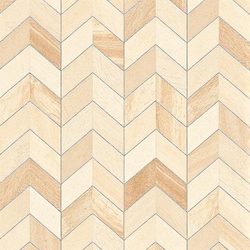
| Memphis | Travertine | Travertine's warm, earthy tone balances Memphis's bold geometry and colour, creating visual harmony in small spaces. |
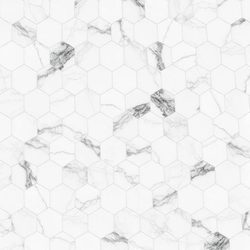
| Victorian | Calacatta Marble | Calacatta Marble's elegant veining and luxurious appearance embodies Victorian opulence and timeless sophistication. |
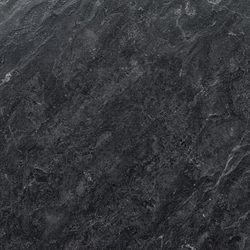
| Deco | Polished Slate | Polished Slate's reflective surface and subtle geometric character complement Deco's glamorous, patterned aesthetic. |
| Steampunk | Travertine or Polished Slate | Both materials' textured, aged appearance aligns with Steampunk's industrial heritage and vintage character. |
Material Gallery
Planning Your Small Bathroom Tile Remodel
Start by defining your style preference, then select tile materials that enhance rather than compete. Use AI room redesign tools to visualize your ideas before committing to tile purchases. This approach reduces costly mistakes and ensures your choices harmonize with fixtures, lighting, and wall colour.
Consider floor and wall material renovation as a complete system. The most successful small bathroom remodels coordinate tiles, grout colour, and wall finishes into a cohesive whole.
If you're adding new fixtures or reconsidering layout, explore adding or replacing furniture within your design before finalizing tile choices. This ensures your vanity, shelving, and accessories complement your tile aesthetic.
Related Bathroom Remodel Guides
For budget-conscious renovations, see Tile Bathroom Remodel Ideas on a Budget. If you want to explore multiple styles, check out Bathroom Tiles Renovation Ideas: 4 Design Styles and Bathroom Tile Remodel Ideas: 4 Stunning Styles. For a serene aesthetic, explore Zen Style Bathroom Ideas: Create a Peaceful Retreat.
FAQ
What tile size works best for small bathrooms?
Larger tiles (12×24 inches or bigger) create fewer grout lines and make small spaces feel more spacious. However, small mosaic or geometric tiles can work beautifully if they align with your chosen style—Memphis and Deco both benefit from patterned, varied tile sizes.
How do I make a small bathroom feel larger with tile?
Use light-coloured tiles to reflect light, lay tiles diagonally to create visual movement, and extend tiling up the walls to draw the eye upward. Polished finishes enhance this effect better than matte ones.
Can I mix tile styles in a small bathroom?
Yes, but with intention. Combine a simple base tile with one accent wall or border in a complementary pattern. For example, pair neutral Travertine floors with a Memphis-style accent strip, or use Calacatta Marble in a Victorian vanity backsplash against plain walls.
Start Your Bathroom Tile Remodel Today
Transform your small bathroom without guesswork. Upload a photo of your current space, select your preferred style—Memphis, Victorian, Deco, or Steampunk—and choose your ideal materials. Try it free on vividoo.app to visualize your tile remodel before making any decisions. Your perfect small bathroom awaits.
===END===