
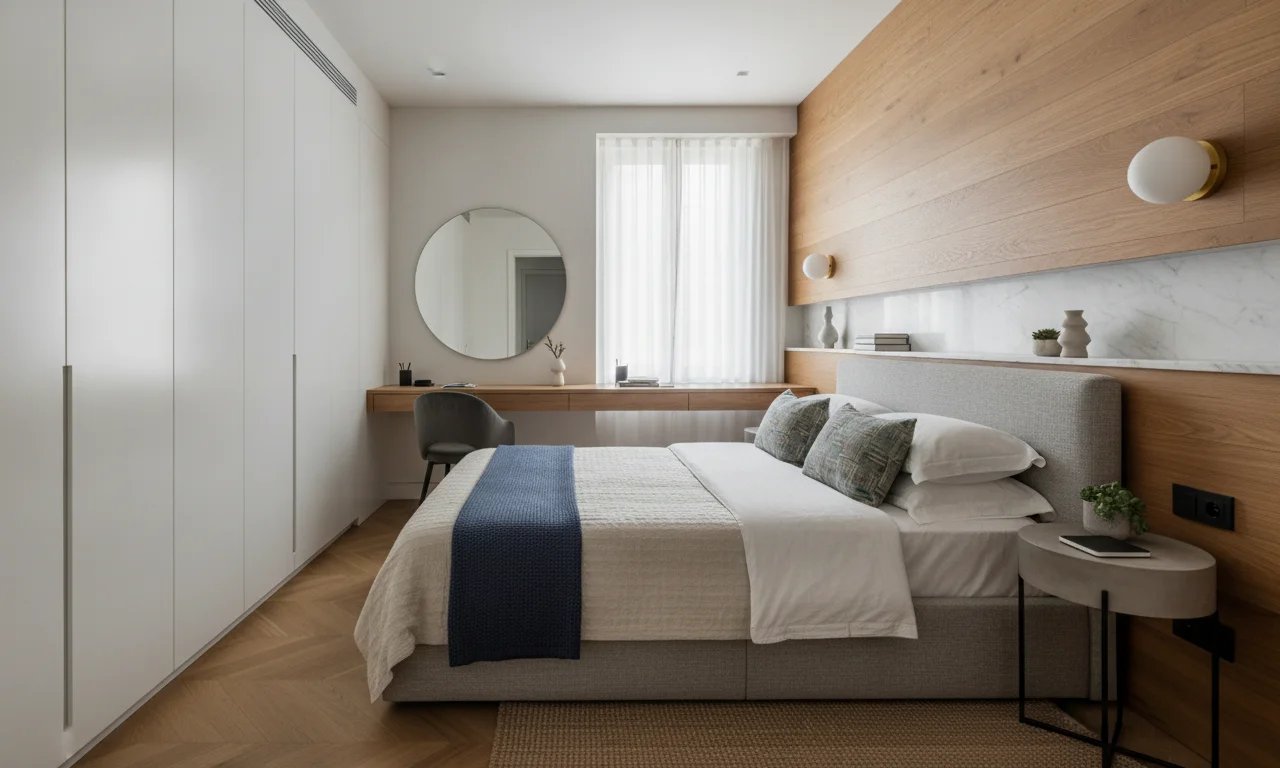
A small bedroom doesn't mean you have to sacrifice style or comfort. The key is choosing a cohesive design direction and materials that make the space feel intentional rather than cramped. Whether you're working with a studio apartment, a guest room, or a child's bedroom, the right aesthetic can transform how your space feels.
vividoo's AI design tools let you visualize different bedroom styles and material combinations before you commit to any changes, making it easier to find what works for your small footprint.
Why Style Matters in Small Spaces
The right design style creates visual harmony and can actually make a room feel larger. A cluttered, mismatched aesthetic makes small spaces feel chaotic; a unified style brings calm and intention to every corner.
When you redesign your bedroom with a specific style in mind, you're creating a framework for every decision—from furniture placement to material choices. This clarity is especially valuable in small rooms where every element is visible.
Four Styles That Shine in Small Bedrooms
Shabby style works beautifully in small spaces because its soft, layered aesthetic makes rooms feel collected and personal rather than minimal or cold. Shabby chic embraces worn textures and muted tones that add warmth without visual weight.
Wabisabi design celebrates imperfection and natural materials, making it ideal for small bedrooms. Its philosophy of "less is more" aligns perfectly with compact layouts, using negative space as an asset rather than a limitation.
Midcentury style brings clean lines and functional furniture that maximizes usable space. Mid-century modern design prioritizes form and function, so every piece earns its place in a small room.
Golden Hour style creates warmth through soft lighting and warm neutral tones. This aesthetic makes even the smallest bedroom feel like a sanctuary, using color psychology to enhance comfort and relaxation.
Material & Style Pairings
| Style | Recommended Materials | Why It Works |
|---|---|---|
| Shabby | Subway Tiles, Limestone Tile | Soft, organic textures reinforce the vintage, lived-in aesthetic while keeping the room visually open |
| Wabisabi | Limestone Tile, Fluted Glass | Natural stone and translucent glass celebrate imperfect beauty and allow light to flow, making spaces feel larger |
| Midcentury | Dark Granite Vinyl, Cove Base Epoxy System | Polished, modern surfaces reflect light and create visual continuity, supporting the style's clean aesthetic |
| Golden Hour | Limestone Tile, Fluted Glass | Warm, natural materials catch and diffuse light beautifully, amplifying the cozy, luminous mood |
Flooring That Expands Small Spaces
Your floor is one of the largest visual surfaces in a room, so choosing the right material makes an outsized impact. Upgrading your floor and wall materials can completely change how spacious your bedroom feels.
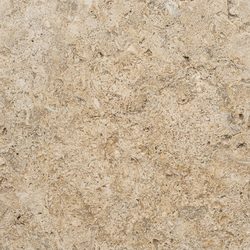
Limestone Tile brings warmth and softness underfoot while its neutral tone visually expands the room. Light-colored flooring reflects light, making small bedrooms feel airier.
Dark Granite Vinyl offers a sleek, modern alternative that's practical for small spaces—it's durable and easy to maintain. For those embracing wabi-sabi or Golden Hour styles, the organic variation in granite creates visual interest without feeling busy.
Cove Base Epoxy System provides a seamless, continuous floor that eliminates visual breaks. This creates flow in compact layouts and makes cleaning easier—a major advantage in small bedrooms where you need every advantage.
Walls That Don't Close In

Subway Tiles are a timeless choice for small bedrooms because their rectangular shape creates subtle lines that guide the eye upward, visually raising ceilings. Tiles also feel fresh and clean, preventing walls from feeling heavy or dark.

Fluted Glass adds textural interest while remaining translucent, allowing light and sightlines to pass through. This creates psychological space without taking up physical room—ideal for accent walls or partitions in compact bedrooms.
Beyond Materials: Space-Maximizing Tools
Style and materials are only part of the equation. How you arrange and furnish your small bedroom matters just as much.
- Add or replace furniture to test layouts before buying
- Remove objects to see how the room looks with less clutter
- Declutter virtually to find your ideal minimalist arrangement
- Generate an empty room to plan from scratch without existing constraints
FAQ
What's the best flooring for a small bedroom?
Light-colored, continuous flooring like Limestone Tile or seamless Cove Base Epoxy System makes rooms feel larger by reflecting light and eliminating visual breaks. Avoid overly bold patterns that can make compact spaces feel busier.
Can I use dark colors in a small bedroom?
Yes, but strategically. Dark Granite Vinyl or deeper tones work best on accent walls or in materials paired with plenty of light-reflecting surfaces and good lighting. Pair dark materials with lighter wall colors to maintain balance.
Which style is easiest for small bedroom design?
Wabisabi and Midcentury styles tend to work naturally in small spaces because both philosophies embrace minimalism and functional design. Both styles avoid visual clutter, making compact rooms feel intentional rather than cramped.
Visualize Your Small Bedroom Before You Redesign
The best way to know if a style, material, or layout works for your small bedroom is to see it. Try it free on vividoo.app—upload a photo of your bedroom, choose your style and materials, and get an instant AI-generated redesign. Test multiple options to find the combination that makes your space feel exactly right.
Discover more bedroom design inspiration in our guides on bedroom interior design ideas for every aesthetic and bedroom interior design ideas that match your lifestyle.