
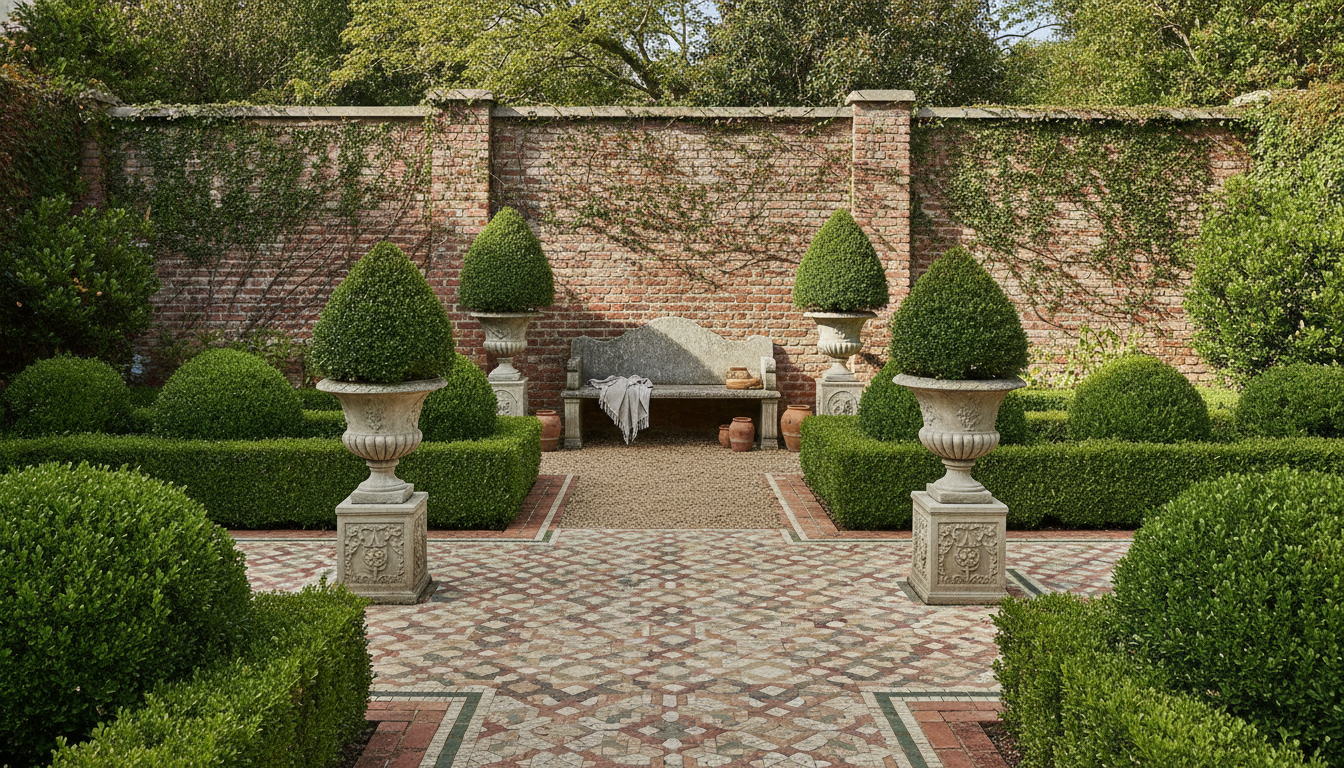
Creating an elegant garden in a compact space requires thoughtful planning and refined design choices. Small formal gardens prove that sophistication doesn't demand sprawling acreage—it demands intentionality, symmetry, and carefully selected materials that enhance rather than clutter your outdoor retreat.
Whether you're working with a city courtyard, a modest suburban yard, or a narrow side garden, formal garden design principles transform limited space into a polished sanctuary. This guide explores styles and materials that elevate small gardens into statement outdoor rooms.
Understanding Formal Garden Design Principles
Garden design as a discipline emphasizes balance, proportion, and visual hierarchy. Formal gardens rely on symmetry, clean lines, and structured plant arrangements to create harmony within any footprint.
The key to small formal gardens lies in restraint. Rather than filling every corner with features, select focal points—a central pathway, a water feature, or a sculptural element—and build outward.
Vertical elements like trellises and wall treatments create the illusion of space while adding architectural interest.
Material choices amplify formality. Hardscaping materials like mosaics and composite panels establish visual weight and sophistication, while strategic greenery softens edges without overwhelming the space.
Formal Style: Timeless Sophistication
The Formal style emphasizes symmetrical layouts, geometric patterns, and disciplined plantings. This aesthetic suits small gardens exceptionally well because it prioritizes order and clean sightlines, making compact areas feel intentional rather than cramped.
Formal gardens typically feature balanced pairs—twin planters flanking a gate, matching hedges along pathways, or symmetrical seating areas. This balance creates visual satisfaction and draws the eye through the space with purpose.
When upgrading your outdoor space with formal elements, consider how floor and wall materials renovation can establish the foundation. Precision-laid hardscaping and pristine backdrops transform informal yards into composed outdoor rooms.
English and Cottage Styles: Refined Informality
The English style brings romantic structure to small spaces, blending formal bones with generous plantings. This approach works beautifully in tight yards because it softens rigid geometry with layered greenery and abundant flowering specimens.
Similarly, the Cottage style creates charm within constraints. While appearing effortlessly planted, cottage gardens actually follow careful design logic—mixing heights, textures, and bloom times to create interest in compact areas without feeling chaotic.
Both styles prove that small formal gardens need not feel cold or austere. They can embrace lushness while maintaining underlying structure and elegance.
Tuscan Elegance in Compact Gardens
The Tuscan style draws inspiration from Mediterranean Revival architecture, emphasizing warm tones, terracotta accents, and sun-drenched layouts. For small formal gardens, Tuscan design offers an earthy alternative to stark minimalism while maintaining sophistication.
Tuscan gardens excel at making small spaces feel like private villas. Warm-toned materials, strategic lighting, and patio design elements create intimate outdoor rooms that feel larger than their actual dimensions.
Material & Style Pairings
| Style | Recommended Materials | Why It Works |
|---|---|---|
| Formal | Terrace Accent Mosaic, Custom Printed Composite Panel | Geometric precision and clean lines reinforce formal symmetry and create defined focal points |
| English | Vine Covered Brick, Terrace Accent Mosaic | Softened hardscape textures support romantic layering while maintaining structure and heritage appeal |
| Tuscan | Ipe Decking, Terrace Accent Mosaic | Warm wood tones and earthy mosaics evoke Mediterranean warmth and create sun-kissed, intimate spaces |
| Cottage | Vine Covered Brick, Chalk Garden Paint | Weathered, lived-in textures support effortless charm while Chalk Garden Paint adds soft, approachable color |
Hardscaping Materials for Small Formal Gardens
The right flooring anchors small formal gardens. Terrace Accent Mosaic grounds spaces with geometric visual interest while maintaining elegance. Mosaics add texture and pattern without introducing clutter, making them ideal for compact yards where every material choice matters.
Ipe Decking offers warmth and durability for gardens pursuing Tuscan or casual formal aesthetics. Its rich grain adds sophistication while its hardwearing nature suits high-traffic pathways and seating areas in small spaces.
Vine Covered Brick establishes backdrop texture and romantic heritage. For compact gardens, climbing ivy-covered walls create vertical interest and softness without consuming floor space, making walls active design elements rather than blank surfaces.
Backdrop and Paint Solutions
Custom Printed Composite Panel provides refined backdrop options for material renovation projects, allowing geometric or botanical imagery that reinforces your chosen formal style without overwhelming small boundaries.
Chalk Garden Paint offers soft, sophisticated color that feels approachable and welcoming. This material works beautifully on small garden walls, fences, and structures, creating gentle visual boundaries that feel intentional rather than restrictive.
Using AI to Visualize Your Design
Before investing in materials and plantings, leverage technology to preview your small formal garden transformation. The AI room redesign tool for gardens lets you upload your current yard photo and experiment with different formal styles instantly, seeing how Formal, English, Tuscan, and Cottage aesthetics transform your specific space.
Beyond style exploration, you can add or replace garden furniture virtually, test how material choices impact your layout, and even remove visual clutter to plan your garden with precision before any construction begins.
For those working with overgrown or cluttered yards, the virtual decluttering tool helps you visualize a simplified, more formal layout by removing unnecessary elements and revealing design potential.
Related Garden Design Inspiration
Looking for more outdoor design direction? Explore Transform Your Outdoor Space With Rustic Garden Ideas, Rustic Garden Ideas Pictures for Every Outdoor Vision, or Rustic Garden Landscape Ideas for Every Outdoor Space to discover how different aesthetics solve small-space challenges.
FAQ
How do I make a small formal garden feel larger?
Use symmetry and clear sightlines to create visual depth. Mosaics and geometric patterns draw the eye through the space, while vertical elements and wallpaper or painted backdrops add dimension without consuming floor area. Strategic focal points—a central feature or framed view—anchor the space and make it feel intentional rather than cramped.
Which formal garden style works best for shade?
English and Cottage styles adapt most gracefully to partial shade, as they emphasize foliage variety and shade-tolerant specimens like hostas and ferns. Formal and Tuscan styles typically require more sunlight to showcase their geometric precision and warm materials, though they can be modified with shade-appropriate plantings and reflective materials.
Can I achieve small formal garden ideas on a budget?
Absolutely. Prioritize one or two statement materials—perhaps Vine Covered Brick for a backdrop or Terrace Accent Mosaic for a central pathway—and pair them with simple edging and strategic plantings. Panelling and paint offer affordable alternatives to expensive hardscaping. Use virtual design tools to plan investments before purchasing materials.
Start Designing Your Small Formal Garden Today
Small formal gardens prove that elegance thrives within constraints. By combining refined styles—Formal, English, Tuscan, or Cottage—with thoughtfully chosen materials like Terrace Accent Mosaic, Vine Covered Brick, and strategic paint finishes, you transform compact outdoor spaces into sophisticated retreats.
Ready to visualize your garden transformation? Try it free on vividoo.app to upload your yard photo, explore formal styles, experiment with materials, and design your perfect small garden without lifting a shovel.