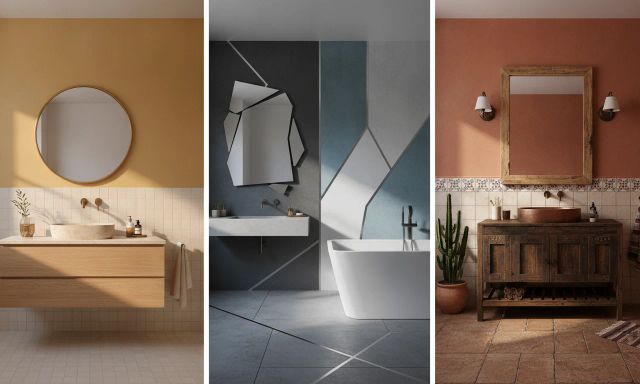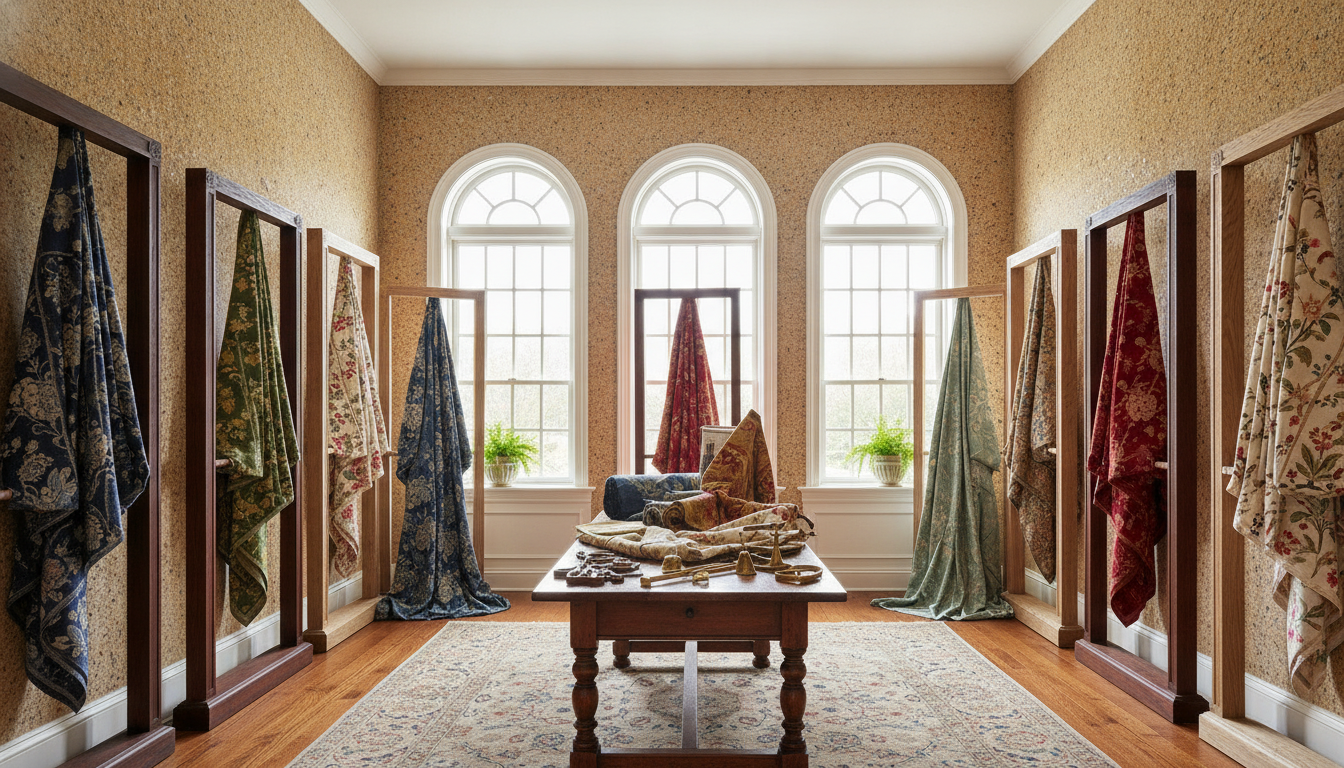
Your textile showroom is more than a retail space—it's a gallery where fabrics tell stories and customers envision possibilities. The right design transforms browsers into buyers by creating an environment that showcases textiles authentically while guiding the customer journey.
Strategic styling, thoughtful material choices, and cohesive aesthetics elevate the entire experience.
Whether you're refreshing an existing showroom or starting from scratch, understanding how design styles and materials work together is essential. This guide explores proven textile showroom design ideas that balance beauty, functionality, and commercial success.
Why Design Matters in Textile Showrooms
A well-designed textile showroom doesn't just display products—it creates context. When customers see fabrics in carefully curated environments, they can imagine those textiles in their own spaces, homes, or projects. Lighting, wall finishes, flooring, and overall aesthetic all influence purchasing decisions.
The best showrooms blend inspiration with accessibility, making it easy for clients to browse, compare, and choose. Design consistency reinforces brand identity, while strategic use of materials and color palettes helps organize collections by type, style, or use case. Consider exploring AI room redesign options for showroom layouts to test different arrangements before committing to changes.
Four Design Styles for Textile Showrooms
Different design styles suit different textile collections and customer demographics. Here are four compelling approaches:
Colonial Style Showrooms
Colonial design brings timeless elegance and heritage appeal. This style works beautifully for traditional fabrics, heirloom textiles, and collections with classic patterns.
Rich woods, structured layouts, and warm tones create an atmosphere of authenticity and craftsmanship. Colonial showrooms feel established and trustworthy—ideal for high-end or bespoke fabric lines.
Provence Style Showrooms
Provence evokes relaxed European charm and natural beauty. Soft colors, rustic textures, and airy layouts create an inviting atmosphere perfect for linen collections, home décor fabrics, and lifestyle-oriented textile brands. This style encourages customers to linger and explore, fostering emotional connections with products.
Wabisabi Style Showrooms
Wabisabi celebrates imperfection, natural materials, and understated beauty. This Japanese-inspired aesthetic appeals to customers seeking authenticity and sustainability. Minimal clutter, natural fibers, and muted palettes create serene showrooms where individual textiles become focal points. Perfect for artisan, eco-conscious, and contemporary fabric collections.
Maximalism Style Showrooms
Maximalism embraces bold colors, pattern layering, and abundant displays. This energetic approach showcases diverse collections simultaneously, creating visual excitement and adventure. Maximalism works well for fabric retailers with eclectic ranges, pattern-focused brands, or showrooms targeting design-forward customers who crave inspiration and options.
Material & Style Pairings
| Style | Recommended Materials | Why It Works |
|---|---|---|
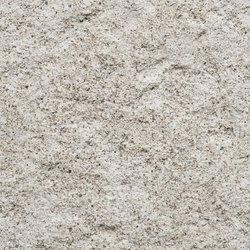
| Colonial | Granite Plaster (walls), Natural Pine Vinyl (floors) | Warm, traditional surfaces that evoke heritage and craftsmanship, grounding textile displays in timeless elegance |
| Provence | Granite Plaster (walls), Warm Limestone Vinyl (floors) | Soft, natural stone textures that complement rustic fabrics and create an organic, inviting backdrop |
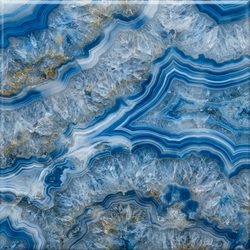
| Wabisabi | Blue Agate (walls), Bespoke Artistic Resin (floors) | Minimal, refined surfaces that don't compete with textiles; natural tones support contemplative browsing |
| Maximalism | Bespoke Artistic Resin (floors), Blue Agate (walls) | Statement surfaces that complement bold fabric displays; artistic finishes add visual interest without overwhelming products |
Practical Tools for Showroom Redesign
Modern design doesn't require guesswork. AI tools let you preview changes before renovation:
- AI room redesign lets you test entire style transformations and layouts instantly
- Floor and wall material renovations show how vinyl flooring, plaster finishes, and stone options change the space
- Virtual decluttering helps organize displays and reduce visual noise for maximum impact
- Object removal simplifies layouts before adding curated elements
- Furniture additions let you test display stands, shelving, and seating arrangements
- Empty room generator creates a clean canvas for reimagining your entire showroom
FAQ
What wall finish works best for textile displays?
Neutral finishes like Granite Plaster or Blue Agate work universally because they don't compete with fabrics. Granite Plaster suits traditional styles, while Blue Agate complements contemporary and artistic collections. Choose based on your brand aesthetic and the colors dominant in your textiles.
Should textile showroom flooring be pattern or plain?
Plain, high-quality flooring keeps focus on products. Natural Pine Vinyl and Warm Limestone Vinyl are classic choices. Bespoke Artistic Resin adds sophistication for maximalist or high-end showrooms. The floor should anchor the space without competing.
How do I choose between Provence and Colonial styles for my showroom?
Choose Colonial for heritage, luxury, or traditional fabric lines seeking timeless positioning. Choose Provence for relaxed, lifestyle-oriented collections and customers valuing comfort and natural beauty. Test both using AI showroom redesign tools to see which resonates with your brand and collection.
Learn more about design transformation strategies in our guide on showroom design ideas that captivate customers, and explore specific approaches in transforming your showroom with these design styles.
Start Designing Your Ideal Textile Showroom
Your showroom design is an investment in customer experience and sales. By combining thoughtful style choices with quality materials, you create an environment where textiles shine and customers confidently make purchases. Test your ideas risk-free and visualize transformations before committing to changes—try it free on vividoo.app.