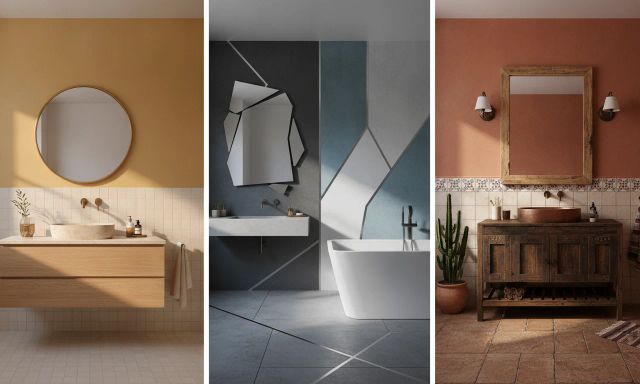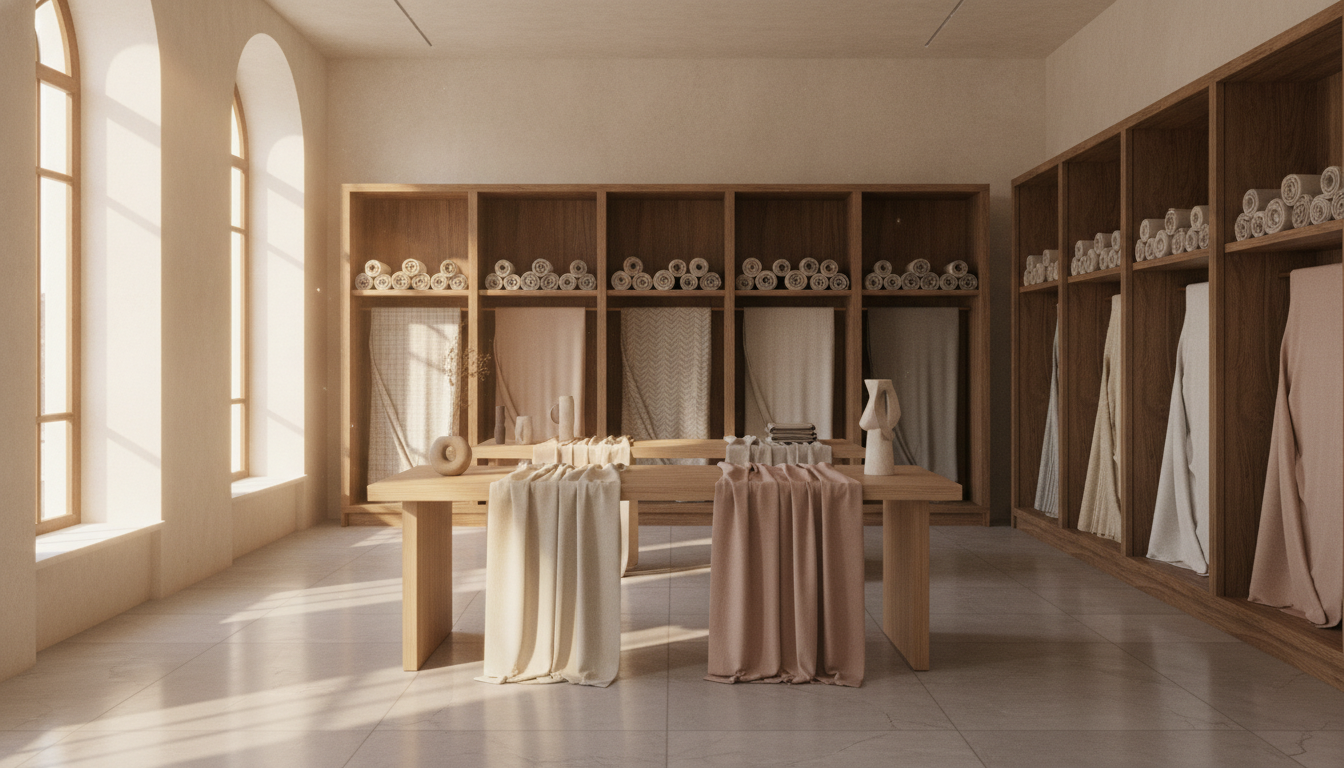
Your textile showroom is more than a retail space—it's a gallery where fabrics tell stories and customers discover their next project. The right interior design transforms a simple room into an immersive experience that showcases textures, colors, and patterns while encouraging purchases.
Whether you're redesigning an existing showroom or starting fresh, the design choices you make directly influence how customers perceive your collection.
Strategic showroom design ideas combine aesthetic appeal with functional display, and your textile showroom deserves an approach that highlights the qualities that make fabrics special: drape, sheen, weave, and color harmony.
Why Design Matters in Textile Retail
A well-designed textile showroom invites customers to touch, examine, and imagine how fabrics will transform their spaces. Poor lighting, cluttered displays, and mismatched aesthetics make even premium textiles feel uninviting.
Conversely, a cohesive design strategy—from wall finishes to flooring—creates an environment where textiles become the hero and customers linger longer.
The right design style sets expectations about quality, sophistication, and professionalism. It influences customer confidence, encourages exploration, and ultimately drives sales.
Four Design Styles for Textile Showrooms
Textile showrooms benefit from styles that either complement the fabrics or create compelling contrast. Here are four powerful design directions:
Shabby Style
Shabby design creates a warm, inviting atmosphere perfect for vintage, heritage, or artisanal textile collections. This style embraces soft, muted palettes, distressed finishes, and an eclectic mix that feels lived-in and authentic. Customers drawn to sustainable and timeless fabrics respond well to shabby showrooms.
Deconstructivism Style
For contemporary and avant-garde textile lines, deconstructivism offers bold architectural lines, unexpected angles, and a focus on raw materials and form. This style makes fabrics feel cutting-edge and positions your showroom as innovative. Display areas become sculptural, and textiles gain dramatic visual weight.
Golden Hour Style
Warm, luminous, and inviting, golden hour design bathes your textile showroom in soft golden tones and flattering light. This style is universally appealing—it makes all fabrics look beautiful, encourages a relaxed browsing experience, and creates a sense of luxury without feeling cold or sterile.
Bauhaus Style
Bauhaus design emphasizes function, clean lines, and harmony between form and purpose. This modernist approach works exceptionally well for textile showrooms because it eliminates visual noise, lets fabrics take center stage, and conveys professionalism and intentionality. Customers perceive bauhaus showrooms as curated and high-quality.
Material & Style Pairings
| Style | Recommended Materials | Why It Works |
|---|---|---|
| Shabby | Mud Brick (walls), Anti-Static Resin (floor) | Textured brick adds warmth and character; resin floors are practical and easy to maintain while complementing vintage aesthetics |
| Deconstructivism | Satin Nickel (walls), Chemical Resistant Resin (floor) | Metallic finishes add industrial edge; resin supports bold design statements and withstands high traffic |
| Golden Hour | Silk Plaster (walls), Anti-Static Resin (floor) | Soft, luminous plaster amplifies warm lighting; resin provides neutral grounding that doesn't compete with fabric displays |
| Bauhaus | Satin Nickel (walls), Chemical Resistant Resin (floor) | Clean metallic surfaces and pristine resin flooring embody minimalist principles and convey precision and quality |
Premium Materials for Textile Showrooms
Your wall and floor finishes establish the backdrop for fabric displays. Upgrading showroom materials is an investment that pays dividends in customer perception and durability.
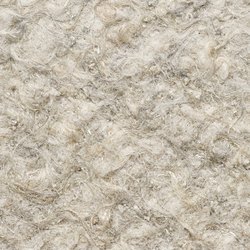
Silk Plaster walls create a soft, sophisticated backdrop that diffuses light beautifully and complements textile displays without competing for attention. The subtle sheen catches light naturally, enhancing color perception of fabrics displayed against it.

Mud Brick walls add organic texture and warmth, particularly effective in showrooms featuring natural fibers, heritage collections, or artisanal textiles. The earthy tones create harmony with warm-toned fabrics and establish a welcoming, authentic environment.
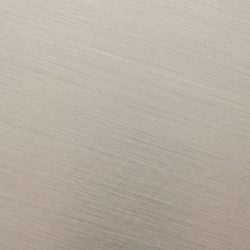
Satin Nickel provides a refined metallic finish that feels contemporary and professional. Its subtle sheen adds sophistication without reflecting too much light, making it ideal for modern and minimalist showrooms where precision and elegance matter.
For flooring, Chemical Resistant Resin and Anti-Static Resin both offer durability and ease of maintenance—critical in high-traffic showroom environments. Anti-Static Resin protects sensitive inventory and electronic displays, while Chemical Resistant Resin handles spills and demanding use with grace.
Tools to Visualize Your Textile Showroom Design
Before committing to major renovations, test your vision. Use AI room redesign for showrooms to preview how each style and material combination transforms your space. Experiment with adding or replacing furniture, virtual decluttering to clear visual noise, and object remover tools to identify your ideal layout. Generate empty room layouts to plan display arrangements before construction begins.
These tools let you try multiple design styles side-by-side, measure customer appeal, and make confident decisions about which direction aligns with your brand and inventory.
Lighting Considerations for Fabric Display
Lighting transforms how customers perceive textile color and texture. Golden hour design styles naturally favor warm, diffused lighting that flatters all fabrics.
Bauhaus and Deconstructivism styles benefit from layered lighting that highlights specific displays and creates visual hierarchy. Avoid harsh overhead lighting that washes out color; instead, use strategic fixtures, natural daylight, and accent lighting to showcase fabric qualities.
Transform your showroom with thoughtfully chosen design styles that work harmoniously with your lighting design.
Practical Layout Tips
- Organize fabrics by color family, texture, or end-use to create visual flow and help customers navigate
- Create focal display areas using architectural elements or lighting to draw attention to new collections
- Maintain adequate space between displays to avoid crowding and allow customers to view textiles clearly
- Use furniture and fixtures that complement your chosen design style while remaining functional for fabric draping and display
- Incorporate seating areas where customers can relax, compare samples, and envision projects
FAQ
Which design style works best for luxury textile showrooms?
Golden Hour and Bauhaus styles convey luxury through warmth and precision respectively. Golden Hour appeals to customers seeking timeless elegance, while Bauhaus attracts those who value sophisticated minimalism and quality craftsmanship.
Can I mix design styles in a large textile showroom?
Yes, different sections can adopt different styles to organize diverse fabric types. For example, one area might feature Shabby style for vintage collections while another showcases Deconstructivism for contemporary lines. Ensure transitions are intentional and materials create visual cohesion.
How do resin floors perform in a busy showroom?
Both Chemical Resistant Resin and Anti-Static Resin are extremely durable, easy to clean, and resistant to staining and spills. They're excellent for showrooms with heavy foot traffic and are more practical than many traditional flooring options while maintaining a premium appearance.
Start Designing Your Textile Showroom Today
Transform your textile showroom from ordinary to extraordinary. Whether you choose the warmth of Shabby, the innovation of Deconstructivism, the universal appeal of Golden Hour, or the refined clarity of Bauhaus, the right design strategy showcases your fabrics beautifully and creates an environment where customers love to browse and buy. Try it free on vividoo.app to preview your textile showroom in multiple design styles before making any real-world changes.