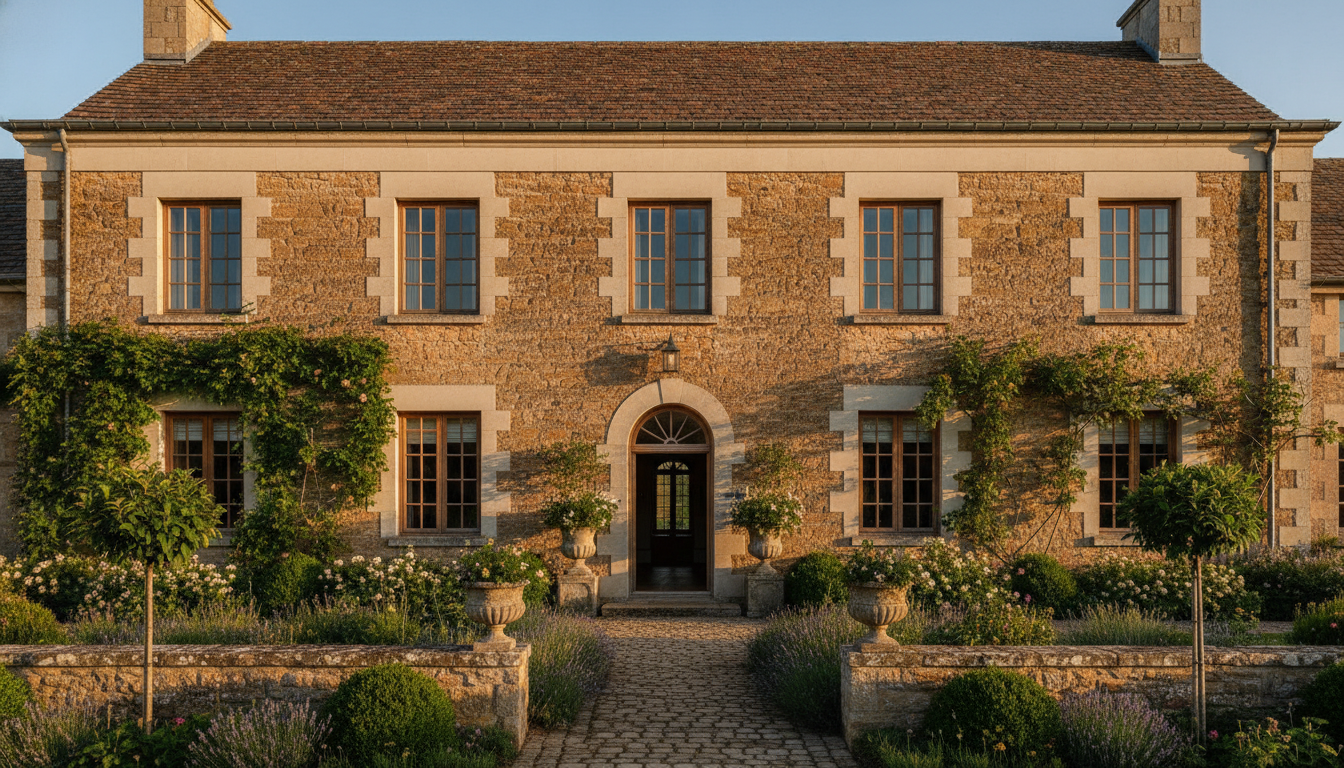
Your home's exterior is the first impression guests receive and a reflection of your personal style. Traditional home exterior design ideas offer a proven path to creating curb appeal that feels authentic, inviting, and enduringly beautiful.
Unlike trends that fade, traditional styling anchors your home in timeless aesthetic principles.
Whether you're refreshing a historic property or bringing classic character to a modern build, understanding traditional design fundamentals helps you make choices that enhance rather than diminish your home's presence. The key lies in balancing authentic materials with thoughtful detail.
What Defines Traditional House Exterior Design
Traditional exterior design draws from established architectural languages developed over centuries. It emphasises proportion, symmetry, and materials that age gracefully, creating homes that feel settled and harmonious within their surroundings.
Traditional styling for house exteriors typically features:
- Symmetrical window and door placement
- Pitched rooflines and defined cornices
- Natural materials that weather authentically
- Restrained colour palettes with neutral bases
- Layered architectural details rather than flat surfaces
The strength of traditional design lies in its restraint. Every element serves both aesthetic and functional purposes, creating facades that feel complete without appearing fussy.
Classic Styles for Timeless Curb Appeal
Several established style directions offer distinctive takes on traditional exterior design. Each brings its own regional character while maintaining core principles of proportion and material authenticity.
Traditional remains the most universal approach, drawing from early American, European farmhouse, and colonial influences. This style works across climates and neighbourhoods, adapting materials and details to local building traditions.
Hacienda styling brings warm, earthy tradition from Spanish colonial architecture. Thick walls, arched openings, and deep colour tones create exteriors with soul and presence, particularly suited to warm climates and properties with generous proportions.
For those seeking contemporary interpretations of traditional principles, Glasshouse and Parametric styles apply classic balance and proportion to modern material vocabularies. These approaches honour traditional design logic while embracing current aesthetic possibilities.
When refining your vision, tools like AI room redesign for House Exterior let you explore how these styles translate to your specific property before committing to changes.
Material & style pairings
| Style | Recommended Material | Why It Works |
|---|---|---|
| Traditional | Sandstone Blocks | Natural stone façade echoes heritage building practices and weathers beautifully over decades, deepening in character with age |
| Hacienda | Off-White Breathable | Breathable plaster allows moisture movement in thick walls, maintains authentic appearance, and suits warm climates naturally |
| Glasshouse | Thermo-Reflective Facade Paint | Modern paint technology reflects heat while maintaining clean contemporary surfaces, blending performance with refined aesthetics |
| Parametric | Wall Inlay | Geometric inlay details complement parametric design language, creating visual rhythm through contemporary yet structured patterns |
Selecting Materials That Age Gracefully
Traditional exterior materials succeed because they improve with time rather than deteriorating. Plaster and natural stone develop patina that enriches appearance. Paint and sealers protect while allowing these materials to express their true character.
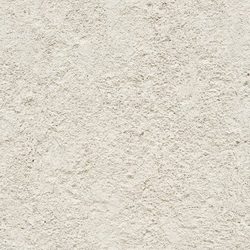
Off-White Breathable plaster works exceptionally well for traditional homes, particularly those in variable climates. Its breathable nature prevents moisture trapping, ensuring longevity while maintaining that soft, hand-finished appearance traditional design demands.
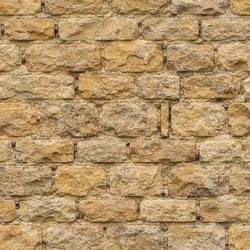
Sandstone Blocks provide authentic masonry character with geological variation that photographs beautifully in natural light. Each block's unique tone and texture create depth, ensuring your exterior never appears monotonous across seasons.
Accent materials like Planter Accent and Wall Inlay add layered detail without overwhelming the composition. These support traditional design's emphasis on thoughtful proportion—creating focal points that guide the eye rather than demanding attention.
Floor & wall materials renovation for House Exterior planning helps you coordinate these elements into a cohesive scheme before implementation, ensuring materials complement rather than conflict.
Colour Theory in Traditional Design
Traditional exteriors typically employ colour theory principles that create harmony through restraint. Neutral bases—creams, greys, warm whites—allow architectural form to emerge as the primary visual interest.
Accent colours appear in trim, doors, or planted elements rather than dominating large surface areas. This hierarchy keeps the design feeling curated and intentional rather than random or dated.
When exploring colour decisions, consider how natural light strikes your property at different times. Morning and afternoon sun reveal different aspects of tone and texture, so view material samples across the full day before finalizing selections.
Bringing Your Vision to Reality
Moving from inspiration to execution requires seeing how styles and materials perform on your specific property. vividoo lets you upload a photo of your house exterior, apply Traditional, Hacienda, Glasshouse, or Parametric styling, and visualize material combinations before engaging contractors.
Beyond styling, you can use add / replace furniture for House Exterior to test landscaping elements, object remover for House Exterior to clear visual clutter, and virtual decluttering for House Exterior to refine the composition until it feels complete.
Related transformations show how these principles work in practice. Explore Red Brick House Exterior Makeover: Transform Before and After and Brick House Exterior Makeover: Before and After Guide to see real-world applications.
FAQ
How do I know if Traditional style suits my home?
Traditional design works across most architectural periods and climates. It particularly suits homes with existing character, those in established neighbourhoods, or properties where you want to emphasise longevity over trend.
If your home already features pitched rooflines, classical proportions, or period details, Traditional styling amplifies these strengths naturally.
What's the difference between Traditional and Hacienda styling?
Traditional draws from multiple heritage sources and works with cool to warm neutrals. Hacienda specifically references Spanish colonial architecture, typically featuring warmer earth tones, thicker perceived walls, and Mediterranean or desert climate aesthetics.
Choose Hacienda if your home's proportions or climate align with that regional tradition.
Can I mix materials across different areas of my exterior?
Yes, strategic material layering creates visual interest while maintaining cohesion. Use one primary material for large façade areas, then introduce complementary materials for trim, accents, or focal points. Façade design success lies in clear hierarchy—viewers should recognize one dominant material and colour story, with secondary elements in support.
Transform Your Home's Exterior Today
Traditional home exterior design ideas provide a framework for creating lasting beauty and genuine curb appeal. By understanding classic styling principles and pairing them with authentic materials that age gracefully, you build an exterior that welcomes inhabitants and visitors while standing confidently against time and trend.
Ready to explore how these ideas suit your specific property? Try it free on vividoo.app—upload your house exterior photo, select a traditional style direction, preview material combinations, and discover your home's full potential in minutes.