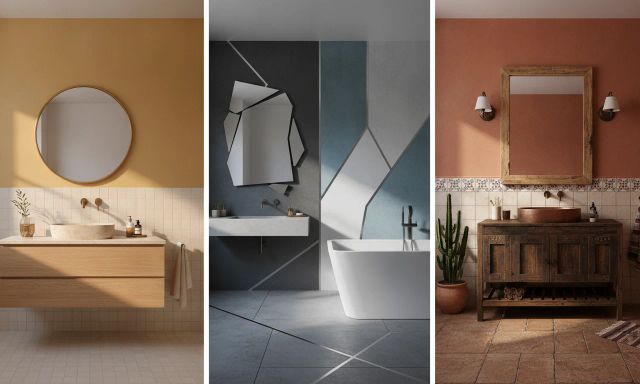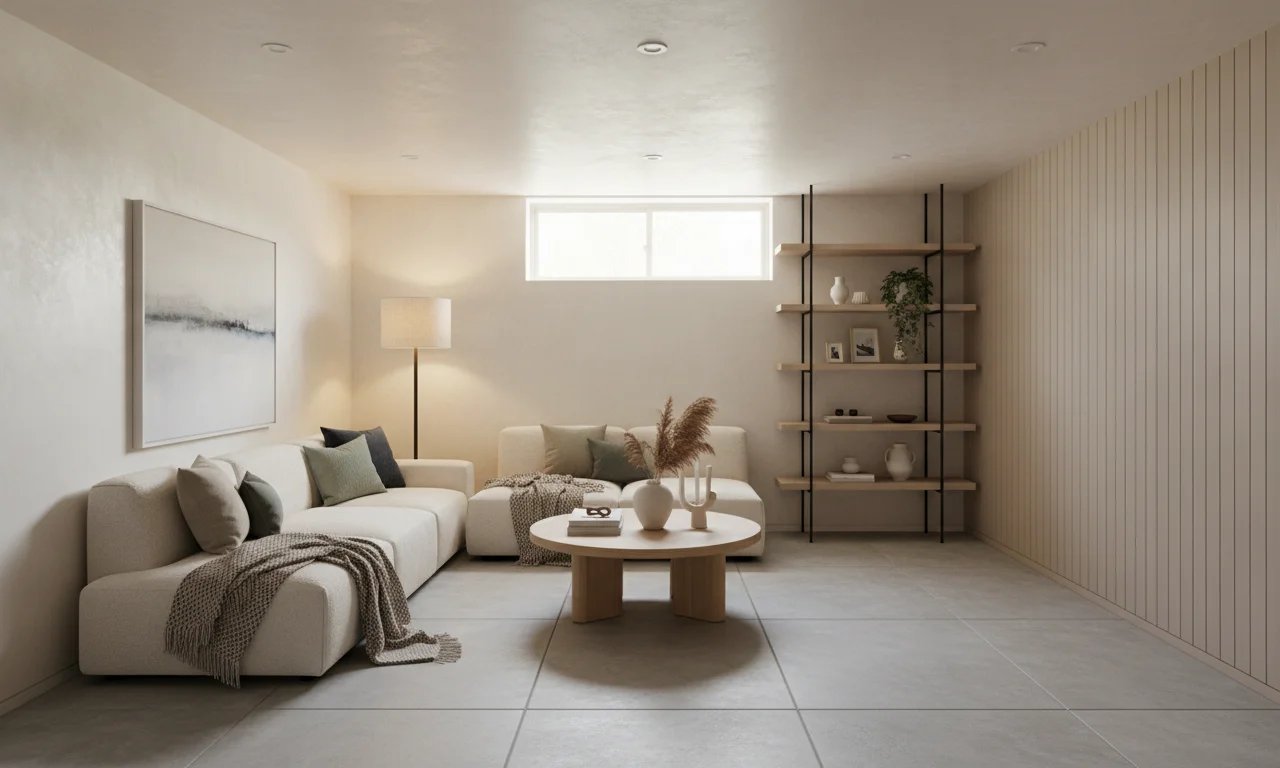
Basement walls often present a unique challenge: they're frequently dark, cool, and feel disconnected from the rest of your home. The right color choice and design approach can completely transform this underutilized space into something warm, inviting, and functional.
Whether you're creating a recreation room, home gym, office, or storage area, understanding how color and style work together is essential.
Why Basement Wall Color Matters
Wall color is one of the most affordable ways to reshape how a basement feels. Light and neutral tones expand visual space, while deeper hues can add sophistication when paired with proper lighting. Color theory teaches us that warm tones advance and create intimacy, while cool tones recede and feel fresh—both have places in basement design depending on your goals.
Beyond aesthetics, the right wall color works with your chosen design style and material selections. Combining color with thoughtful materials like floor and wall materials renovation creates a cohesive, polished result. With AI room redesign for Basement / Cellar, you can test multiple color ideas instantly before committing.
Provence: Soft, Elegant Basement Walls
Provence style brings French countryside charm to basements through soft pastels, rustic textures, and romantic details. Think soft lavender, creamy whites, and muted blues on walls—colors that feel airy without being sterile. This style works beautifully when paired with warm wood floors and distressed finishes that add character to otherwise plain basement spaces.
Provence excels in basements because it softens the typically harsh, utilitarian feel of concrete or bare walls. The color palette naturally brightens dark corners while maintaining a relaxed, lived-in aesthetic. This style suits homeowners seeking a serene retreat or elegant guest suite.
Wabisabi: Embracing Imperfection
Wabisabi design celebrates imperfection, age, and natural materials—a philosophy that reframes basement limitations as features. Walls in muted grays, soft blacks, and weathered neutrals create a contemplative space that feels intentional rather than unfinished. This approach transforms raw basement walls into an aesthetic choice.
Wabisabi pairs naturally with authentic materials like exposed brick or concrete, turning potential eyesores into design highlights. The philosophy suits meditation rooms, creative studios, and minimalist home offices where quiet elegance matters more than cheerfulness.
Deconstructivism: Bold, Modern Basements
Deconstructivism breaks traditional design rules with asymmetrical layouts, contrasting colors, and geometric wall treatments. Basements become dramatic canvases for deep charcoals, strategic accent walls in jewel tones, or bold geometric patterns. This style embraces the basement's industrial bones rather than hiding them.
Deconstructivism works for creative spaces, modern man caves, or contemporary art studios. Wall colors often feature high contrast—perhaps charcoal paired with crisp white trim—and can incorporate wall panelling like Ash Panel for textured depth. This approach transforms a basement from afterthought to conversation piece.
Golden Hour: Warm, Inviting Spaces
Golden Hour style brings the warmth of sunset into interior spaces through rich oranges, warm ambers, terracotta, and honeyed neutrals. Basements bathed in these tones feel cozy and lived-in, particularly effective when natural light is limited. The style creates intimate gathering spaces that feel nothing like stereotypical cold basements.
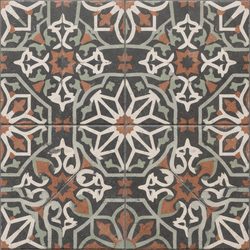
Golden Hour pairs beautifully with warm wood flooring and earthy materials. Consider decorative tiles like Fusion Tile or Cement Tile that echo terracotta and rust tones, reinforcing the warm palette throughout the space. This style suits family rooms, wine cellars, and casual entertaining areas.
Material & Style Pairings
| Style | Recommended Materials | Why It Works |
|---|---|---|
| Provence | Larch Wood, Old Reclaimed Brick | Warm wood and aged brick reinforce European countryside aesthetics and pair with soft wall colors |
| Wabisabi | Ash Panel, Cement Tile | Raw, minimalist materials honor the philosophy of imperfection and natural aging |
| Deconstructivism | Ash Panel, Fusion Tile | Contemporary materials support geometric, contrasting wall treatments and bold color choices |
| Golden Hour | Larch Wood, Fusion Tile | Warm wood and terracotta-toned tiles echo the golden palette on walls |
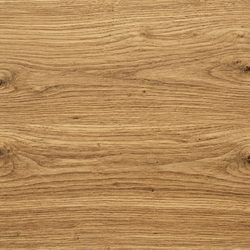
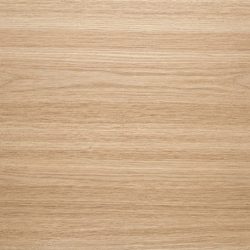
Material Thumbnails
Practical Tips for Choosing Basement Wall Colors
- Assess lighting: Bright LED or natural light allows darker colors; limited light favors pastels and neutrals
- Consider room function: Entertainment spaces benefit from warm tones; offices suit cooler, focused palettes
- Test virtually first: Use AI room redesign to preview colors before painting
- Balance walls with materials: Pair bold wall colors with neutral floors, or vice versa
- Account for moisture: Choose mildew-resistant finishes and colors that hide potential staining
- Declutter first: Use virtual decluttering to identify what stays before finalizing color schemes
FAQ
What's the best basement wall color for small spaces?
Light, cool neutrals like soft white, pale gray, or gentle blue expand visual space in confined basements. Provence's cream and lavender palette also works beautifully without overwhelming small areas. Test colors with AI room redesign first to see how they affect perceived size.
Can dark basement wall colors work?
Yes—dark colors create dramatic, sophisticated spaces in well-lit basements. Deconstructivism and Wabisabi embrace deeper palettes. Pair dark walls with strategic lighting and lighter ceilings to prevent the space from feeling like a cave.
How do I choose between multiple basement styles?
Consider your lifestyle and the room's purpose. Golden Hour suits family gathering; Provence creates elegant retreats; Wabisabi supports creative work; Deconstructivism impresses modern aesthetics. Upload a photo to explore each style with AI room redesign and see which resonates.
Transform Your Basement Today
Your basement doesn't have to remain a cold, uninspired storage area. With thoughtful color choices, cohesive design styles, and quality materials, you can create a space that feels like an intentional extension of your home. Whether you're drawn to the romantic pastels of Provence, the minimalist elegance of Wabisabi, the bold geometry of Deconstructivism, or the warm comfort of Golden Hour, your perfect basement is waiting to be discovered. Try it free on vividoo.app—upload a photo, select your favorite style, and see your basement walls transformed instantly.