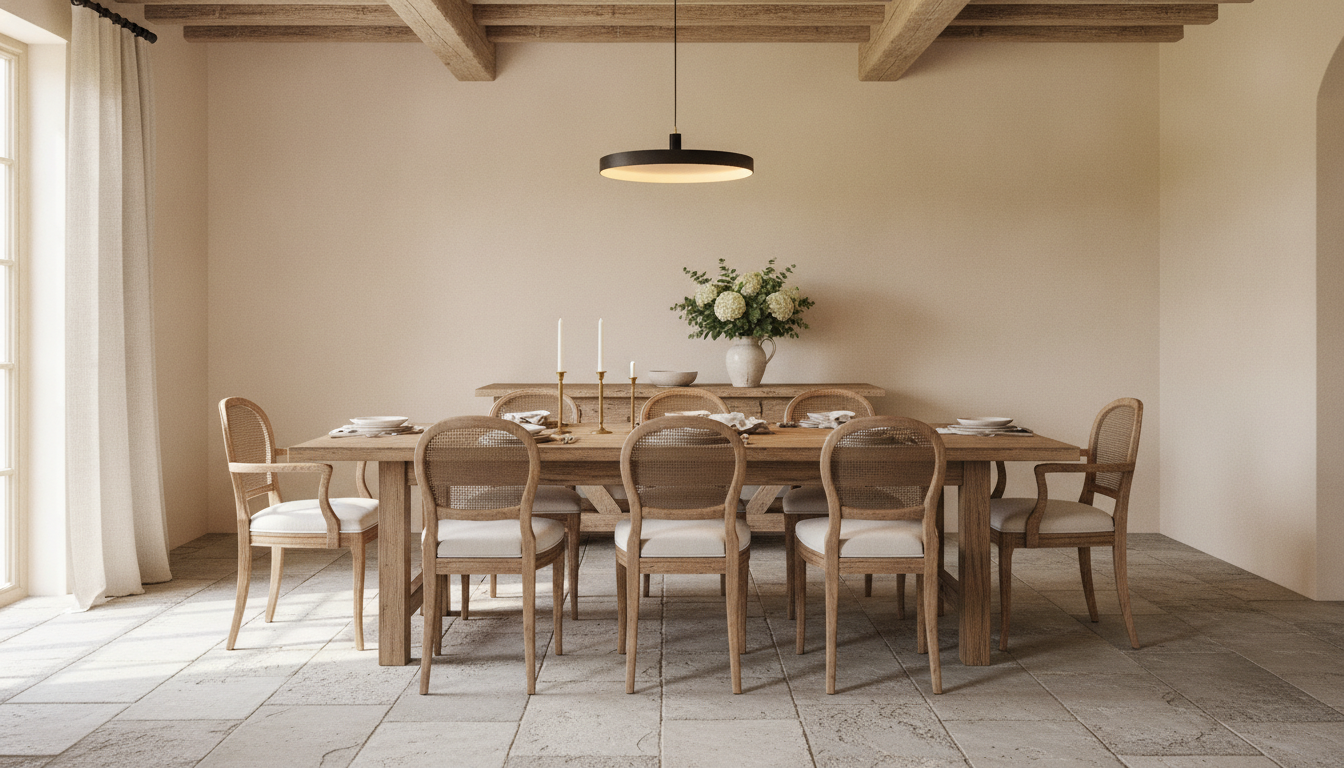
Farmhouse style has become one of the most sought-after design aesthetics for dining spaces, blending rural simplicity with refined comfort. This design approach celebrates natural materials, vintage charm, and a welcoming atmosphere that makes every meal feel like a gathering with family and friends.
What Defines Farmhouse Dining Room Style
Farmhouse dining room style draws inspiration from traditional countryside living, emphasizing authenticity and functionality. The aesthetic prioritizes natural textures, neutral color palettes, and pieces that tell a story through age and character.
Key characteristics include exposed wood elements, vintage or repurposed furniture, soft lighting, and an overall sense of unhurried elegance. Explore how the Farmhouse style transforms dining spaces with its distinctive warmth and timeless appeal.
Core Elements of Farmhouse Design
- Natural wood finishes and reclaimed materials
- Neutral color schemes with warm undertones
- Vintage or antique furniture pieces
- Simple, uncluttered table settings
- Soft ambient lighting from fixtures with character
- Textured upholstery and linen fabrics
The dining table serves as the heart of farmhouse design, often featuring solid wood construction and ample seating for gatherings. Pairing this centerpiece with chairs that showcase mixed materials creates an inviting, eclectic look that feels both curated and lived-in.
Beyond Farmhouse: Exploring Complementary Styles
While Farmhouse dominates the rustic aesthetic, other design philosophies can enhance your dining experience. Wabisabi style embraces imperfection and simplicity, sharing farmhouse values through its appreciation for natural aging and understated beauty. Bohemian design introduces global textures and artistic elements, while Steampunk offers an industrial-meets-vintage twist for those seeking contrast.
Each approach offers distinct possibilities for AI room redesign for your dining room, allowing you to envision your space in different aesthetics before committing to changes.
Material & Style Pairings
| Style | Recommended Materials | Why They Work |
|---|---|---|
| Farmhouse | Teak Plank, Limestone Slab | Warm wood and natural stone echo countryside authenticity and timeless durability |
| Wabisabi | Basalt Finish, Velvet Wall | Weathered concrete and soft textiles celebrate imperfection and peaceful minimalism |
| Bohemian | Velvet Wall, Teak Plank | Rich fabric textures and warm wood create eclectic, globally-inspired warmth |
| Steampunk | Basalt Finish, Silver Leaf Deluxe | Industrial concrete and metallic walls establish an edgy, vintage-modern atmosphere |
Creating Your Farmhouse Dining Room
Transforming your dining room begins with selecting the right flooring and wall materials. Floor and wall materials renovation for your dining room can completely redefine the space's character. Limestone Slab flooring, for example, provides a natural, light foundation that complements farmhouse's organic aesthetic.
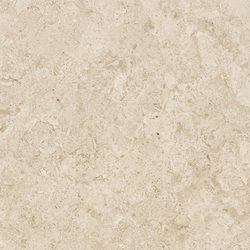
For wall treatments, Velvet Wall introduces sophisticated texture that elevates farmhouse simplicity without compromising its welcoming nature. Alternatively, consider wallpaper designs that evoke vintage charm while maintaining the calm, neutral palette essential to the style.

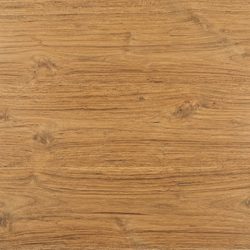
Natural lumber like Teak Plank brings warmth and character to flooring, its grain patterns and honey tones perfectly suited to farmhouse design. This material ages gracefully, developing patina that enhances rather than diminishes its appeal over time.
Furniture and Styling Tips
Add or replace furniture for your dining room with pieces that showcase craftsmanship and authenticity. A solid-wood farmhouse table becomes the focal point, while vintage or reproduction chairs in mixed finishes add layered interest.
Keep styling minimal and purposeful. A simple centerpiece of fresh flowers, natural linens, and candlelight creates an inviting ambiance. Virtual decluttering for your dining room helps you identify which accessories enhance the space and which create unnecessary visual noise.
Perfecting Your Space with Design Tools
The dining room deserves thoughtful curation. If you're working with an existing space, object remover for your dining room allows you to test different configurations without physically rearranging. Empty room generator visualizes your space stripped to its basics, making it easier to plan additions intentionally.
FAQ
What colors work best in a farmhouse dining room?
Neutral, warm tones dominate farmhouse palettes: cream, beige, soft gray, warm white, and muted greens. These create a calm, inviting backdrop for natural materials and vintage accents to shine.
Can I mix farmhouse with other design styles?
Yes. Farmhouse pairs beautifully with Wabisabi's minimalist imperfection or Bohemian's eclectic textures. The key is maintaining the core values of authenticity and comfort while introducing complementary elements thoughtfully.
How do I know if my dining room suits farmhouse style?
Farmhouse adapts to various room sizes and architectural styles. If you appreciate natural materials, vintage charm, and creating a welcoming gathering space, your dining room is a natural candidate for this timeless aesthetic.
Bring Your Vision to Life
Your farmhouse dining room awaits. Begin exploring design possibilities by uploading your space and experimenting with styles and materials on try it free on vividoo.app. Visualize Farmhouse elegance, test complementary materials like Limestone Slab and Teak Plank, and refine your vision before making any real changes.
Related reading: Coastal Dining Room Design Guide, Coastal Dining Room Ideas That Transform Your Space