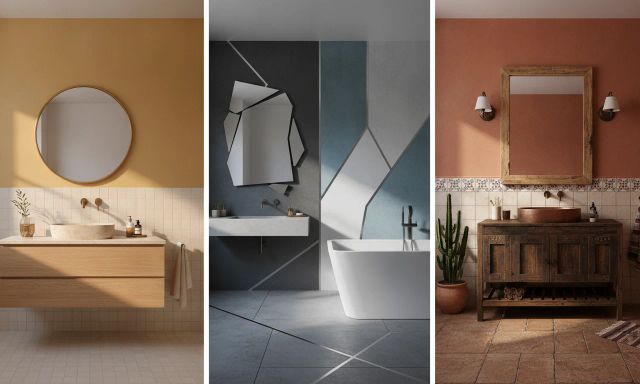
Commercial kitchens need to balance functionality with aesthetic appeal. Whether you're designing a restaurant, café, or catering space, the right decor can transform your environment into a destination that impresses both staff and clients.
Instead of settling for sterile institutional design, modern commercial kitchens are embracing distinctive styles that reflect brand identity and create memorable experiences. Let's explore how different design approaches can elevate your kitchen space.
Why Commercial Kitchen Design Matters
The kitchen is often hidden from view in commercial settings, but it sets the tone for your entire operation. A well-designed kitchen improves workflow, boosts staff morale, and communicates professionalism to your business. Kitchens are increasingly becoming showpiece spaces, with open-concept designs and visible preparation areas becoming industry standards.
Your choice of style and materials directly impacts how clients perceive your brand. A carefully considered design signals attention to detail and investment in quality.
Four Powerful Design Styles for Commercial Kitchens
Different styles work for different commercial contexts. Here are four approaches worth considering:
Maximalism
Maximalism rejects minimalist restraint in favor of bold color, pattern, and texture. This style works beautifully in upscale restaurants, boutique bakeries, and specialty food venues that want to make a statement. Layered textures and rich materials create an immersive atmosphere that encourages lingering and conversation.
Midcentury
Midcentury design brings warm nostalgia and timeless elegance. With clean lines, natural wood, and functional beauty, this style appeals to establishments seeking sophisticated charm. It works particularly well for vintage-inspired cafés and gastropubs that celebrate craftsmanship.
Steampunk
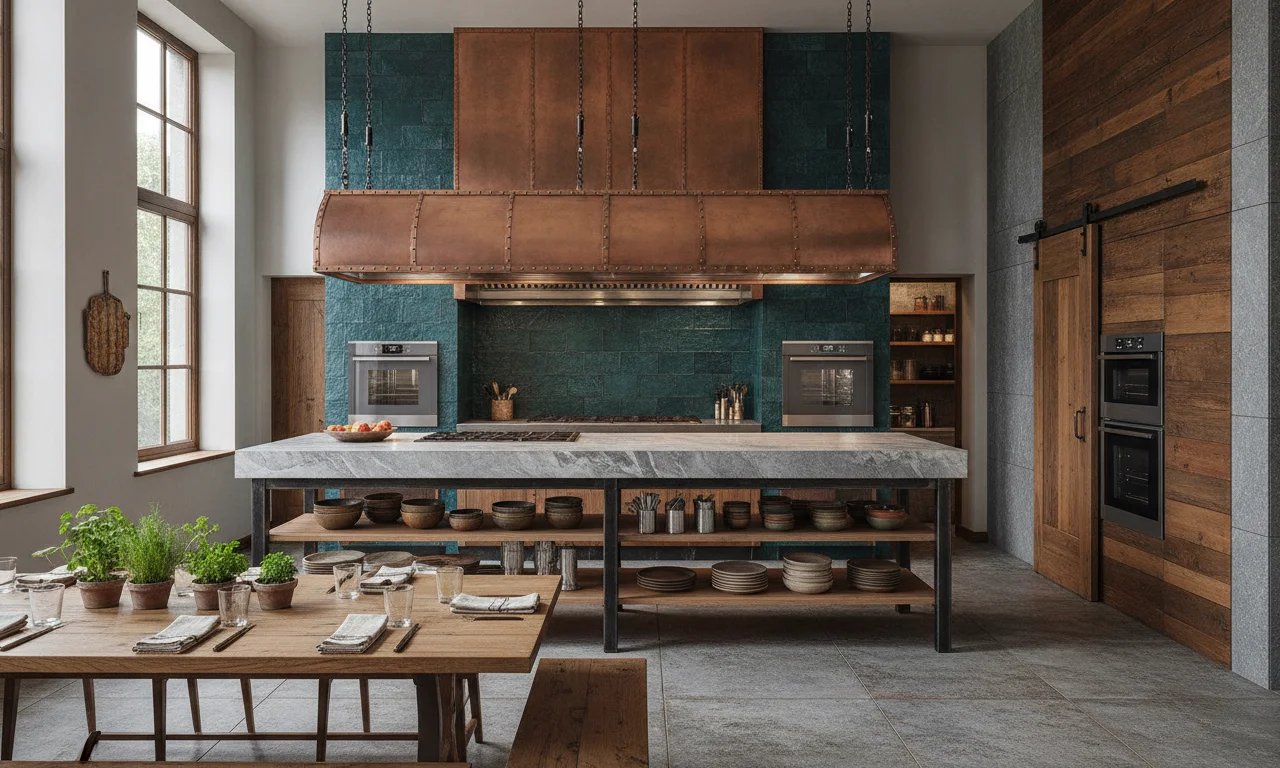
Steampunk combines industrial elements with creative flair, featuring exposed metalwork, reclaimed materials, and vintage machinery aesthetics. This bold approach suits trendy bakeries, craft breweries, and artisanal food spaces seeking visual drama and authenticity.
Colonial
Colonial design brings timeless tradition and established elegance. With warm, earthy tones and classic furnishings, this style conveys heritage and expertise. It's ideal for fine dining establishments, traditional restaurants, and spaces emphasizing history and craftsmanship.
Material & Style Pairings
| Style | Recommended Materials | Why It Works |
|---|---|---|
| Maximalism | Blue Agate (walls), Sage Green Resin (floors) | Jewel tones and bold visual contrast amplify the maximalist aesthetic, creating dramatic impact in open commercial spaces |
| Midcentury | Cedar Panel (walls), Terracotta Sisal (floors) | Warm natural materials echo the era's organic elegance and reinforce the timeless, craft-focused aesthetic |
| Steampunk | Cedar Panel (walls), Terracotta Paver (floors) | Rustic, weathered finishes complement industrial and salvage elements while maintaining durability in high-traffic areas |
| Colonial | Terracotta Paver (floors), Cedar Panel (walls) | Traditional materials create authentic period ambiance while offering practical durability for commercial kitchens |
Transforming Your Commercial Kitchen
Once you've selected a style, the next step is visualization. AI room redesign tools let you see how different styles transform your existing kitchen before committing to changes.
Beyond aesthetics, consider practical updates:
- Floor and wall material renovations anchor your design vision and durability
- Adding or replacing furniture pieces updates functionality and style cohesively
- Object removal eliminates visual clutter before redesign visualization
- Virtual decluttering helps optimize your layout for workflow efficiency
- Empty room generation provides a blank canvas for complete redesign planning



Creating Cohesion Across Your Space
Commercial kitchens rarely exist in isolation. Your design should connect with front-of-house aesthetics, dining areas, and customer touchpoints. Consistency in color palette, material quality, and stylistic language reinforces brand identity throughout the customer journey.
Biophilic design principles can enhance commercial kitchens by incorporating natural materials like cedar panels, creating visual warmth that makes the space feel inviting rather than industrial.
FAQ
How do I choose between these commercial kitchen design styles?
Consider your brand identity, target clientele, and existing architecture. Maximalism attracts bold, design-forward customers. Midcentury appeals to those seeking vintage sophistication. Steampunk draws creative crowds. Colonial conveys tradition and expertise. Test your preference with AI redesign visualization first.
Are these styles practical for high-traffic commercial kitchens?
Absolutely. The recommended materials—blue agate stone, cedar panels, terracotta pavings, and sage green resin—are selected for durability alongside beauty. They withstand heavy use while maintaining visual appeal over time.
Can I renovate my kitchen gradually without closing?
Yes. Many commercial kitchens phase renovations by section. Start with flooring and wall materials during scheduled downtime, then update furniture and fixtures incrementally. Visualization tools help plan your phased approach efficiently.
Start Visualizing Your Commercial Kitchen Today
The right design transforms a purely functional space into an asset that reflects your brand values and creates memorable experiences. Whether you're drawn to the drama of Maximalism, the timeless appeal of Midcentury, the edge of Steampunk, or the tradition of Colonial design, your commercial kitchen can tell your story.
Ready to explore commercial kitchen decor ideas? Try it free on vividoo.app to see how different styles and materials transform your space. Upload your kitchen photo, select your preferred style, and visualize the transformation instantly. For more inspiration on kitchen transformations, explore our guides on kitchen tile makeovers without replacing tiles and how to make kitchen tiles look better without replacing them.