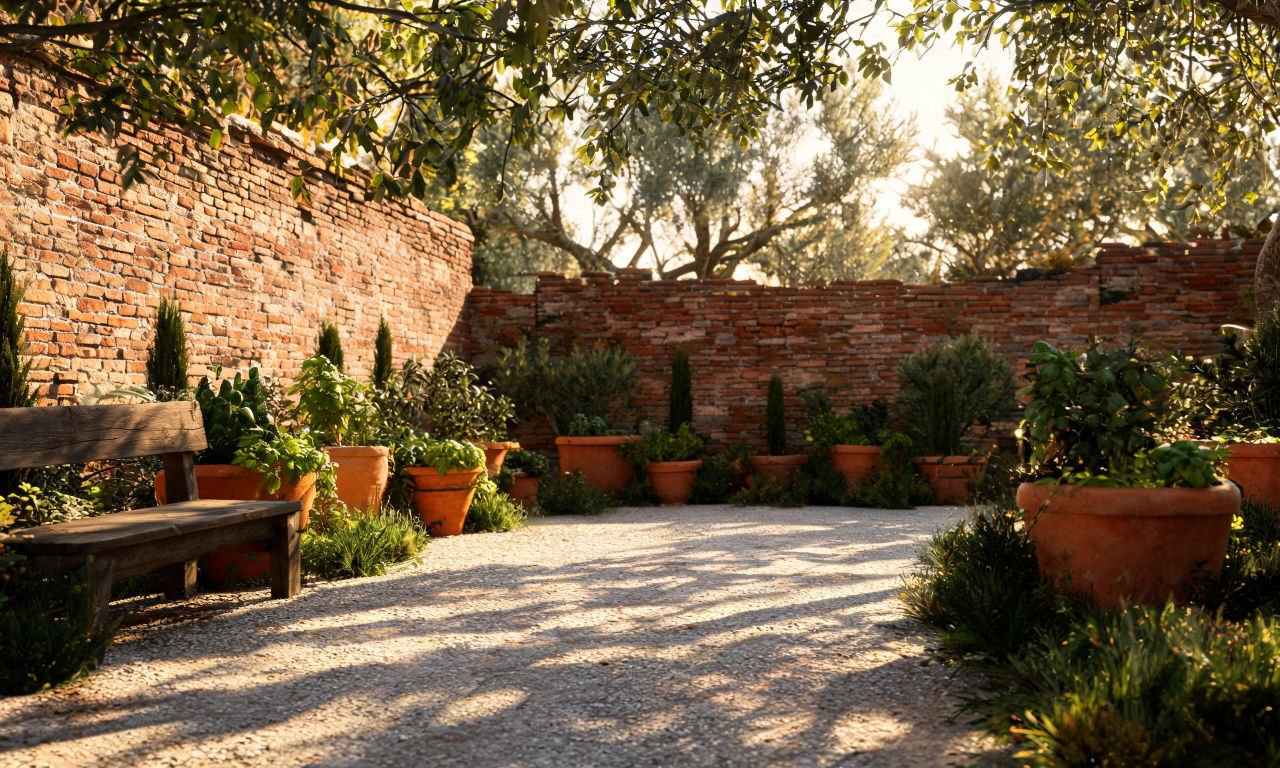
Tuscan garden landscaping evokes the romance, warmth, and timeless elegance of Tuscany. This design approach blends Mediterranean character with practical landscaping, creating outdoor spaces that feel both inviting and authentically European.
Whether you're redesigning a small courtyard or transforming a sprawling yard, Tuscan principles offer endless inspiration.
The Tuscan aesthetic centers on natural materials, earthy colour palettes, and an abundance of greenery—think terracotta, aged stone, and weathered wood combined with fragrant herbs and climbing vines. Understanding these fundamentals helps you plan a cohesive garden that captures the region's timeless appeal.
What Defines Tuscan Garden Design
Tuscan garden design draws from centuries of Mediterranean tradition. It prioritizes harmony between hardscape and softscape, emphasizing warm, sun-soaked atmospheres with abundant natural materials and rusticity rather than polish.
Key characteristics include rustic stone pathways, terracotta pots in varying sizes, formal hedging mixed with informal planting, water features like fountains, and structures such as pergolas and arbours. Tuscan gardens often feel mature and established, even when newly planted.
The colour palette relies on earth tones—ochre, sienna, cream, olive green, and soft grey—with rich accents from flowering plants and foliage.
Unlike formal French gardens or ornate Victorian designs, Tuscan landscaping balances structure with spontaneity. Plants may appear loose and generous, yet the overall layout follows a thoughtful plan. This combination of formality and ease makes Tuscan style accessible to many homeowners.
Tuscan Versus Other Garden Styles
Several distinct garden styles complement or contrast with Tuscan design. Understanding these helps you refine your vision and avoid mixing incompatible aesthetics.
English garden design emphasizes lush greenery, romantic planting combinations, and hidden vistas, often feeling more manicured and cool-toned. Desert landscaping prioritizes drought-resistant plants, minimalist hardscape, and adaptation to arid climates—the antithesis of Tuscany's water-conscious abundance. Japandi gardens, a fusion of Japanese and Scandinavian principles, emphasize zen restraint, asymmetry, and minimal material palettes.
Tuscan style sits between formality and wildness, warmth and timelessness—making it versatile for many climates and property types. If you're drawn to Mediterranean warmth but want to explore alternatives, compare these styles using AI room redesign for Garden / Yard to visualize multiple directions.
Material & Style Pairings
| Style | Materials | Why They Work |
|---|---|---|
| Tuscan | Garden Wall Brick, Aggregate Concrete | Warm terracotta brick echoes Italian countryside architecture; aggregate concrete offers durable, rustic pathways that age gracefully and suit informal planting beds. |
| English | Wood Slats, Look Decking | Natural wood creates soft, organic boundaries; decking adds traditional charm and complements lush perennial borders characteristic of English gardens. |
| Desert | Cage Fence, Aggregate Concrete | Cage fence provides minimalist containment without bulk; concrete tolerates intense sun and requires minimal maintenance in arid zones. |
| Japandi | Wood Slats, Look Decking | Refined wood materials align with Japanese simplicity and Scandinavian naturalism; decking creates clean lines and calm, meditative spaces. |
Essential Materials for Tuscan Landscaping
Choosing the right floor & wall materials for your Garden / Yard is fundamental to achieving authentic Tuscan character. Three materials stand out for their durability, aesthetics, and historical resonance.
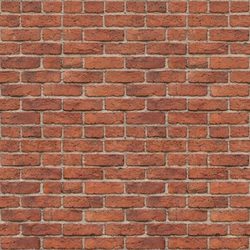
Garden Wall Brick is quintessentially Tuscan. Warm terracotta or aged clay tones create boundaries, raised beds, and architectural features that immediately evoke Mediterranean villas. Brick ages beautifully, developing character and patina that enhance authenticity over years.
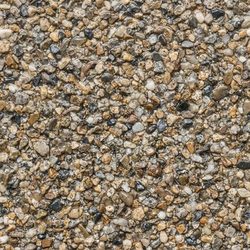
Aggregate Concrete provides practical, rustic pathways and terraces that feel grounded and weathered. Its neutral, speckled surface complements terracotta and stone, absorbing the warm tones of Mediterranean sunlight. Unlike polished concrete, aggregate retains a rough, natural appearance ideal for Tuscan schemes.

Wood Slats work beautifully as pergola or fence infill, creating soft dappled shade and a framework for climbing vines. Weathered wood reinforces the aged, rustic aesthetic central to Tuscan design.
Consider using slats to construct privacy screens or plant supports that frame views and define garden rooms.
When renovating with these materials, prioritize durability and weather resistance. Tuscan gardens are meant to age gracefully, so choose materials that improve with time rather than deteriorate.
Planting & Hardscape Integration
Successful Tuscan landscaping balances built elements with generous planting. Iconic Tuscan plants include Italian cypress, olive trees, lavender, rosemary, and climbing roses. Arrange these around your Garden Wall Brick walls and Aggregate Concrete pathways to create layers of texture and colour.
Formal hedging—often yew or boxwood—defines beds and edges, while informal perennials fill spaces with colour and movement. Water features like stone fountains or simple basins become focal points, reflecting light and providing soothing sounds.
If your existing garden lacks this integration, use add / replace furniture for Garden / Yard to envision benches, pergolas, or sculptural elements. For dramatic transformations, object remover and virtual decluttering tools help you plan which features to keep or remove.
Colour & Lighting in Tuscan Gardens
Tuscan colour palettes draw from colour theory, favouring warm, earthy tones that complement natural landscape design. Ochre, sienna, cream, terracotta, olive, and soft grey create a cohesive, calming backdrop. Accent colours—deep purples from clematis or reds from climbing geraniums—punctuate without overwhelming.
Sunlight is essential to Tuscan character. Position benches and gathering areas to capture morning or afternoon light; allow shadows from trees and structures to define garden rooms.
The interplay of light and shade on Aggregate Concrete pathways and Garden Wall Brick creates dynamic visual interest throughout the day.
FAQ
Can I create a Tuscan garden in a cool or rainy climate?
Yes. While Tuscan design originates in Mediterranean warmth, the aesthetic translates well to temperate zones.
Choose hardy, cold-tolerant alternatives to tender plants (such as columnar junipers instead of cypress), and use warm materials like terracotta brick and weathered wood to anchor the style. The key is capturing the earthy, rustic character through hardscape and structure rather than relying solely on regional plants.
What's the typical cost of installing Tuscan landscaping?
Costs vary widely based on garden size, existing site conditions, and material choices. Quality materials like Garden Wall Brick and natural stone are investment pieces that endure and age beautifully.
Begin with one focal area—a herb garden with raised brick beds or a Aggregate Concrete seating terrace—and expand gradually.
How do I maintain a Tuscan garden long-term?
Tuscan gardens benefit from seasonal pruning, regular weeding, and occasional soil amendment. Established trees and shrubs require minimal intervention. Hardscape elements age gracefully; occasional cleaning preserves character without damaging patina. Proper drainage around Aggregate Concrete and Garden Wall Brick prevents water damage and extends lifespan.
Transform Your Garden with Tuscan Design
Tuscan garden landscaping offers timeless beauty, authentic character, and practical elegance. By combining warm materials like Garden Wall Brick and Aggregate Concrete with generous planting and thoughtful spatial planning, you can create an outdoor sanctuary that feels both European and deeply personal.
Ready to reimagine your space? Explore Tuscan Garden Design Ideas: Styles & Materials for deeper inspiration, or compare multiple styles side-by-side. Try it free on vividoo.app—upload a photo of your Garden / Yard, select the Tuscan style, choose your materials, and see your landscape transformed in seconds. No design experience needed; just vision and a willingness to embrace Mediterranean warmth.