A bedroom is more than just a place to sleep—it's a personal sanctuary that must balance comfort, functionality, and style. Understanding bedroom design requirements helps you create a space that truly works for your lifestyle while reflecting your aesthetic preferences.
Whether you're starting from scratch or reimagining an existing bedroom, knowing the core elements that define successful bedroom spaces ensures your design serves both practical and emotional needs.
Core Bedroom Design Requirements
Every functional bedroom needs adequate lighting, climate control, storage, and clear zones for sleeping, dressing, and relaxation. Proper furniture placement, adequate floor space for movement, and acoustic considerations all contribute to a room that feels both restful and practical.
- Comfortable sleeping area with appropriate bed sizing
- Adequate natural and artificial lighting
- Sufficient storage for clothing and personal items
- Clear traffic flow and open floor space
- Temperature and humidity control
- Window treatments for privacy and light control
- Surfaces for daily essentials (nightstands, dresser)
Use AI room redesign tools to test whether your layout meets these fundamental requirements before committing to changes.
How Design Styles Address Bedroom Requirements
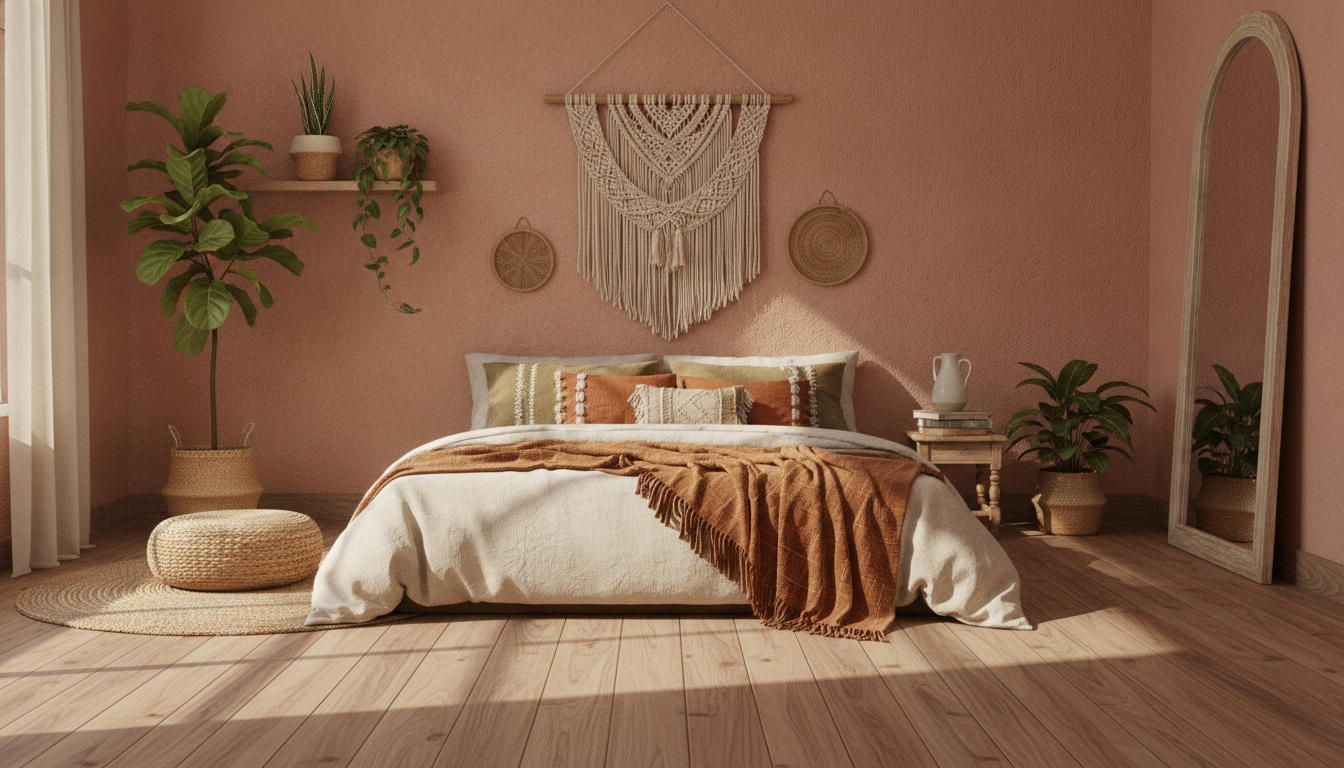
Different design philosophies approach these requirements in unique ways. Bohemian style prioritizes emotional comfort and self-expression through layered textures and curated collections. Midcentury design emphasizes clean lines and functional furniture that maximizes usable space. Brutalism focuses on raw materials and bold structural elements. Fengshui arranges the room to optimize energy flow and mental clarity.
Each approach fulfills the same basic requirements but through different aesthetic and spatial strategies. Bohemian design embraces eclectic collecting, while midcentury modern strips away excess. Brutalist architecture principles apply raw textures and honest materials.
Material & Style Pairings
| Style | Recommended Materials | Why They Work |
|---|---|---|
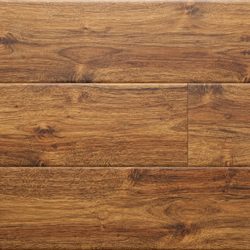
| Bohemian | Terracotta Blush (Wall), Acacia Plank (Floor) | Warm, natural tones create an inviting, earthy sanctuary that feels collected and lived-in |
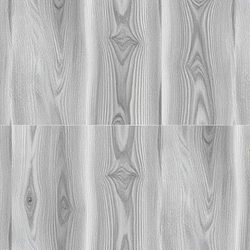
| Midcentury | Matte Finish Designer Vinyl (Floor), Grey Wood (Floor) | Clean, minimalist flooring supports the style's emphasis on form and function without visual clutter |
| Brutalism | Corrugated Iron (Wall), Grey Wood (Floor) | Raw, industrial materials emphasize structural honesty and bold visual impact |
| Fengshui | Acacia Plank (Floor), Terracotta Blush (Wall) | Natural wood and warm earth tones promote balance, grounding, and positive energy flow |
Material Considerations for Bedrooms
Bedroom flooring and wall finishes directly impact comfort and atmosphere. Floor and wall material selection affects temperature regulation, sound absorption, and visual warmth. Acacia Plank flooring provides natural warmth and durability, while Grey Wood offers contemporary neutrality. Terracotta Blush walls create psychological comfort through warm colour psychology.

Paint selection and tile choices influence both aesthetics and practicality. Test material combinations using renovation visualization tools before purchasing.
Spatial Planning and Functionality
Bedroom design requirements include thoughtful furniture placement and traffic flow. The bed typically anchors the room, while secondary pieces—dressers, nightstands, seating—must be positioned for accessibility without blocking natural movement.
Add or replace furniture to test layouts virtually. Virtual decluttering helps identify unnecessary items that consume precious floor space. Remove objects to preview a cleaner aesthetic. Generate an empty room to plan fresh from a blank canvas.
Aesthetic Coherence Across Styles
Successful bedroom design maintains visual and functional harmony. Bohemian bedrooms layer textures and incorporate wood elements for warmth. Midcentury spaces prioritize geometric clarity and uncluttered surfaces. Brutalist rooms celebrate material authenticity.
Fengshui design balances opposing forces through thoughtful spatial arrangement. Explore wood design applications and wall decor possibilities across different aesthetic approaches. Consider comprehensive wood design strategies when planning your scheme.
Colour theory guides palette selection across all styles, ensuring psychological comfort and visual balance.
FAQ
What are the minimum bedroom design requirements?
Every bedroom needs a sleeping surface, storage for clothing, adequate lighting, climate control, and clear floor space for safe movement. Beyond these essentials, your style preference determines how those requirements are aesthetically expressed.
Can different design styles meet the same functional requirements?
Yes. Bohemian, Midcentury, Brutalism, and Fengshui all successfully address bedroom needs through different aesthetic approaches. Each style fulfills storage, comfort, and spatial requirements while expressing distinct visual philosophies.
How do materials impact bedroom comfort?
Materials affect temperature regulation, sound absorption, visual warmth, and tactile comfort. Natural materials like Acacia Plank promote grounding, while wall finishes like Terracotta Blush influence mood and perceived spaciousness.
Transform Your Bedroom Today
Understanding bedroom design requirements empowers you to make intentional choices that balance beauty and functionality. Whether you're drawn to Bohemian warmth, Midcentury clarity, Brutalist rawness, or Fengshui harmony, these foundational principles apply. Test your design vision risk-free by uploading a photo, selecting your style and materials, and visualizing the transformation. Try it free on vividoo.app and discover how your bedroom can become both beautiful and perfectly suited to your life.