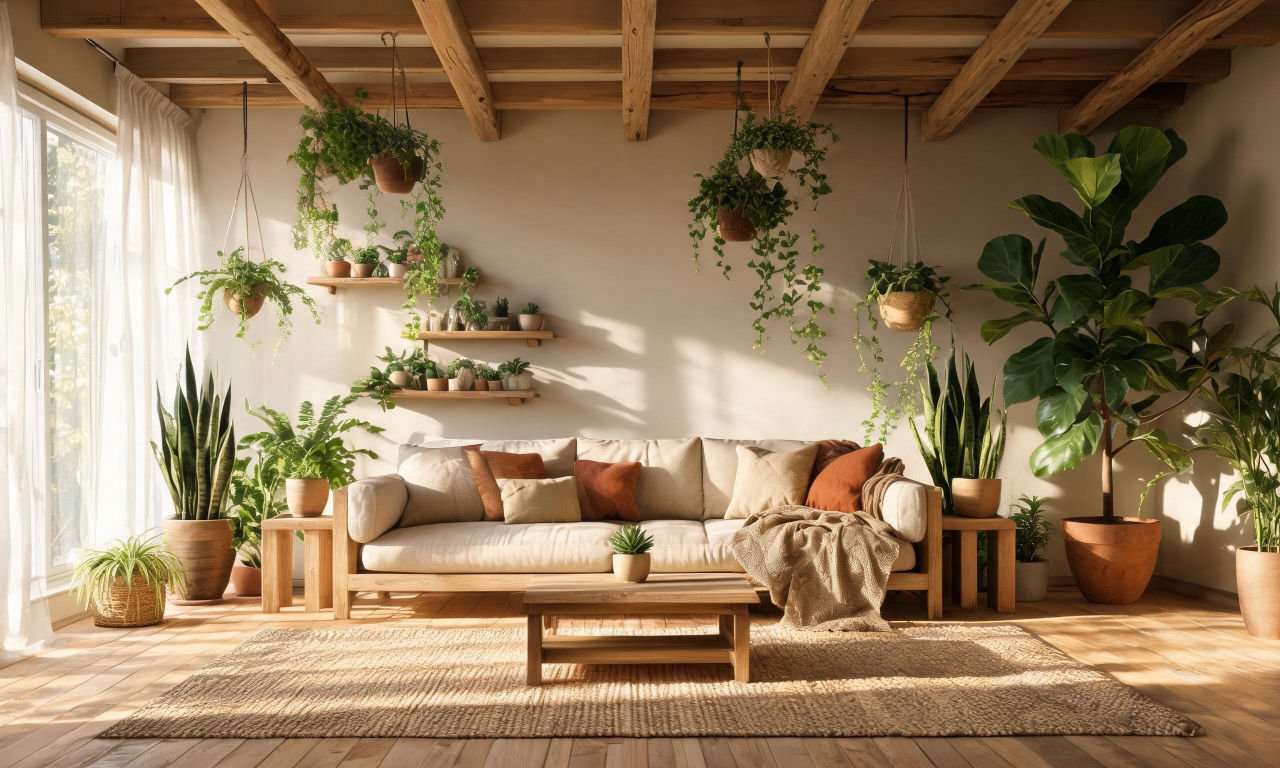
Biophilic design—the practice of incorporating natural elements and nature-inspired patterns into indoor spaces—has become increasingly essential for modern living rooms. As we spend more time indoors, our connection to nature diminishes, impacting our mental health, stress levels, and overall wellbeing. Biophilic design in living rooms directly addresses this disconnect by bringing the healing power of nature into the heart of our homes.
The Science Behind Biophilic Design
Research consistently demonstrates that exposure to natural elements reduces stress, improves focus, and enhances emotional resilience. When living rooms incorporate natural materials and textures through renovation, inhabitants experience measurable improvements in mental clarity and relaxation. Plants, natural light, wood textures, and water features all trigger a calming response in our nervous systems.
The concept extends beyond mere aesthetics. Indoor air quality improvements from live plants and natural ventilation create healthier breathing environments. Living rooms designed with biophilic principles often feature better air circulation and reduced toxin levels, contributing to long-term respiratory health.
Key Benefits of Biophilic Living Rooms
- Mental Health Enhancement: Natural elements reduce anxiety and depression symptoms
- Improved Sleep Quality: Exposure to natural light cycles regulates circadian rhythms
- Enhanced Creativity: Nature-inspired environments stimulate creative thinking
- Better Air Quality: Plants naturally filter indoor air pollutants
- Increased Property Value: Biophilic spaces appeal to modern homebuyers
- Reduced Energy Costs: Strategic plant placement and natural light minimize artificial lighting needs
Implementing Biophilic Design in Your Living Room
Creating a biophilic living room doesn't require complete redesign. Start by exploring AI room redesign options that incorporate natural materials and patterns. Consider adding living walls of plants, increasing access to natural light, and selecting furniture made from sustainable wood and textiles.
Add or replace furniture with pieces that feature natural finishes and organic shapes. Incorporate water features like small fountains, natural stone elements, and botanical artwork to deepen the connection to nature. Even simple interventions like opening curtains, adding potted plants, or installing wooden shelving create measurable biophilic impact.
Virtual decluttering can help you create the calm, organized foundation that biophilic spaces require. A streamlined room allows natural elements to take center stage without visual competition.
Biophilic Styles and Complementary Approaches
Biophilic style pairs beautifully with other nature-conscious design movements. Japandi design combines Japanese minimalism with Scandinavian warmth, creating serene biophilic spaces emphasizing natural materials and open floor plans.
Poolside Resort style embraces tropical biophilic elements including lush plantings, water features, and warm natural tones. Nouveau design incorporates organic curves and botanical motifs inspired directly by nature. Even Shabby style, with its emphasis on natural textures and aged materials, respects biophilic principles by celebrating authentic, earthy elements.
Material & Style Pairings
| Style | Recommended Materials | Why It Works |
|---|---|---|
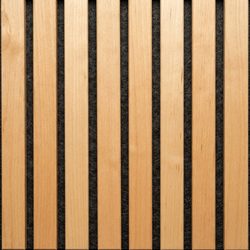
| Biophilic | Maple Slat, Patchwork Wool | Raw wood and natural fibers directly evoke forest and earth textures, deepening nature connection |
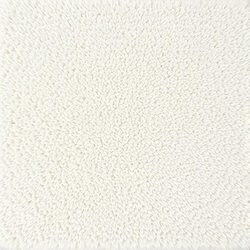
| Poolside Resort | White Bouclé, Biscuit Cream | Soft, light textures mimic sand and stone, complementing tropical biophilic aesthetics |
| Nouveau | Maple Slat, Minimalist Gray | Organic wood paired with neutral grounds allows botanical motifs and natural curves to dominate |
| Shabby | Patchwork Wool, Biscuit Cream | Weathered, natural textures celebrate authentic materials and time-worn biophilic authenticity |

Beyond Style: Creating Holistic Biophilic Spaces
Color theory supports biophilic design through earth tones, greens, and blues that mirror nature. Walls painted in warm neutral shades like Biscuit Cream create calm backgrounds for natural elements to flourish. Flooring and wall material renovation using natural options such as Maple Slat paneling or Patchwork Wool textiles intensifies the biophilic experience.
Sound, scent, and texture all contribute to biophilic environments. Consider adding a small water feature for soothing sounds, maintaining potted herbs for natural fragrance, and selecting textiles with varied tactile qualities to fully engage the senses.
FAQ
How quickly can biophilic design reduce stress?
Studies show measurable stress reduction within minutes of viewing or entering biophilic spaces. Regular exposure amplifies these benefits, creating lasting improvements in baseline anxiety and mood over weeks.
Can renters implement biophilic design?
Absolutely. Portable solutions like potted plants, removable wallpaper, and rearrangeable furniture allow renters to create biophilic living rooms without permanent changes. Object removal tools can help visualize spaces before making decisions.
What's the most affordable way to start?
Begin with live plants, opened curtains for natural light, and rearranged furniture to create sightlines to nature views. These zero-cost or low-cost interventions provide immediate biophilic benefits. Explore 10 stunning living room ideas for budget-friendly inspiration.
Transform Your Living Room Today
Biophilic design is no longer a luxury trend—it's essential for creating healthy, restorative homes. Whether you're drawn to the earthy authenticity of Biophilic style or the tropical warmth of Poolside Resort aesthetics, nature-inspired living rooms dramatically improve quality of life. Try it free on vividoo.app to explore how biophilic design transforms your living room, experiment with different styles and materials, and visualize your nature-connected sanctuary before making changes.