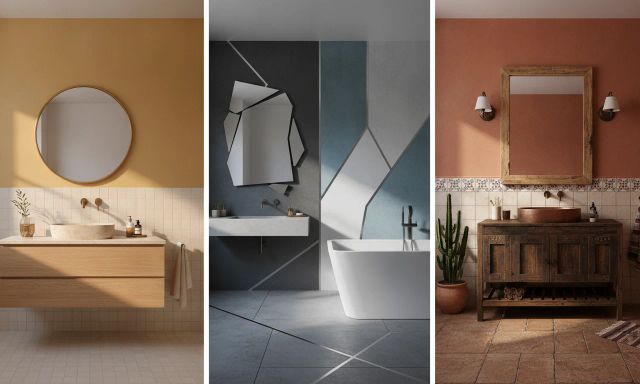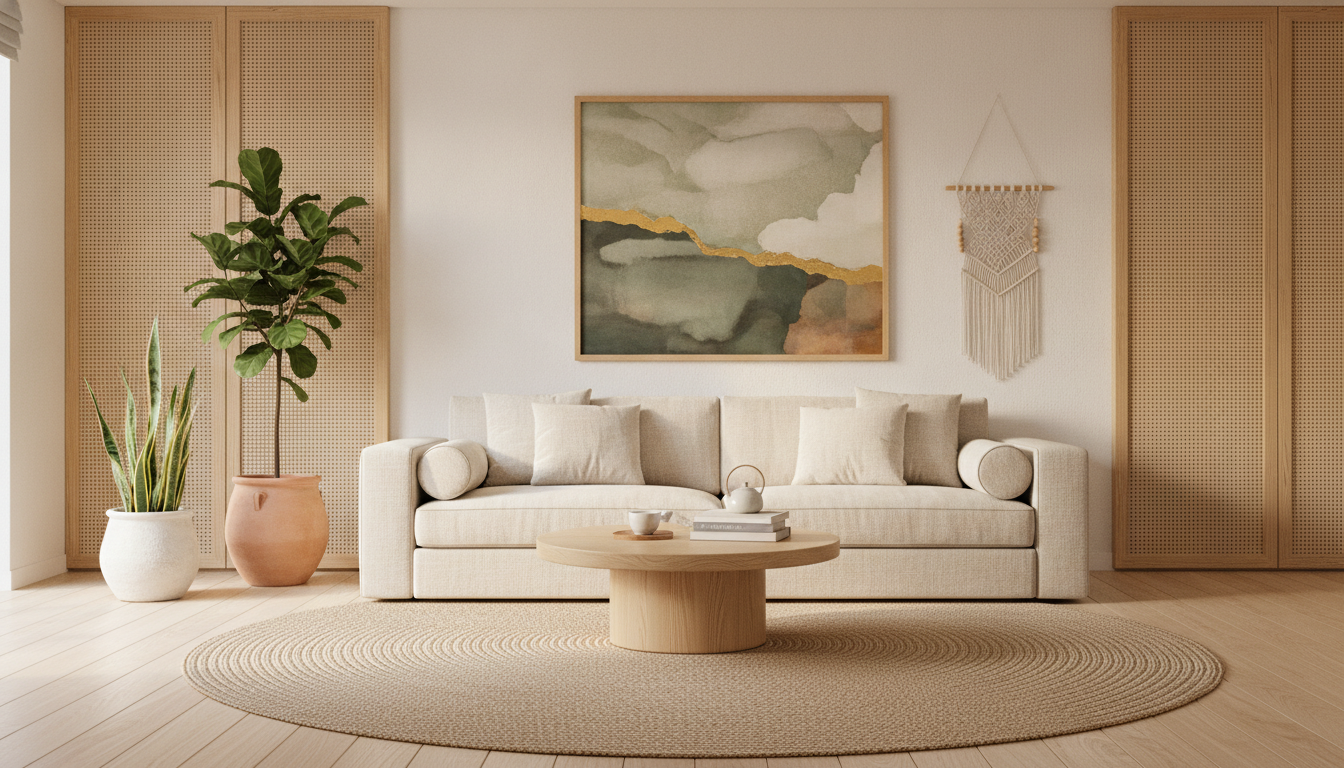
Your living room serves as the heart of your home, and incorporating wood shop design principles transforms it into a space that balances beauty with function. Whether you're drawn to minimalist aesthetics or bold architectural statements, natural wood materials offer warmth and character that endure across design trends.
The key to successful wood-focused living room design lies in understanding which materials and styles complement your vision. This guide explores how to blend natural lumber and refined wood elements with contemporary design movements.
Why Wood Works in Living Room Design
Wood brings timeless appeal to any interior space. It creates visual warmth while offering structural integrity and durability that synthetic alternatives cannot match. When paired with intentional design styles, wood becomes the foundation of cohesive, sophisticated living environments.
Beyond aesthetics, wood materials connect us to natural environments. This biophilic design approach enhances comfort and creates spaces where people genuinely want to spend time. Strategic use of wood accents or complete floor and wall materials renovation can entirely redefine your living room's character.
Four Distinct Styles for Wood-Focused Living Rooms
Different design movements offer unique approaches to incorporating wood into your living room. Each style brings its own philosophy to material selection and spatial arrangement.
Zen Living Rooms
Zen design emphasizes balance, simplicity, and natural harmony, drawing inspiration from feng shui principles. Wood in zen spaces appears in subtle forms—minimal furniture, clean lines, and unfinished or light-stained wood that celebrates material authenticity.
Brutalism Living Rooms
Brutalism embraces raw materials and bold geometric forms. Dark, heavy wood elements create dramatic focal points, while brutalist design often pairs timber with concrete and stone for striking visual contrast.
Deco Living Rooms
Deco style channels glamour through geometric patterns and precious materials. Wood appears as polished veneers, inlays, and statement pieces, drawing from Art Deco traditions of luxury and craftsmanship.
Tropical Living Rooms
Tropical design celebrates exotic wood tones, woven textures, and organic forms. Light, vibrant wood finishes combined with natural fibers create vacation-inspired sanctuaries that feel alive and welcoming.
Material & Style Pairings
| Style | Recommended Materials | Why They Work |
|---|---|---|
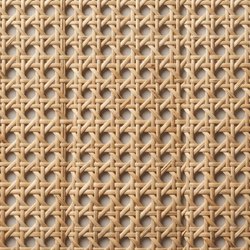
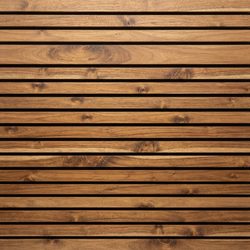
| Zen | Rattan Webbing, Acacia Slat | Light, natural textures that promote calm and visual simplicity without overwhelming the space |
| Brutalism | Ebony Wood, Granite Sett | Dark, dense materials that create visual weight and architectural drama at scale |
| Deco | Ebony Wood, Honey Onyx | Luxurious, high-contrast surfaces that showcase geometric patterns and refined craftsmanship |
| Tropical | Acacia Slat, Rattan Webbing | Warm wood tones and woven elements that evoke natural landscapes and outdoor living |
Visualizing Your Wood-Focused Living Room
Before committing to major changes, explore your design vision using AI-powered tools. Room redesign technology lets you preview how different wood materials and styles transform your existing space. You can experiment with adding or replacing furniture, test floor and wall material combinations, or use virtual decluttering to refine your vision before purchasing anything.
Material samples matter. Notice how Ebony Wood appears dramatically different under various lighting conditions compared to lighter Acacia Slat. Rattan Webbing creates textural depth that photographs reveal more effectively than imagination alone.

Practical Implementation Tips
- Start with one accent wall or floor section before committing to full room coverage
- Balance dark wood with lighter wall colors to prevent spaces from feeling cave-like
- Mix wood textures—smooth finishes with woven or slat surfaces create visual interest
- Consider natural light patterns; some wood finishes show grain detail better in specific lighting
- Use object removal tools to clear visual clutter and see materials more clearly in your space
FAQ
What wood materials work best for living rooms with limited natural light?
Lighter woods like Acacia Slat and Rattan Webbing reflect available light and prevent dark spaces from feeling cramped. Matte finishes work better than high-gloss in low-light conditions, reducing glare while maintaining visual warmth.
Can I combine multiple wood design styles in one living room?
Yes, but intentionality matters. Zen and Tropical styles both embrace natural materials and can blend harmoniously. Brutalism and Deco require careful balance since both use bold visual statements; mixing them typically requires a unifying color palette or architectural feature.
How do I know if wood shop design suits my living room before investing?
Use AI room redesign tools to test styles and materials virtually. Try the empty room generator to see your space without existing clutter, giving you a clearer canvas for visualizing new materials and layouts.
Explore More Living Room Design Inspiration
Ready to transform your space? Read about glass shop design ideas for living rooms or discover how to transform your living room with design styles that matter for additional perspectives on creating sophisticated interiors.
Your wood-focused living room awaits. Start by trying it free on vividoo.app—upload a photo of your living room, choose your preferred style and materials, and see your space reimagined in seconds. No design experience needed.