
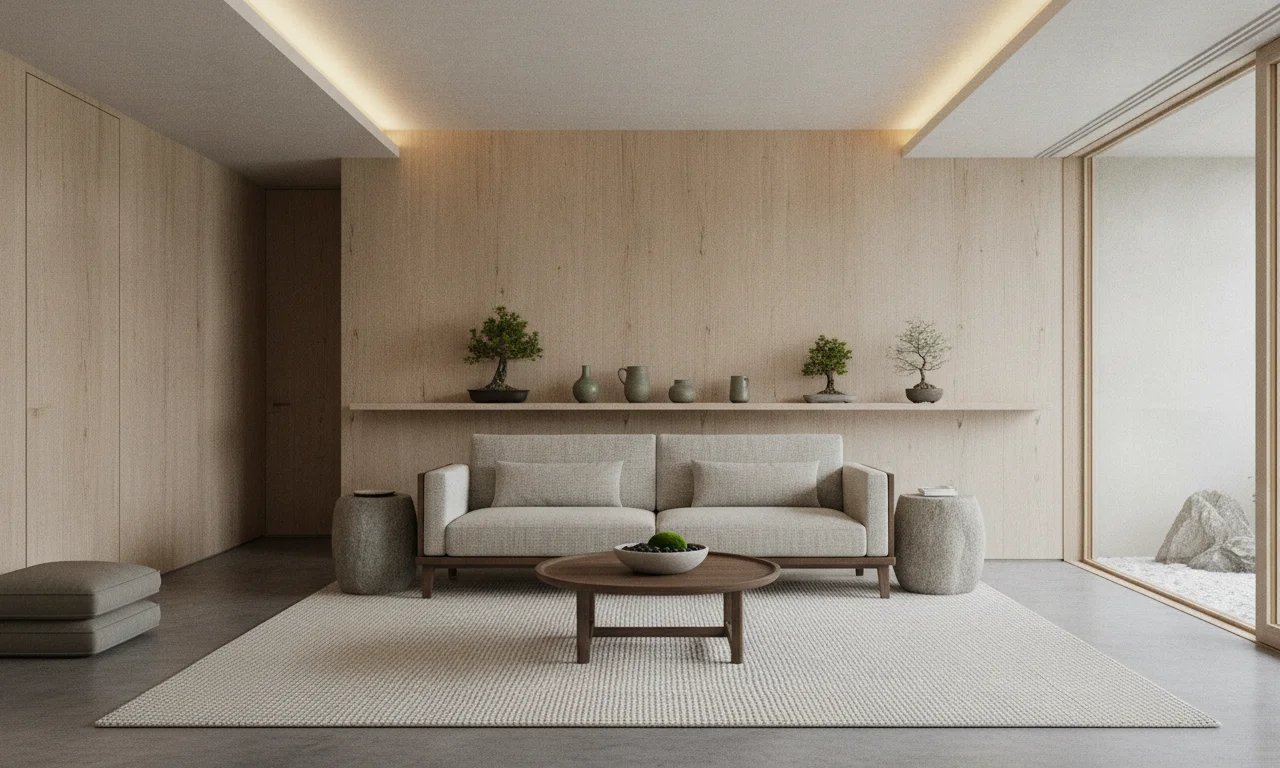
Creating a zen living room means designing a sanctuary where calm, balance, and mindfulness become the foundation of everyday comfort. Zen style embraces simplicity, natural materials, and intentional spacing to transform any living room into a peaceful retreat.
What Makes a Zen Living Room Unique
Zen design draws from feng shui principles that emphasize harmony between occupants and their environment. The philosophy prioritizes open floor plans, minimal clutter, and thoughtful furniture placement that encourages airflow and mental clarity.
Unlike styles that demand visual abundance, zen living rooms celebrate what's essential. Each piece serves a purpose, and negative space becomes as valuable as the objects filling it. This restraint creates an atmosphere where your mind can rest and recharge.
Core Elements of Zen Living Room Design
Successful zen spaces rely on several consistent design principles:
- Natural materials: Wood, stone, and unfinished textiles ground the space in authenticity
- Neutral color palettes: Soft grays, warm whites, and muted earth tones create visual calm
- Minimal furniture: Purposeful pieces with clean lines replace decorative clutter
- Natural light: Large windows and strategic plant placement enhance airflow and serenity
- Intentional decor: A single art piece or plant display replaces maximalist arrangements
The goal is a room where every element supports relaxation rather than distraction. AI room redesign tools can help you visualize how zen principles transform your existing living room layout.
Flooring & Wall Materials for Zen Spaces
Choosing the right flooring and wall materials is essential for establishing the zen aesthetic. Natural textures underfoot and on walls create tactile warmth while maintaining visual simplicity.
High-Pile Charcoal flooring provides a soft, grounding surface that feels luxurious without visual noise. Its neutral tone anchors the room while the tactile quality invites bare feet and encourages a sensory connection to the space. Pair this with Thermal Wood wall panelling, which introduces organic warmth through natural grain patterns. Wall panelling creates subtle visual interest while maintaining the calm aesthetic.

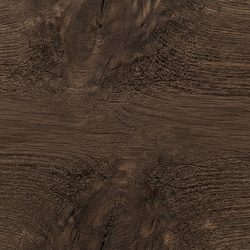
For a more minimalist approach, Micro Terrazzo tile flooring offers a refined, speckled surface with understated visual texture. Terrazzo materials have been valued for centuries in serene architectural spaces, bringing both durability and aesthetic refinement.
Beyond Zen: Exploring Other Styles for Your Living Room
While zen dominates when seeking calm, other styles offer distinct living room personalities. Midcentury design balances organic forms with functional elegance, drawing from mid-century modern principles. Nouveau style introduces flowing, nature-inspired curves and decorative details.
For bolder tastes, Steampunk living rooms celebrate industrial elements, exposed materials, and vintage machinery aesthetics—a dramatic contrast to zen's minimalism.
Material & Style Pairings
| Style | Recommended Materials | Why They Work |
|---|---|---|
| Zen | High-Pile Charcoal, Thermal Wood | Natural textures support calm and grounding sensations without visual complexity |
| Midcentury | Micro Terrazzo Tile, Persian Distressed | Refined geometric patterns and warm textiles echo vintage design authenticity |
| Nouveau | Thermal Wood, Persian Distressed | Organic wood grain and decorative textiles complement flowing, nature-inspired curves |
| Steampunk | Concrete Panel, Micro Terrazzo Tile | Concrete and industrial tiles create raw, utilitarian character |
Tools to Perfect Your Zen Living Room Vision
Designing a zen space requires seeing how elements work together before committing. Add or replace furniture digitally to test layouts and find the arrangement that maximizes calm. Virtual decluttering helps you identify what truly serves your space and removes visual noise.
If starting fresh, empty room generator tools visualize the space in its purest form, making it easier to build zen design from the ground up. Object remover tools eliminate distractions from your current room, letting you focus on spatial flow.
FAQ
What's the difference between zen and minimalist living room design?
Zen incorporates minimalism but adds warmth through natural materials, plants, and intentional focal points. Minimalism can feel stark; zen aims for serene comfort through balanced simplicity.
Can I mix zen with other styles like midcentury or nouveau?
Yes. Midcentury's clean lines align with zen principles, while selective nouveau elements can add organic character without overwhelming the space. Keep the foundation zen and blend thoughtfully.
How do materials like High-Pile Charcoal and Thermal Wood impact the zen feeling?
Natural textures engage your senses positively, creating a tactile connection to the space. Soft flooring underfoot and warm wood walls reduce stress and reinforce the sanctuary atmosphere essential to zen design.
Start Your Zen Living Room Transformation
Building the zen living room of your dreams starts with visualization. Whether exploring pure zen design or blending it with steampunk, nouveau, or other styles, seeing your space reimagined before making changes reduces risk and boosts confidence. Try it free on vividoo.app to upload your living room photo, select zen style, choose floor and wall materials like High-Pile Charcoal and Thermal Wood, and instantly see your serene sanctuary come to life.