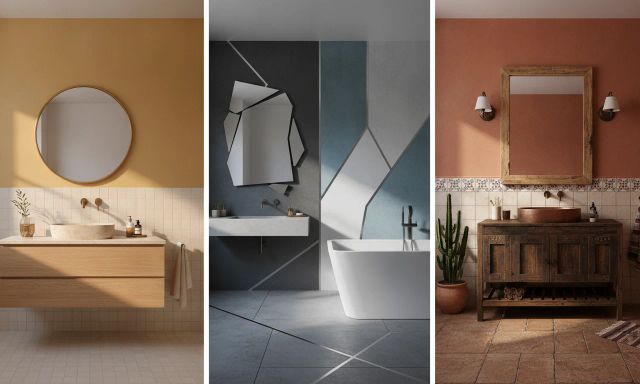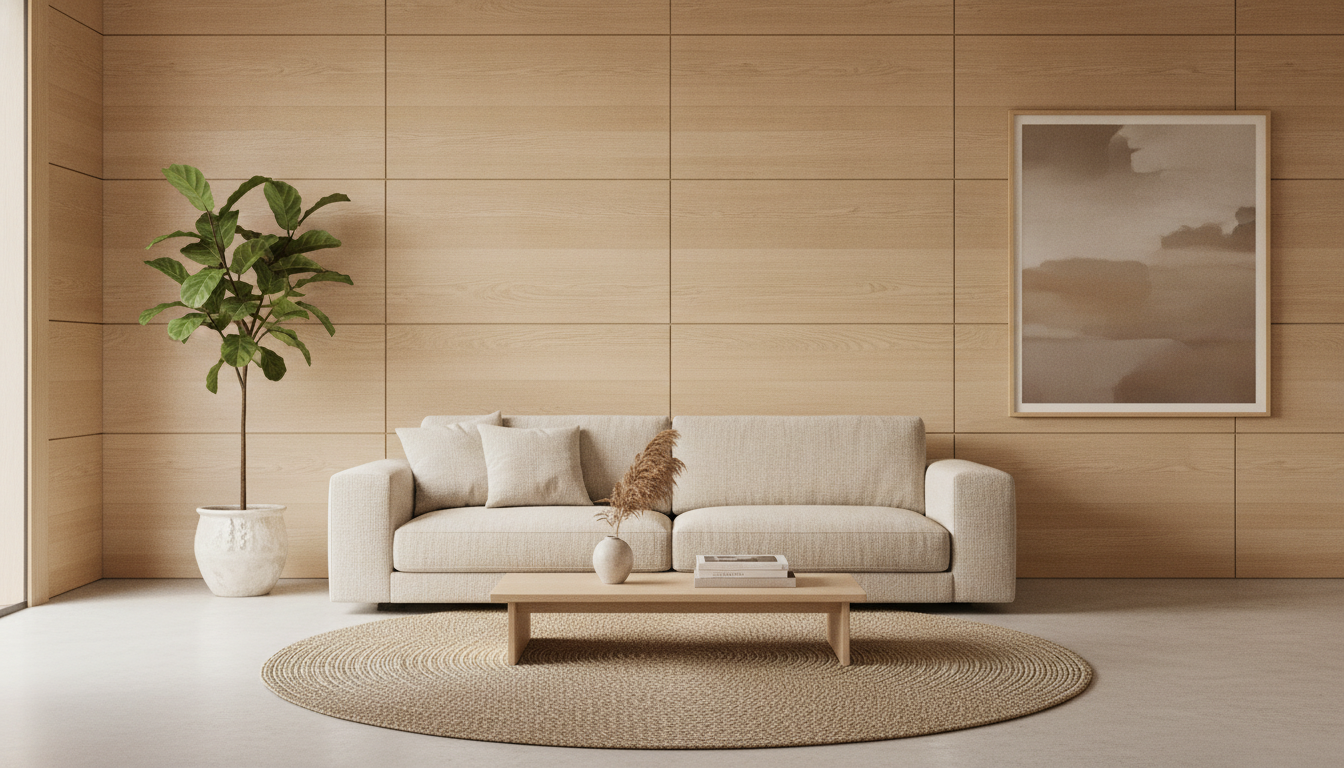
Minimalism in interior design is about creating spaces that breathe. A living room rooted in minimalist principles combines intentional furniture placement, a restrained colour palette, and surfaces that speak through texture rather than clutter. The result is a sanctuary that feels both expansive and intimate.
What Makes a Living Room Minimalist
Minimalist design strips away excess to reveal essential beauty. Your living room becomes a canvas where every piece serves a purpose, and negative space is as valuable as filled space. Clean lines, neutral or muted tones, and carefully selected materials create visual calm.
When you embrace minimalism, you're not just removing furniture—you're making deliberate choices about what stays. This philosophy works across different aesthetic movements, from contemporary to classical interpretations. The key is selecting materials and styles that align with your vision of "less is more."
Minimalist Styles for Your Living Room
Nouveau brings organic minimalism through flowing lines and natural forms. Despite its decorative heritage, Nouveau minimalism focuses on singular, sculptural pieces and nature-inspired geometry that avoids visual noise.
Provence style translates minimalism into rustic elegance. Whitewashed walls, natural wood, and earthy tones create a deliberately simple yet warm aesthetic rooted in Southern French countryside living.
Deconstructivism takes a cerebral approach to minimalism by breaking forms into essential geometric components. This style creates visual interest through thoughtful structural reduction rather than decoration.
Midcentury design embodies functional minimalism. Mid-century modern prioritises form following function, with iconic furniture pieces and clean silhouettes that remain relevant decades later.
Floor & Wall Materials for Minimalist Spaces
Your choice of floor and wall materials establishes the foundation of minimalist design. Each surface should contribute to the overall sense of calm without competing for attention.
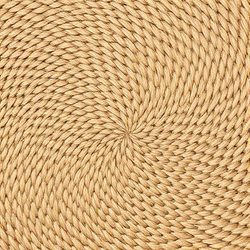
Seagrass Mat flooring introduces organic texture that feels natural underfoot. Its neutral tone grounds minimalist interiors while the visible weave adds subtle visual interest without pattern or decoration.
Custom Pigmented Screed offers industrial minimalism through concrete surfaces. This material creates seamless, monolithic floors that feel both raw and refined, perfect for contemporary minimalist interiors.
Custom Colour Matched Vinyl provides practical minimalism with flawless finish and colour consistency. Choose neutral tones to maintain visual simplicity while enjoying durability.
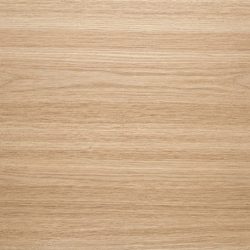
Ash Panel walls introduce warmth through natural wood grain without visual fussiness. The subtle texture and neutral tone align perfectly with minimalist principles while adding tactile richness.
Basic Moss Wall brings living minimalism to your space. Rather than adding clutter, this living element purifies air and creates a focal point of organic serenity.
Material & Style Pairings
| Style | Recommended Materials | Why It Works |
|---|---|---|
| Nouveau | Ash Panel, Seagrass Mat | Natural materials complement organic forms; wood grain echoes Nouveau's connection to nature while seagrass adds textural depth without pattern |
| Provence | Custom Colour Matched Vinyl, Ash Panel | Soft-toned vinyl mimics traditional Provençal surfaces; pale wood panels evoke whitewashed European farmhouses |
| Deconstructivism | Custom Pigmented Screed, Basic Moss Wall | Monolithic concrete floors echo geometric reduction; moss wall adds unexpected organic element within structural minimalism |
| Midcentury | Custom Pigmented Screed, Seagrass Mat | Industrial concrete suits midcentury's functional aesthetic; natural fibre flooring echoes era's embrace of honest materials |
Tools to Refine Your Minimalist Vision
AI room redesign lets you explore minimalist styles before committing. Upload your current living room and experiment with different aesthetics instantly.
Virtual decluttering helps you visualise negative space. Remove pieces one at a time to find your ideal level of emptiness.
Object remover eliminates distracting elements from your space, clarifying what truly matters. Add or replace furniture thoughtfully, testing each new piece's impact on the overall calm.
FAQ
How do I know if my living room is truly minimalist?
Ask yourself: Does every item serve a purpose or bring joy? Can your eye rest easily across the room? Are there visual breaks between furniture and walls? If you answer yes, you're on the minimalist path.
Can I add colour to a minimalist living room?
Absolutely. Minimalism isn't about being colourless—it's about being intentional. Use colour theory to introduce one or two accent hues that calm rather than stimulate. A single piece of art or a moss wall can provide colour within the minimalist framework.
What's the difference between minimalist and sparse?
Minimalist spaces are curated; sparse spaces feel empty. Minimalism chooses what stays and celebrates those pieces. Sparse design removes elements without intention. Your living room should feel peaceful, not abandoned.
Transform Your Minimalist Vision
Whether you're drawn to the organic elegance of Nouveau or the functional clarity of Midcentury design, minimalist living rooms offer refuge from visual chaos. Pair your chosen style with materials that support calm—natural fibres, soft concrete, warm wood—and you create a space that nurtures both mind and body.
Ready to reimagine your living room? Explore AI room redesign options and test minimalist concepts instantly. For deeper dives into specific aesthetics, discover minimalist small room design ideas for living spaces or explore minimalist hall design ideas for living rooms. Try it free on vividoo.app and start crafting your serene sanctuary today.