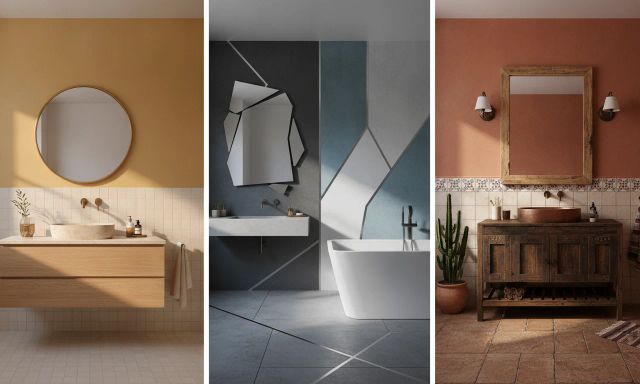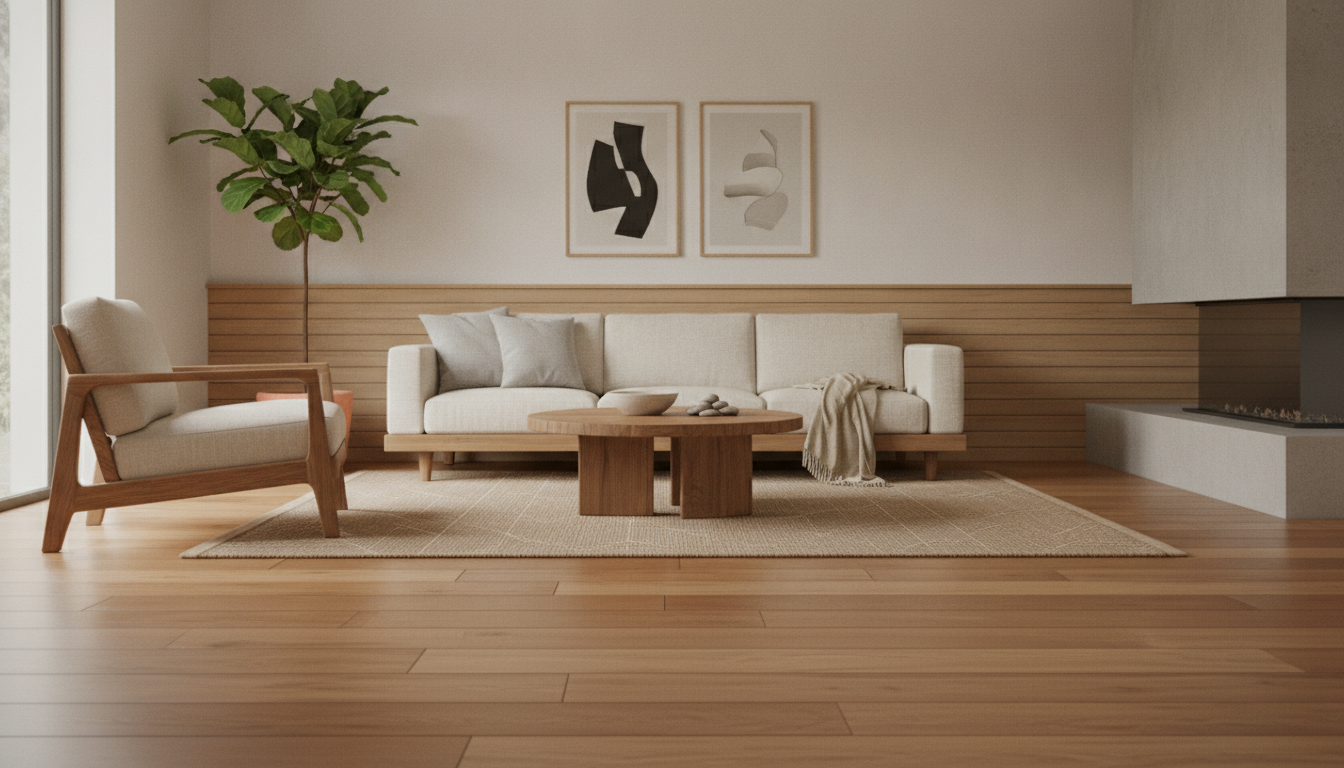
Wood has always been a cornerstone of interior design, offering warmth, durability, and timeless appeal. Whether you're starting from scratch or refreshing an existing space, incorporating wood materials into your living room design can dramatically improve both aesthetics and functionality. The key is choosing the right materials and pairing them with a cohesive design style that reflects your personal taste.
Why Wood Materials Matter in Living Room Design
Wood materials add natural texture, visual interest, and acoustic benefits to your living room. From rich floor surfaces to dramatic wall treatments, wood creates focal points that draw the eye and invite people to settle in and relax. Modern wood options go far beyond traditional hardwoods, offering engineered solutions and specialty finishes that work in every design aesthetic.
When selecting wood for your living room, consider both practical aspects like traffic patterns and maintenance, as well as emotional responses you want the space to evoke. Lighter woods feel airy and contemporary, while darker tones convey sophistication and anchoring warmth.
Four Design Styles That Celebrate Wood
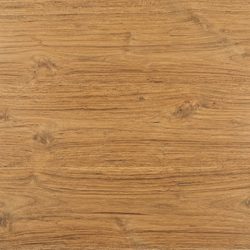
Japandi blends Japanese minimalism with Scandinavian coziness, making it ideal for wood-focused spaces. This style emphasizes natural materials, clean lines, and functional beauty. Teak Plank flooring pairs beautifully with Japandi's organic aesthetic, creating serene environments that prioritize calm and balance.
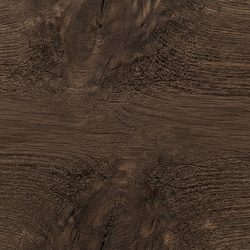
Colonial design draws from historical traditions and celebrates rich, substantial furniture and materials. This style embraces darker wood tones and heritage craftsmanship. It works exceptionally well with both traditional wood flooring and architectural wood wall treatments that echo period details.
Bauhaus, founded on principles of form meeting function, treats wood as both a structural and aesthetic element. This style favors clean wood finishes that highlight natural grain patterns without excessive ornamentation. Wood becomes architecture rather than decoration in Bauhaus living rooms.
Maximalism embraces abundance, color, and layered textures. Maximalist interiors can incorporate wood through creative wall panels, mixed wood tones, and substantial wooden furniture pieces that anchor visually rich compositions.
Premium Wood and Complementary Materials
Beyond solid flooring, consider how wall materials work alongside wood to create depth. Thermal Wood offers a distinctive aesthetic when used on walls, creating striking visual warmth that contrasts with or complements wood floors. Felt Panel provides acoustic benefits and soft texture that balances harder wood surfaces, while Mother of Pearl Mosaic adds unexpected glamour and light reflection to wood-dominant schemes.

Material & Style Pairings
| Style | Recommended Materials | Why It Works |
|---|---|---|
| Japandi | Teak Plank (Floor), Thermal Wood (Wall) | Natural wood tones align with minimalist principles while creating warm, inviting spaces that honor craftsmanship |
| Colonial | Teak Plank (Floor), Rosa Levanto (Floor accent) | Rich wood combined with stone bases creates the substantial, traditional foundation colonial design demands |
| Bauhaus | Thermal Wood (Wall), Felt Panel (Wall) | Honest wood display with functional textile complement exemplifies form-follows-function philosophy |
| Maximalism | Mother of Pearl Mosaic (Wall), Felt Panel (Wall) | Layered textures and reflective surfaces create visual abundance while wood anchors the composition |
Planning Your Wood Living Room Transformation
Start by exploring how your current living room looks with different style interpretations. Use floor and wall material renovation tools to test wood options before committing. Many designers find it helpful to declutter virtually first, which reveals how wood materials will interact with existing pieces and natural light.
If you're making major changes, consider whether you need to update furniture to match new wood tones and styles, or whether you want to remove certain elements to create a fresh foundation. For those envisioning dramatic change, an empty room generator helps you start from zero with just your chosen style and materials in mind.
FAQ
What's the best wood material for high-traffic living rooms?
Teak Plank is exceptionally durable and resistant to wear, making it ideal for living rooms with heavy foot traffic. Its natural hardness and stability ensure longevity while developing a beautiful patina over time.
Can I mix different wood tones in one living room?
Absolutely. Colonial and Maximalism styles particularly embrace mixed wood tones. The key is ensuring tones relate to each other through undertone harmony—warm woods with warm woods, cool-toned woods with cool-toned woods—and balancing proportions so one tone anchors the space.
How do wood walls differ from wood flooring in terms of design impact?
Wood flooring grounds a room and handles practical demands, while Thermal Wood walls create visual drama and atmosphere. Walls draw the eye upward and set the room's color temperature, so they're often the ideal starting point for establishing your overall aesthetic.
Bring Your Wood Living Room Vision to Life
Wood store design ideas come alive when you can visualize them in your actual space. Whether you're drawn to the serene minimalism of Japandi, the heritage elegance of Colonial, the functional beauty of Bauhaus, or the eclectic richness of Maximalism, the right material combinations create living rooms that feel authentically yours. Try it free on vividoo.app to upload your room photo, choose your preferred style and wood materials, and see your transformation instantly. For more inspiration, explore our guides on wood shop design ideas for living rooms and glass shop design ideas for living rooms.