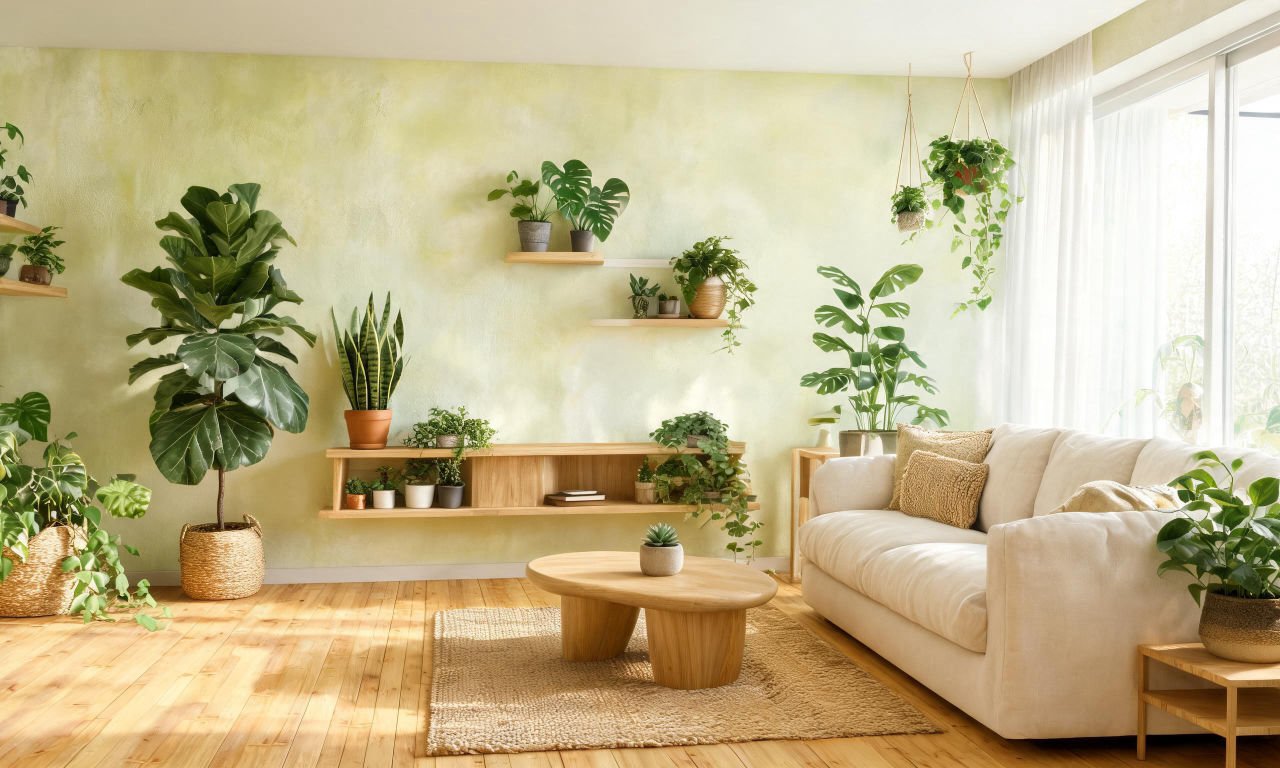
Biophilic design is an approach to interior design that reconnects people with nature through the spaces where they live. The term comes from biophilia—the innate human desire to connect with the natural world. By incorporating natural elements, materials, and patterns into your living room, you create an environment that reduces stress, improves air quality, and enhances overall well-being.
Your living room is the heart of your home—a place where you relax, gather with family, and unwind after long days. Applying biophilic principles transforms it into a sanctuary that nurtures both body and mind.
Core Principles of Biophilic Living Room Design
Biophilic design rests on several foundational principles that work together to create harmonious, nature-inspired spaces. Understanding these principles helps you make intentional choices when redesigning your living room.
- Direct nature: Living plants, natural light, water features, and real wood elements bring authenticity to your space
- Indirect nature: Nature-inspired patterns, images, colours, and shapes evoke natural environments without requiring living elements
- Space and place: Room layouts that encourage movement and create zones reflect natural landscapes
- Natural materials: Wood, stone, clay, and plant-based textiles connect tactilely with the earth
- Sensory connection: Engaging sight, sound, touch, smell, and taste through natural stimuli
The Biophilic style on vividoo brings these principles to life, transforming ordinary rooms into green, light-filled havens. You can explore how biophilic redesign works by uploading a photo of your living room and seeing the AI-powered transformation instantly.
Natural Materials That Define Biophilic Living Rooms
Material selection is crucial to authentic biophilic design. Natural, sustainable materials ground your living room in earth-conscious values while creating visual and tactile warmth.
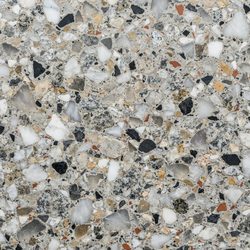
Hardwood flooring like Blonde Bamboo brings sustainable elegance—bamboo regenerates rapidly, making it an eco-friendly choice that doesn't compromise on beauty. Terrazzo Tile combines recycled stone aggregates in a resin base, offering durability and visual interest while reducing environmental impact.
For walls, Lime Wash creates a soft, breathable finish that improves indoor air quality and ages beautifully over time. Shoji Paper wall treatments bring Japanese-inspired simplicity and warmth, diffusing light naturally throughout your living room.
When you're ready to commit to material changes, the floor and wall materials renovation tool helps you visualize exactly how these natural finishes will look in your space before you purchase or install anything.


Material & Style Pairings for Your Living Room
| Style | Recommended Materials | Why It Works |
|---|---|---|
| Biophilic | Blonde Bamboo, Lime Wash | Natural wood and breathable plaster create organic warmth and promote air quality, the foundation of nature-inspired design |
| Zen | Blonde Bamboo, Shoji Paper | Minimalist materials inspire calm; bamboo flooring and paper walls reflect Japanese simplicity and balance |
| Colonial | Chevron Wood, Terrazzo Tile | Patterned hardwood and decorative tile echo heritage craftsmanship while maintaining elegant, timeless character |
| Cyberpunk | Terrazzo Tile, Shoji Paper | Textured, bold materials provide visual contrast and industrial edge while maintaining sculptural interest |
Beyond Materials: Creating Your Biophilic Living Room
Sustainable materials are only part of the equation. Living elements like potted plants, natural light, wooden furniture, and earth-tone colour palettes complete the biophilic vision. Consider adding a living wall, positioning seating to maximize views of greenery, or introducing water features like fountains.
If your current furniture doesn't align with your vision, the add and replace furniture tool lets you experiment with different pieces. Clutter can disrupt the calm biophilic aesthetic, so virtual decluttering helps you plan a minimalist arrangement before you rearrange physically.
AI-Powered Design Exploration
Seeing your living room transformed in biophilic style is easier than ever. The AI room redesign tool for living rooms generates instant renderings based on your photo. You can compare Biophilic, Zen, Colonial, and Cyberpunk interpretations side-by-side, each showcasing how natural and design elements interact.
For a completely fresh start, the empty room generator creates blank-slate inspirations. The object remover tool helps you mentally subtract items before you sell or donate them, ensuring your redesign reflects the final vision.
FAQ
What is the main goal of biophilic design?
Biophilic design aims to reconnect inhabitants with nature through strategic use of natural materials, living elements, light, and organic patterns. This connection reduces stress, improves mental clarity, and enhances indoor air quality and overall health.
Can I achieve biophilic design on a budget?
Yes. Start with affordable elements like potted plants, repositioning furniture toward natural light, adding wooden accessories, and repainting walls with natural finishes. Major material upgrades like Blonde Bamboo flooring or Lime Wash walls can be phased in gradually.
Is biophilic design the same as minimalism?
While both emphasise simplicity, biophilic design prioritises nature and natural materials, whereas minimalism focuses on reducing objects and visual clutter. Biophilic spaces feel organic and alive; minimalist spaces feel pared-down and intentional.
Start Your Biophilic Journey Today
Your living room deserves to be a retreat—a space where natural beauty and thoughtful design converge. Explore biophilic principles, experiment with material pairings, and discover how AI design tools can accelerate your vision. Learn more about why biophilic design matters and explore 10 stunning living room ideas for additional inspiration.
Ready to reimagine your space? Try it free on vividoo.app—upload a photo of your living room, choose the Biophilic style or any other aesthetic, and watch AI transform your space in seconds. No credit card required.