Your dining room is more than a place to eat—it's a space where family gathers, energy flows, and memories form. Feng shui dining room decor principles teach us that the materials, layout, and aesthetic style of this room directly influence the quality of meals, relationships, and abundance in your home.
Whether you're drawn to natural warmth or modern elegance, aligning floor and wall materials with feng shui principles creates a dining space that feels both beautiful and energetically balanced.
Understanding Feng Shui in Dining Spaces
Feng shui, the ancient Chinese practice of spatial harmony, focuses on the flow of chi (life energy) through your environment. In a dining room, this means creating sightlines that feel safe, materials that ground the space, and a layout that encourages positive interaction.
The dining table serves as the heart; its placement should allow diners to see the entrance without feeling exposed. Natural materials like wood flooring amplify this sense of stability and connection to nature, essential to feng shui philosophy.
Choosing the Right Style for Your Dining Room
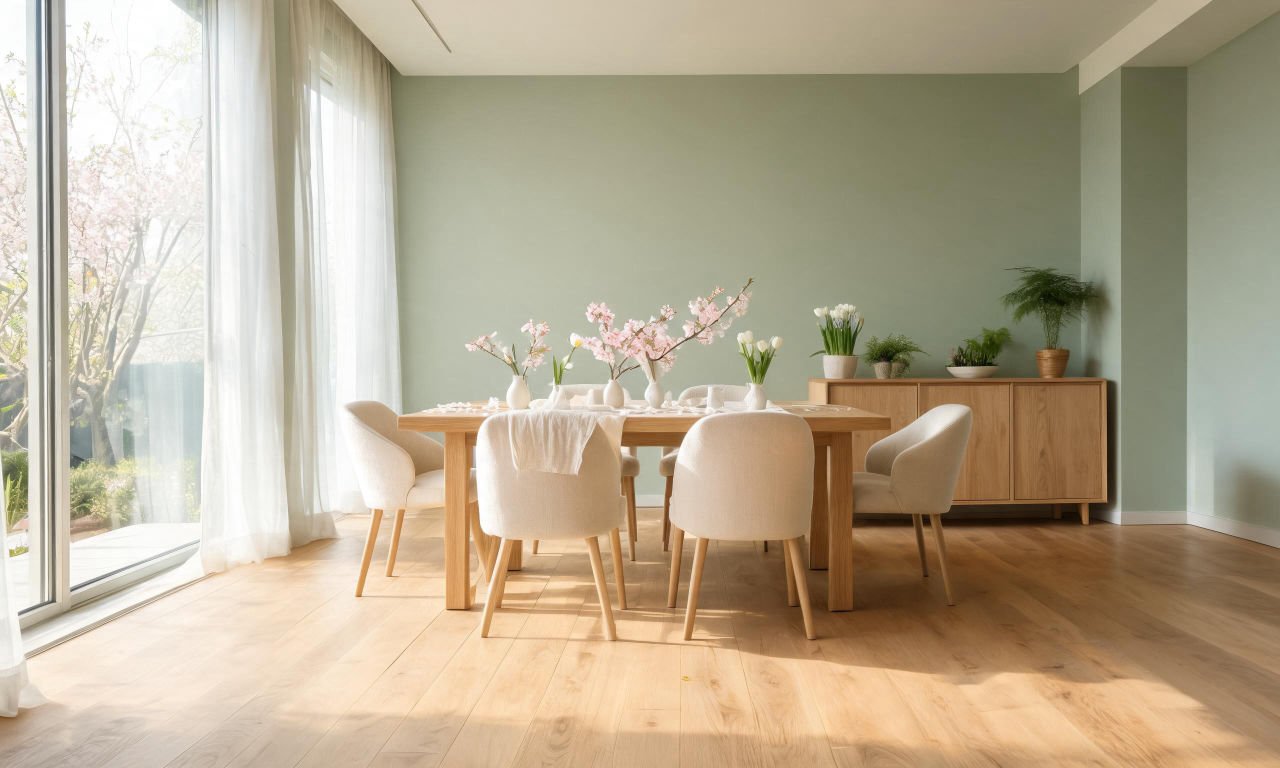
Spring Renewal brings soft, rejuvenating energy through light colour palettes and organic forms. This style harmonizes perfectly with feng shui's emphasis on natural flow and renewal, making it ideal for families seeking fresh starts and open communication at the table.
Midcentury design balances symmetry and clean lines, principles that align with feng shui's focus on order and intentional spacing. Its uncluttered aesthetic prevents energy stagnation, while warm wood tones maintain earthiness.
Coastal style introduces the calming influence of water and light, symbolizing flow and abundance in feng shui. Soft blues, whites, and natural textures create an open, welcoming atmosphere that encourages relaxation during meals.
Rustic aesthetics ground diners with raw, authentic materials and warm tones. This style resonates deeply with feng shui's reverence for natural materials and their ability to anchor energy in the present moment.
Material & Style Pairings
| Style | Recommended Materials | Feng Shui Benefit |
|---|---|---|
| Spring Renewal | Pine Plank (Floor) | Soft wood energy supports renewal and growth; light colour promotes clarity |
| Midcentury | Maple Wood (Floor) | Balanced hardwood warmth with clean aesthetic prevents energy dispersal |
| Coastal | Liquid Metal (Wall) | Reflective metal surfaces amplify light and water element symbolism |
| Rustic | Reclaimed Pine (Floor), Bronze Panel (Wall) | Aged materials carry grounded energy; bronze adds protective metal element |
Floor Materials for Grounding Energy
Hardwood flooring is the gold standard in feng shui dining rooms. Pine Plank offers a lighter, more yin aesthetic ideal for Spring Renewal spaces, while Maple Wood provides stronger yang energy through its deeper tones and durability. Reclaimed Pine carries historical resonance and earthiness, making it perfect for Rustic schemes where authenticity matters.
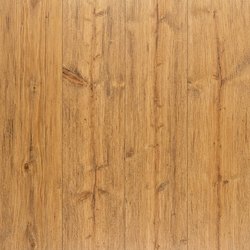
Avoid overly reflective or cold synthetic materials in dining areas; they disrupt the grounding chi necessary for nourishing meals. Wood's organic warmth invites people to linger and connect.
Wall Materials & Accent Elements
Walls define a room's energetic boundaries. Bronze Panel walls add sophisticated depth and the protective energy of metal without overwhelming the space. Liquid Metal surfaces reflect light and create dynamic visual interest while maintaining balance—ideal for Coastal designs where water and light energy flow together.
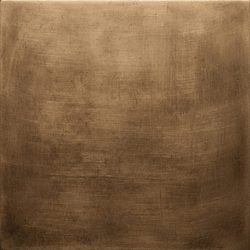
Consider limiting accent wall materials to one or two to avoid visual chaos, which blocks chi movement. Virtual decluttering tools help preview how materials and styles work before committing to renovation.
Creating Flow with AI-Powered Design
Modern design technology now allows you to preview feng shui concepts before purchasing materials. Use AI room redesign tools to test how different styles and materials energetically transform your space. Try pairing styles with floor options, then visualize the result before making decisions.
If your current furniture blocks natural sightlines, add or replace furniture pieces strategically. Feng shui teaches that clear sight lines from the table to the entrance support feelings of safety and abundance. Remove visual clutter to let chi circulate freely.
Layout Principles for Dining Harmony
The dining table should never face a sharp corner or the front door directly—position it at an angle to invite gentle energy entry. Learn more about feng shui dining room layout principles for optimal flow.
Lighting matters too. Soft, warm light (yin) balanced with natural daylight (yang) creates energetic equilibrium. Avoid harsh, flickering overhead lights that agitate chi during meals.
Colour Theory & Feng Shui Elements
Colour theory aligns naturally with feng shui's five elements. Earth tones (yellows, browns) ground energy; water colours (blues, blacks) promote flow; wood tones (greens, natural wood) encourage growth; metal (whites, grays) brings clarity; and fire (reds, oranges) energizes—use sparingly in dining rooms to maintain calm.
Beyond Furniture: Art & Mirrors
Feng shui dining room art should depict abundance, water, or peaceful scenes—never violence or sadness. Mirror placement in dining rooms doubles the symbolic abundance of the table, but avoid positioning mirrors directly opposite entries where they can confuse energy flow.
FAQ
What floor material works best for feng shui dining rooms?
Natural hardwoods like Pine Plank, Maple Wood, or Reclaimed Pine ground dining space energy most effectively. They connect diners to earth element chi and support feelings of stability and nourishment.
Can I mix feng shui with modern design styles?
Absolutely. Midcentury style's clean lines and mid-century modern symmetry naturally support feng shui principles. Coastal and Spring Renewal designs equally embrace both aesthetics and energy balance.
How do metal wall materials affect dining room energy?
Bronze Panel and Liquid Metal surfaces represent the metal element, bringing clarity and protection. Use them as accents rather than dominant features to maintain warmth and welcome energy for family gatherings.
Transform Your Dining Room Today
Ready to blend feng shui principles with your personal style? Try it free on vividoo.app—upload your dining room photo, select from Spring Renewal, Midcentury, Coastal, or Rustic designs, and preview materials like Pine Plank, Maple Wood, Bronze Panel, and more. Discover how floor and wall material combinations transform your space's energy before you renovate. Start designing harmonious dining spaces that nourish body, mind, and spirit.