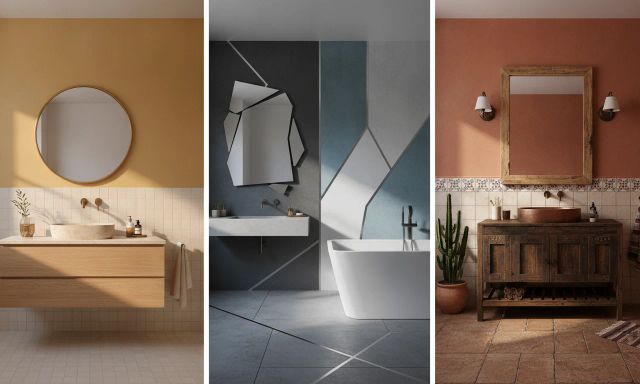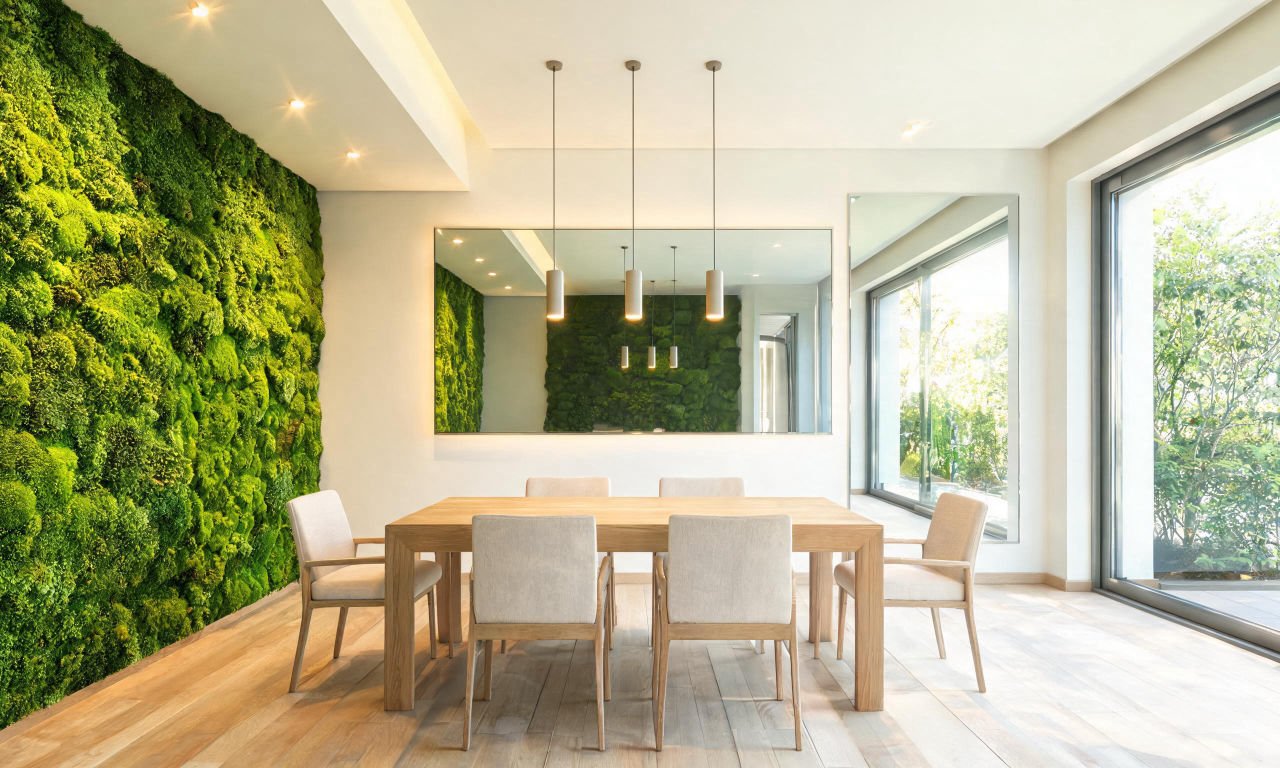
Mirrors are one of the most transformative tools in feng shui design. In your dining room, a well-placed mirror can expand the sense of space, amplify natural light, and create a flow of positive energy that nourishes both conversation and meals. Whether you favour Contemporary, Midcentury, Coastal, or Rustic aesthetics, understanding mirror placement principles will help you harmonize your space.
The Feng Shui Power of Dining Room Mirrors
In feng shui philosophy, mirrors symbolize water—the element of reflection, flow, and abundance. A mirror in your dining room reflects the food on your table, symbolically multiplying nourishment and prosperity.
Mirrors also invite light into darker corners and create visual expansion in smaller spaces, making diners feel less confined.
However, placement matters. Mirrors should never directly face the front door (it pushes energy back out) or reflect clutter.
Instead, position mirrors to reflect your dining table, natural light sources, or calming views like plants or artwork. This creates a balanced, inviting atmosphere where guests naturally linger longer.
Mirror Placement Rules for Harmonious Dining
- Opposite a window: Reflects natural light throughout the room and strengthens the connection to nature.
- Adjacent to the dining table: Reflects the gathering, symbolizing doubled abundance and family connection.
- On walls with artwork: Amplifies inspiring images and creates visual depth.
- Away from sharp corners: Avoid pointing mirrors at table edges or structural pillars that create harsh energy.
- Eye level or slightly above: Keeps reflections balanced and prevents energy from feeling bottom-heavy.
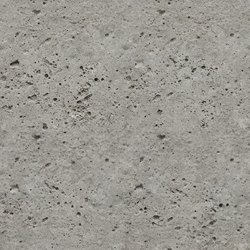
When designing your dining room renovation, consider how floor and wall materials interact with mirrors. Reflective surfaces like Ash Gray walls create subtle ambient reflections, while textured materials like Pitted Concrete add visual interest behind a mirror frame.
Styling Mirrors Across Design Aesthetics
Your mirror frame should complement your chosen dining room style. A Contemporary mirror might feature sleek black metal or minimalist white lacquer, emphasizing clean lines.
A Midcentury design calls for tapered wood legs, brass accents, or geometric frames. Coastal mirrors often feature natural wood, rattan, or white-painted frames that echo beach-house simplicity.
Rustic spaces benefit from distressed wood frames, iron fixtures, or reclaimed materials.
The wall colour behind your mirror influences its impact. Colour theory shows that mirrors on warm-toned walls (like Classic Walnut Vinyl flooring paired with earthy walls) create cosy reflections, while Moss Wall greenery behind a mirror produces refreshing, nature-connected energy.
Material & Style Pairings
| Style | Recommended Materials | Why It Works |
|---|---|---|
| Contemporary | Ash Gray (Wall), Pitted Concrete (Wall) | Neutral, reflective backdrops allow minimalist mirrors to stand out. Clean surfaces enhance modern aesthetics. |
| Midcentury | Classic Walnut Vinyl (Floor), Ash Gray (Wall) | Warm wood tones complement brass or wooden mirror frames. Gray walls provide balanced contrast. |
| Coastal | Patchwork Wool (Floor), Moss Wall (Wall) | Textured, natural materials echo beach-inspired design. Greenery adds freshness; wool adds organic warmth. |
| Rustic | Classic Walnut Vinyl (Floor), Pitted Concrete (Wall) | Distressed wood and concrete frames blend with earthy materials. Creates authentic, grounded energy. |


Beyond Mirror Placement: Holistic Feng Shui Dining
A mirror alone cannot create perfect feng shui. Balance it with thoughtful furniture placement, colour choices, and clutter-free surfaces. Use vividoo's AI room redesign tool to preview how mirrors work within your chosen style, or try the virtual decluttering feature to clear distractions before adding reflective elements.
For deeper insight into feng shui principles in your dining room, explore our guides on feng shui dining room layout and feng shui dining room colours. These articles cover positioning of seats, colour psychology, and how interior design principles align with feng shui philosophy.
FAQ
Where should I place a mirror in my feng shui dining room?
Position mirrors opposite windows to reflect light, or adjacent to your dining table to symbolize abundance. Avoid pointing mirrors directly at the front door or at sharp table corners. Eye level or slightly above is ideal for balanced energy flow.
Can I use a mirror in a small dining room?
Yes. Mirrors are especially valuable in compact spaces because they expand the visual area and brighten dark corners. This aligns with feng shui's goal of encouraging energy circulation and openness.
What mirror frame style works best with Contemporary dining design?
Contemporary style pairs beautifully with sleek metal frames (black, gold, or chrome) or frameless mirrors with clean edges. These minimalist options let the reflective power shine without visual clutter, complementing neutral wall colours like Ash Gray or Pitted Concrete.
Transform Your Dining Room Today
Ready to reimagine your dining space with feng shui principles and strategic mirror placement? Visualize your design before committing to changes. Try it free on vividoo.app—upload your dining room photo, select your preferred style (Contemporary, Midcentury, Coastal, or Rustic), and see how mirrors, materials, and layout choices transform your room's energy and beauty.