The location of your dining room within your home plays a fundamental role in feng shui philosophy. Where you position this gathering space directly influences the energy flow, family dynamics, and abundance within your household.
Understanding proper dining room placement can transform not only the room's function but also the overall harmony of your living environment.
Feng shui teaches that the dining room connects nourishment, prosperity, and social connection. Its location matters as much as its design. A well-positioned dining room, combined with thoughtful room redesign choices, creates an optimal space for both physical and spiritual well-being.
Ideal Dining Room Location in Feng Shui
Traditional feng shui principles recommend placing the dining room in the center or center-west area of your home, as these zones correspond to grounding energy and metal elements associated with prosperity. The room should be easily accessible from the kitchen without being directly in line with the front door, which allows beneficial energy to circulate rather than pass straight through.
Avoid positioning your dining room in isolated corners or basement spaces. These locations create stagnant energy that can negatively affect family meals and connections. If your existing layout doesn't match these ideals, strategic floor and wall materials renovation combined with thoughtful design styling can still optimize the space's energy potential.
Energy Flow and Spatial Arrangement
Once your dining room location is established, focus on how energy moves through the space. The dining table should sit in a commanding position where diners can see the door without being directly aligned with it.
This placement promotes security and openness simultaneously—a core feng shui balance principle.
- Position the table away from sharp corners and cluttered areas
- Ensure natural light enters from at least one wall
- Keep pathways clear for smooth chi (energy) circulation
- Avoid placing the table under exposed beams or low ceilings
- Allow seating on all four sides of the table when possible
The shape of your dining table also influences feng shui energy. Round or oval tables promote conversation and unity, while rectangular tables work well in larger spaces. When redesigning your dining room, consider how adding or replacing furniture can better support positive energy flow.
Lighting and Natural Elements
Proper lighting transforms any dining room location into a welcoming space. Natural light from windows or skylights is preferred in feng shui, as it represents vitality and connection to nature.
If your dining room lacks natural light, supplemental warm lighting creates an inviting atmosphere that encourages gathering and nourishment.
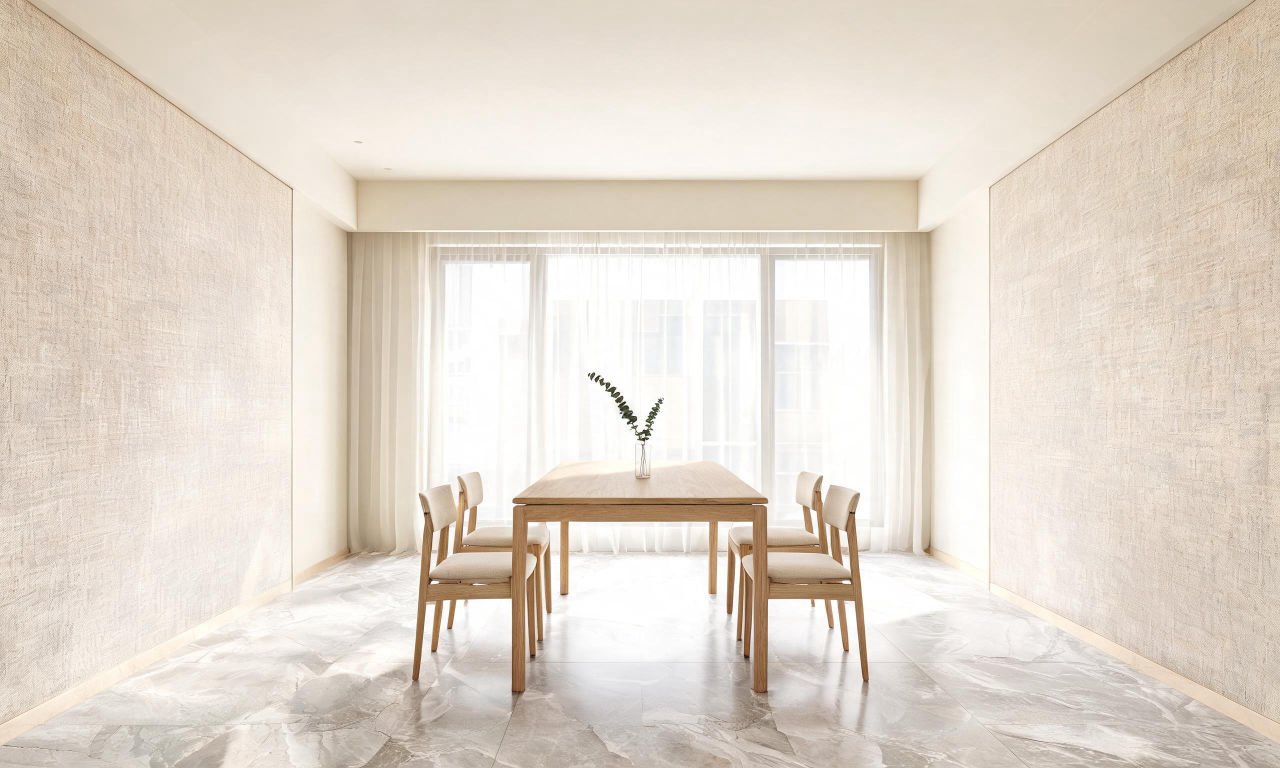
Incorporating natural materials enhances the five elements doctrine in feng shui. Marble flooring represents earth and water elements, bringing stability and flow. Wooden furniture and wallpaper finishes introduce the wood element, symbolizing growth and renewal.
Design Styles That Support Feng Shui Principles
Different design aesthetics can either enhance or diminish feng shui energy in your dining room. Minimalism aligns naturally with feng shui philosophy by eliminating clutter and creating clear energy pathways. The simplicity and intentionality of minimalist spaces reduce visual noise, allowing positive energy to flow freely around the table.
Contemporary design brings modern balance through clean lines and open layouts, supporting the flow principle. Industrial style introduces the metal element through exposed materials and fixtures, enhancing prosperity symbolism. Summer Escape styling brings warmth and welcoming energy through natural tones and relaxed arrangements that encourage lingering meals and connection.
Material & Style Pairings
| Style | Recommended Materials | Feng Shui Benefit |
|---|---|---|
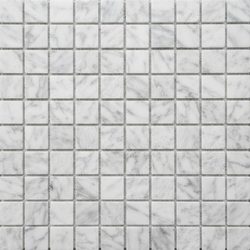
| Minimalism | Linen Texture Wallpaper, Marble Tile | Clean energy flow, earth grounding, visual clarity |
| Contemporary | Hex Tiles, Pastel Terrazzo | Modern balance, geometric harmony, balanced chi |
| Industrial | Agate Stone, Marble Tile | Metal element strength, prosperity symbolism |
| Summer Escape | Pastel Terrazzo, Linen Texture Wallpaper | Warmth, natural connection, inviting abundance |


Decluttering and Optimization Tools
Even in an ideally located dining room, stagnant objects block beneficial energy. Use virtual decluttering to visualize a cleaner space before physically organizing. If certain furniture pieces feel energetically misaligned, the object remover tool helps you test their absence and reimagine the layout.
For dining rooms that feel empty or lack balance, an empty room generator can establish a fresh energetic foundation. These visualization tools complement feng shui philosophy by allowing you to see potential before committing to changes.
Color Theory and Energy Balance
Color theory in design intersects with feng shui principles. Warm earth tones—ochres, terracottas, and soft browns—ground the space and promote stability. Soft greens represent the wood element and encourage growth and health. Avoid harsh reds or blacks in dining rooms, as these can create overstimulating or depleting energy during meals meant for calm nourishment.
When exploring AI room redesigns, pay attention to how color palettes shift the room's energetic quality. A well-chosen palette amplifies the feng shui benefits of proper location and arrangement.
Related Feng Shui Dining Room Topics
To deepen your feng shui understanding, explore how specific elements enhance your dining room's energy. Learn about feng shui dining room layout principles for optimal balance and flow. Discover how mirror placement and design tips can expand and amplify positive energy. Finally, understand how dining room art balances energy with design to complete your harmonious space.
FAQ
What is the best direction for a dining room in feng shui?
The center, center-west, or south areas of your home are traditionally considered optimal for dining rooms in feng shui. These zones correspond to grounding and prosperity energy.
If your dining room occupies a different location, enhanced design choices and material selections can still optimize its energy potential.
Can I improve feng shui in a poorly located dining room?
Yes. Strategic placement of the dining table, thoughtful lighting, natural materials like Marble Tile or Pastel Terrazzo flooring, and decluttering can significantly improve energy flow. Design styles like Minimalism and Contemporary naturally support feng shui principles regardless of room location.
Should my dining room table have a specific shape?
Round and oval tables promote unity and smooth energy circulation in feng shui, though rectangular tables work well in larger spaces. What matters most is ensuring all diners can see the door and have clear sightlines, which supports both security and openness—a key feng shui balance.
Ready to transform your dining room's energy and aesthetics? Try it free on vividoo.app—upload a photo, select your preferred style like Minimalism or Contemporary, and discover how design choices enhance both feng shui principles and your daily dining experience.