Feng shui is an ancient Chinese practice of spatial arrangement that seeks to balance energy and promote wellbeing. In your dining room redesign, proper placement of furniture, materials, and décor elements can enhance both aesthetics and the flow of positive energy throughout the space.
The dining room serves as a gathering place for nourishment and connection. Applying feng shui principles to placement ensures your room supports good conversation, digestion, and family harmony.
Core Feng Shui Dining Room Placement Principles
The command position is fundamental to feng shui dining room placement. Position your dining table so that you have a clear view of the room entrance without being directly in line with the door. This arrangement creates security and control over your dining environment.
Balance is essential in feng shui. Your dining table should be centered in the room rather than pushed against walls, allowing energy to circulate freely around all sides. Avoid placing the table directly beneath heavy ceiling beams, which symbolically weight down meals and conversation.
- Ensure adequate distance between the table and walls for comfortable movement
- Keep the dining area clutter-free using virtual decluttering tools to visualize clean spaces
- Avoid sharp corners pointing toward seating areas
- Position the table away from kitchen entry points to prevent work energy entering the dining space
Style Choices That Support Feng Shui Principles
Farmhouse style embraces natural materials and warm, grounded energy. This aesthetic aligns with feng shui's emphasis on earth elements and organic forms, creating a welcoming atmosphere for shared meals.
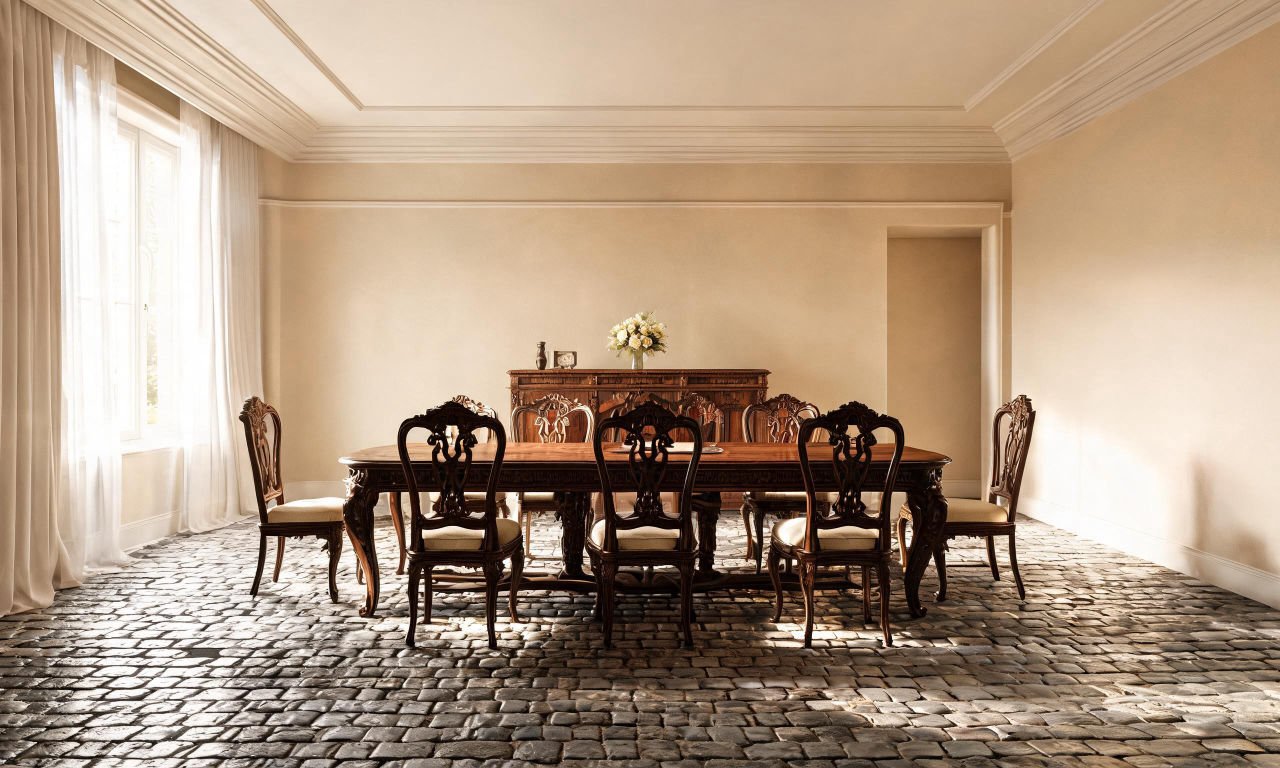
Traditional design features symmetry and balanced proportions—core feng shui concepts. Formal arrangement and classic furniture placement naturally support the command position principle.
Coastal style brings water element energy, promoting flow and adaptability. Light, airy aesthetics reduce visual clutter and support the calm, balanced dining experience that feng shui seeks.
Scandinavian design principles—minimalism, functionality, and natural light—directly echo feng shui values. Clean lines and uncluttered spaces allow energy to move freely throughout your dining area.
Material & Style Pairings
| Style | Recommended Materials | Feng Shui Benefit |
|---|---|---|
| Farmhouse | Cobble Stone, Moroccan Tile | Grounded earth energy; natural textures promote stability and nourishment |
| Traditional | Cobble Stone, Cashmere Beige | Balanced symmetry; warm neutrals encourage harmony and formal gathering |
| Coastal | Resin Slab Finish, Moroccan Tile | Water and light elements flow freely; calm surfaces support peaceful meals |
| Scandinavian | Resin Slab Finish, Shoji Paper | Minimal visual weight; clean surfaces and natural materials allow chi circulation |
Floor & Wall Materials for Balanced Energy
When planning floor and wall material renovation, choose natural materials that support energy flow. Ceramic and tile options like Moroccan Tile create grounding visual texture while remaining easy to maintain.

Cashmere Beige wall paint creates a neutral, calming backdrop that doesn't compete for attention. Colour theory supports warm neutrals as psychologically centering and appetite-stimulating—ideal for dining spaces.

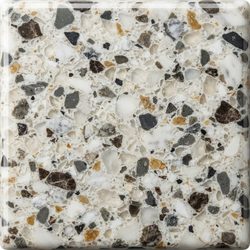
Modern alternatives like Resin Slab Finish offer seamless surfaces with minimal visual disruption, supporting unobstructed energy movement. Shoji Paper wall treatments introduce natural wood elements and filtered light, connecting your dining space to nature's calming influence.
Furniture Placement & Layout Strategy
Use furniture addition and replacement tools to test different table placements before committing. The ideal dining room has the table positioned to face a focal point—a window, artwork, or architectural feature—rather than a blank wall.
Seating should be balanced with an odd number of chairs (5, 7) or perfectly paired even numbers, never asymmetrical arrangements. Avoid seating with backs to doorways or windows, which creates vulnerability and poor chi flow. Remove visual clutter like excess storage or decorative items that compete for visual attention.
Related Feng Shui Dining Room Topics
Explore complementary feng shui approaches in your dining space. Learn about feng shui mirror placement and design tips for expanding light and energy. Discover how feng shui dining room art balances energy and reinforces positive intentions. Consider feng shui dining room décor strategies for deeper energy alignment.
FAQ
Where should a dining table be placed according to feng shui?
Position your table in the command position—centered in the room with a clear view of the entrance, away from kitchen entry points and ceiling beams. Avoid placing it directly in front of or facing away from doorways.
What feng shui elements work best in dining rooms?
Earth elements (stone, ceramic), wood (natural tables, Shoji Paper walls), and water (light, flowing layouts) are ideal. Warm, grounded colours like those in Cashmere Beige support nourishment and digestion. Avoid dark, heavy colours that suppress appetite and conversation.
Can I use feng shui with modern design styles?
Absolutely. Scandinavian and Coastal styles naturally embrace feng shui principles through minimalism, natural materials, and balanced proportions. Contemporary interior design and feng shui complement each other when focusing on clean lines, uncluttered spaces, and intentional placement.
Visualize Your Feng Shui Dining Room
Test your feng shui dining room placement and style ideas instantly. Try it free on vividoo.app—upload a photo of your current dining room, select a style like Farmhouse, Traditional, Coastal, or Scandinavian, and preview how different material choices and layouts support balanced energy flow. Experiment with AI room redesign to find your perfect harmonious dining space.