Wall art in a feng shui dining room is not merely decorative—it actively shapes the energy and atmosphere where family and friends gather. The right pieces, chosen thoughtfully and positioned with intention, can amplify positive chi, encourage good conversation, and create a space that feels both welcoming and harmonious.
Feng shui principles emphasize flow, balance, and the intentional use of visual elements. Your dining room wall art should reflect these values while complementing your chosen style and materials.
Why Wall Art Matters in Feng Shui Dining Rooms
In feng shui, the dining room represents nourishment, abundance, and community. Wall art acts as an anchor that sets the room's emotional tone and directs energy through the space. Thoughtfully chosen pieces create focal points that guide the eye and encourage positive gathering.
When selecting wall art, consider images that evoke growth, harmony, and vitality—landscapes, botanical themes, or abstract pieces that feel uplifting rather than chaotic. Avoid art depicting conflict, sadness, or sharp, aggressive forms, as these can disrupt the peaceful energy needed for meals and conversation.
The placement of wall art follows interior design principles combined with feng shui wisdom: position pieces at eye level, ensure they relate proportionally to your wall and furniture, and avoid cluttering walls with too many items.
Style Approaches to Feng Shui Wall Art
Scandinavian design embraces minimalism and natural light, making it naturally aligned with feng shui principles. This style prioritizes uncluttered walls with one or two meaningful pieces—perhaps a landscape photograph or botanical print in a simple frame. Scandinavian design philosophy values functionality and beauty in balance, echoing feng shui's core values.
Minimalism takes this further by reducing visual noise to its essence. A single, carefully chosen artwork or even an empty wall space allows chi to circulate freely. Minimalism respects negative space as much as filled space—a principle fundamental to feng shui.
Midcentury design offers geometric and abstract wall art that can be both visually engaging and energetically balanced. Mid-century pieces often feature clean lines and purposeful composition, making them ideal for dining rooms seeking a modern yet harmonious feel. Mid-century modern aesthetics blend form and function in ways that resonate with feng shui balance.
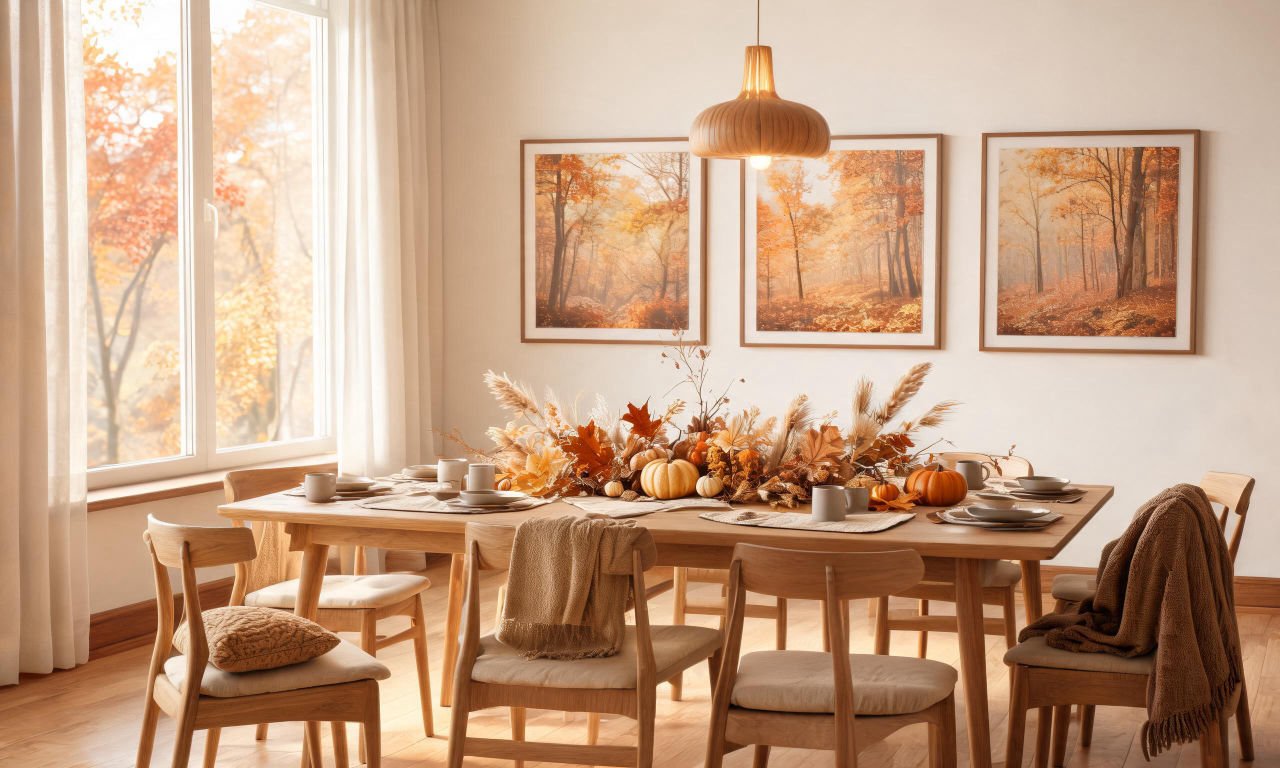
Autumn Cozy embraces warmth and natural elements, complementing wall art that features earthy tones, wood textures, or nature-inspired imagery. Warm colors in both wall art and surrounding materials create an inviting energy that encourages gathering and connection.
Material & Style Pairings
| Style | Recommended Wall Material | Why It Works |
|---|---|---|
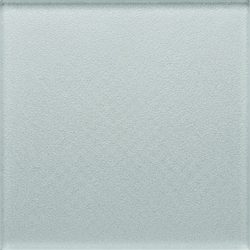
| Scandinavian | Frosted Glass | Allows light to diffuse softly behind wall art, creating a serene backdrop that mirrors the Nordic emphasis on natural illumination and simplicity. |
| Minimalism | Frosted Glass | Provides a neutral, refined surface that lets wall art stand alone without competing visual texture, honoring the principle of essential elements only. |
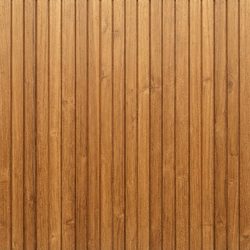
| Midcentury | Teak Panel | Adds geometric warmth and natural wood character that complements abstract midcentury artwork while maintaining visual rhythm and balance. |
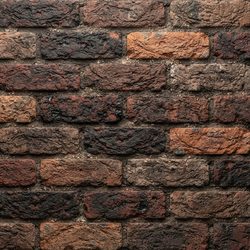
| Autumn Cozy | Clinker Brick, Teak Panel | Clinker Brick and Teak Panel both introduce organic texture and warmth that anchor nature-inspired or figurative wall art in a grounded, inviting energy. |
Color Theory and Feng Shui Alignment
Color theory supports feng shui's use of hue to influence mood and energy. In dining rooms, consider how wall art colors support the room's purpose: warm tones (reds, oranges, golds) stimulate appetite and conversation; cool tones (blues, greens) create calm and reflection; earth tones (browns, terracottas) ground energy and promote stability.
When paired with floor and wall materials through floor and wall materials renovation, coordinated color creates visual coherence that the eye perceives as balanced and harmonious—a key feng shui goal.
Practical Tips for Wall Art Placement
- Position art at eye level (57 to 60 inches from the floor to the center of the piece).
- Leave adequate space between multiple pieces—avoid overcrowding, which disrupts chi flow.
- Ensure lighting highlights the art without glare; natural or soft warm light is ideal.
- Choose frames that complement both the art and your wall material and style.
- Rotate seasonal art to refresh energy and reflect natural cycles.
If you're redesigning your entire dining room, AI room redesign for dining rooms can help you visualize how wall art coordinates with furniture, materials, and overall style before making decisions.
Visualizing Your Design
Wall art doesn't exist in isolation—it interacts with your flooring, wall treatments, furniture, and lighting. Tools like add or replace furniture and virtual decluttering allow you to experiment with configurations and see how wall art fits into the complete picture.
For deeper exploration of feng shui principles in your dining room, read Feng Shui Dining Room Layout: Balance & Flow and Feng Shui Dining Room Design: Styles & Materials.
FAQ
What shapes of wall art support feng shui energy?
Curved and round shapes support gentle energy flow, while balanced geometric patterns add structure without harshness. Avoid sharp points or aggressive angles that can create stagnant or chaotic chi.
How many pieces of wall art should a feng shui dining room have?
Quality over quantity is key. A single well-chosen piece, a balanced pair, or a thoughtful arrangement of three to five works are all valid—the goal is intentionality, not filling every inch of wall space.
Can I use mirrors as wall art in a feng shui dining room?
Yes, mirrors can amplify light and energy, but position them thoughtfully to avoid reflecting the dining table directly (which can create unsettling energy). Mirrors work best on walls opposite windows or light sources.
Transform Your Dining Room Today
Feng shui wall art is a powerful tool for creating a dining room that nourishes both body and spirit. Whether you choose Scandinavian simplicity, Minimalism's restraint, Midcentury warmth, or Autumn Cozy comfort, your wall art should reflect intention and balance.
Ready to reimagine your space? Try it free on vividoo.app—upload your dining room photo, select a style and materials, and see how wall art, flooring, and wall treatments work together to create a harmonious, beautiful dining experience.