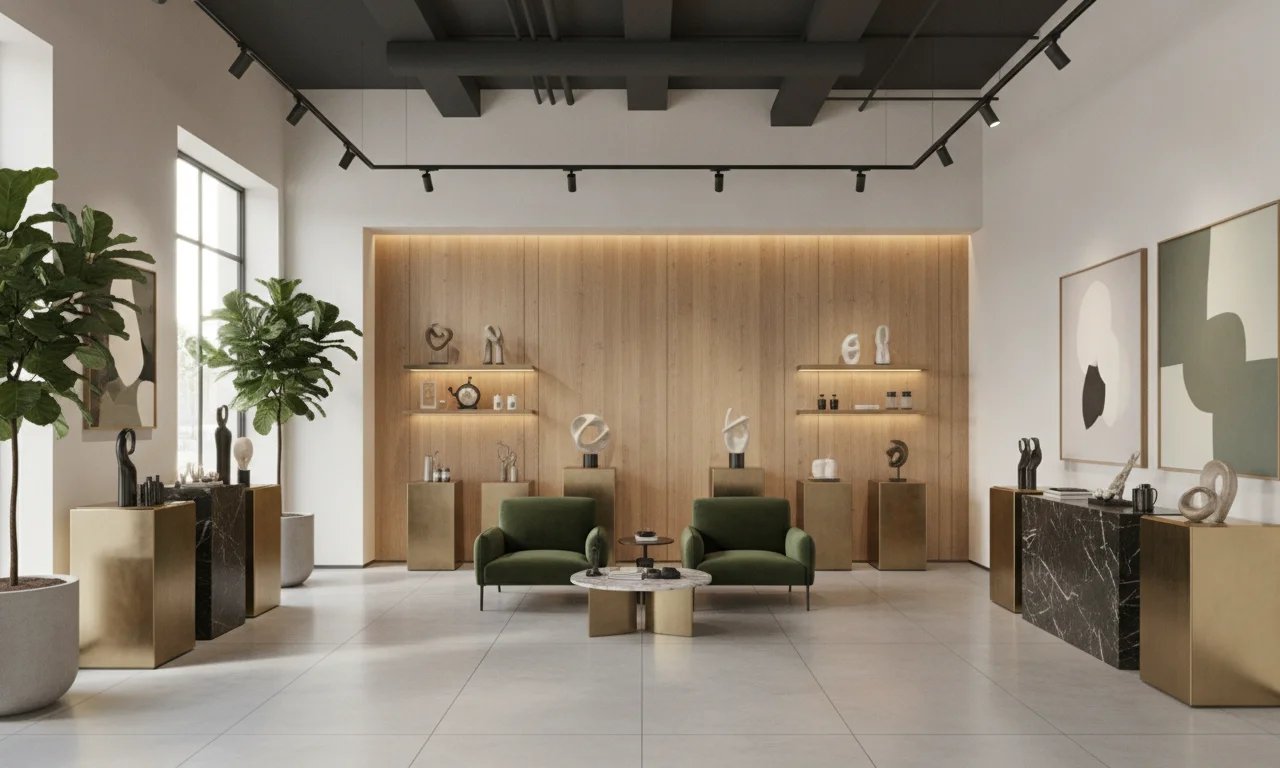
Your showroom is your brand's stage. The design choices you make—from wall finishes to spatial layout—directly influence how customers perceive your products and whether they buy.
A well-designed showroom doesn't just display merchandise; it tells a story, guides the eye, and creates an experience that lingers long after customers leave.
Whether you're refreshing an existing space or starting from scratch, strategic design decisions can transform foot traffic into sales. Let's explore how different styles and materials work together to create showrooms that genuinely convert.
Why Showroom Design Matters for Sales
Colour theory and spatial arrangement influence buyer psychology more than most retailers realize. A cluttered showroom overwhelms customers; a thoughtfully designed one guides them naturally through your collection and highlights key pieces.
The right design style sets expectations about quality and pricing before a single word is spoken. It establishes whether customers perceive your brand as luxury, accessible, modern, or timeless. Material choices reinforce these messages through texture, durability, and visual weight.
- Clear product sightlines reduce decision fatigue
- Intentional lighting draws attention to featured items
- Premium flooring and wall materials communicate brand value
- Open layouts invite exploration and longer visits
- Cohesive design builds customer confidence in your products
Design Styles for Retail Showrooms
Different design philosophies suit different product categories and brand identities. Here are four powerful approaches to consider for your space.
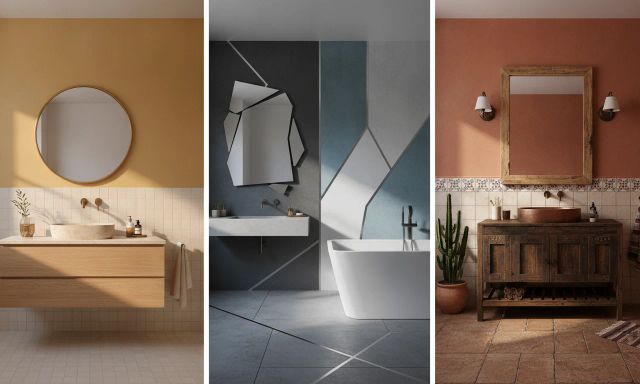
Deconstructivism for Bold, Contemporary Brands
Deconstructivism breaks traditional symmetry and creates visual intrigue through unexpected angles and layered complexity. This style works exceptionally well for fashion, art, technology, and luxury goods that position themselves as innovative or cutting-edge.
Deconstructivist showrooms feature asymmetrical product displays, varied ceiling heights, and architectural elements that challenge expectations. Wall panelling can be offset or arranged in fractured patterns, creating dramatic focal points without overwhelming the merchandise itself.
Golden Hour for Warm, Inviting Retail Spaces
Golden Hour design saturates your showroom in warm, honeyed tones that create an emotionally welcoming environment. This approach is perfect for home goods, wellness products, artisanal items, and anything positioned as handcrafted or premium-but-approachable.
Golden Hour lighting and colour palettes make customers feel valued and comfortable spending time exploring. The warmth encourages lingering and reduces purchase anxiety, particularly effective for higher-ticket items or considered purchases.
Fengshui for Harmonious Customer Flow
Fengshui principles create balance, flow, and positive energy through deliberate spatial arrangement. This style suits showrooms selling furniture, decor, wellness products, or anything where harmony and balance are brand values.
Fengshui-inspired layouts feature clear pathways, balanced symmetry, and strategic placement that feels intuitive rather than cluttered. Natural materials and organic shapes make products feel like they belong within a cohesive whole rather than competing for attention.
Chalet for Warm, Heritage-Focused Showrooms
Chalet design draws from rustic architecture traditions, creating spaces that feel grounded, authentic, and timeless. This approach works beautifully for outdoor gear, heritage brands, artisanal products, furniture, and anything positioning itself as durable or locally rooted.
Chalet showrooms combine natural wood, stone, and warm neutrals to create an environment where customers feel the quality and craftsmanship of your products through the showroom itself.
Material & Style Pairings
| Style | Recommended Materials | Why It Works |
|---|---|---|
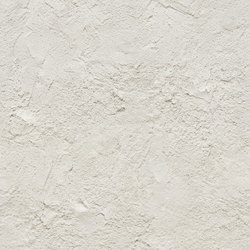
| Deconstructivism | Stark Plaster (walls), Architectural 3D Mosaic (walls) | Plaster creates raw, unfinished drama; mosaic patterns add geometric intrigue |
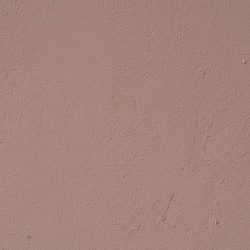
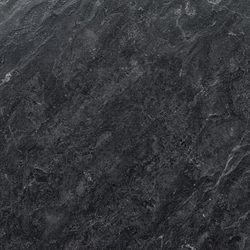
| Golden Hour | Dusty Rose (walls), Polished Slate (floors) | Dusty Rose enhances warm undertones; slate grounds the space in natural luxury |
| Fengshui | Roman Classic Mosaic Panel (floors), Polished Slate (floors) | Balanced floor patterns create visual harmony without overwhelming the eye |
| Chalet | Polished Slate (floors), Stark Plaster (walls) | Natural materials evoke authentic, timeless craftsmanship and durability |
Material Showcase
Tools to Visualize Your Showroom Redesign
Before committing to major renovations, test your vision. AI room redesign for showrooms lets you upload a photo of your current space and instantly preview how it looks in different styles. See your showroom transformed in seconds, then adjust until the design matches your brand perfectly.
Beyond visual style, practical tools help you optimize the layout:
- Floor and wall material renovations let you test premium finishes like Polished Slate or Stark Plaster before purchasing
- Add or replace furniture to test different display configurations and layouts
- Virtual decluttering reveals how a cleaner space enhances product visibility
- Object remover helps identify which fixtures or elements distract from your products
- Empty room generator shows raw potential so you can design from a blank canvas
Showroom Design for Specific Retail Categories
Different product categories benefit from distinct design approaches. For textile and fashion showrooms, explore textile showroom design ideas that transform sales and clothing showroom design ideas that convert browsers. For textile-focused spaces with an interior design angle, textile showroom interior design ideas that sell offers specialized guidance.
Learn more about how different styles perform across categories in our guide to transforming your showroom with design styles.
FAQ
How do I choose the right showroom design style for my products?
Match the design style to your brand positioning and customer psychology. Golden Hour works for luxury, accessible products; Deconstructivism for innovative or high-tech brands; Fengshui for balance-focused products; Chalet for heritage or durability-focused items. Test your chosen style using AI room redesign before committing.
What flooring material is most practical for a busy showroom?
Polished Slate is durable, elegant, and easy to maintain in high-traffic retail spaces. It communicates premium quality while handling daily wear. Roman Classic Mosaic Panel offers visual interest while remaining practical for commercial use.
Can I mix design styles in a large showroom?
Yes, but use transitions intentionally. Create distinct zones for different product categories, with each zone coherent in its own style, and connect them through consistent materials (like flooring) or colour palettes. This prevents visual chaos while creating varied, engaging customer journeys.
Transform Your Showroom Today
Your showroom design is an investment in customer experience and sales performance. Whether you're exploring Deconstructivism for a bold aesthetic, Golden Hour for warmth, Fengshui for flow, or Chalet for authenticity, the right materials and spatial planning create environments where customers want to spend time and buy with confidence.
Ready to reimagine your space? Try it free on vividoo.app—upload a photo, select your showroom, choose a design style, and see your retail space transformed instantly. No credit card required.