Creating a formal garden in a small space is entirely achievable. With careful planning and the right design approach, even compact yards can become sophisticated outdoor retreats that balance structure, elegance, and functionality. Garden design principles focused on symmetry and proportion scale beautifully to smaller properties.
Why Choose Formal Garden Design for Compact Spaces
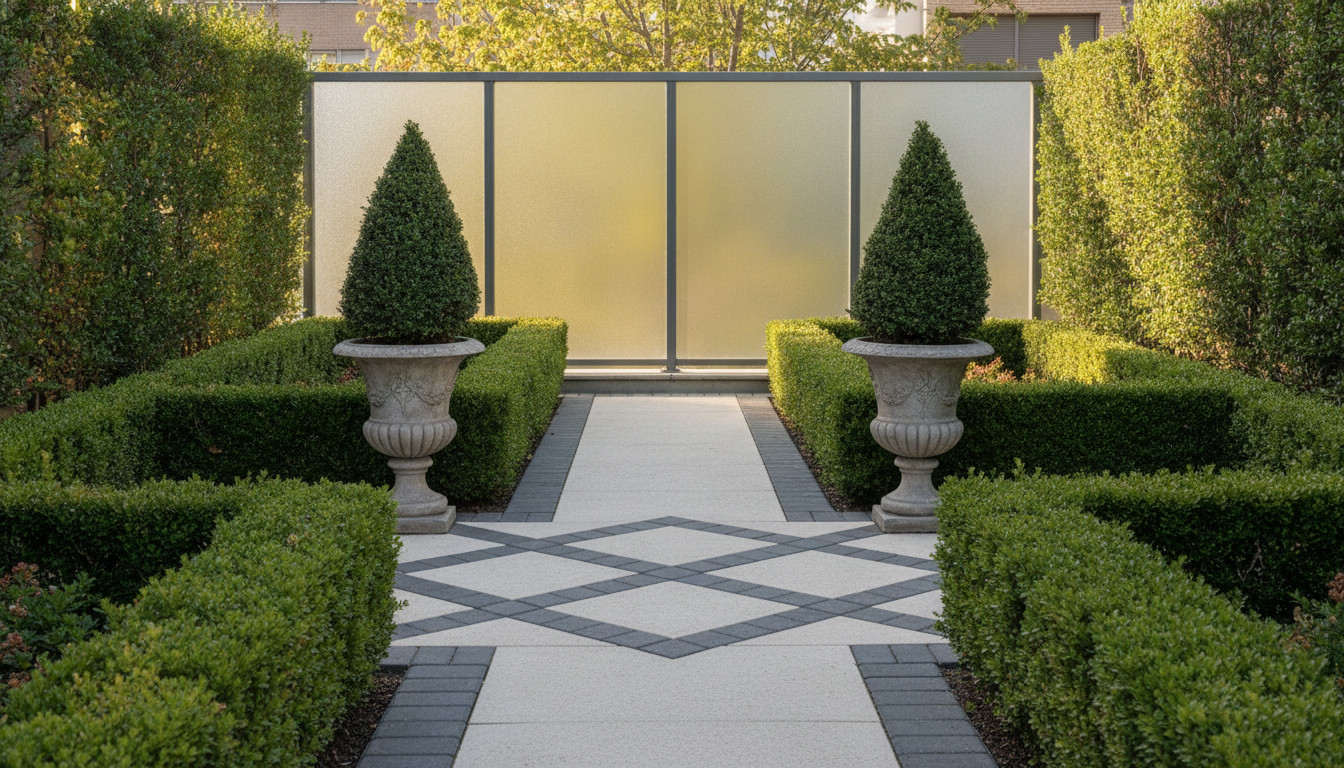
Formal garden design thrives in small areas because it relies on clean lines, geometric patterns, and deliberate placement rather than expansive plantings. This structured approach maximizes visual impact while maintaining an air of refinement and timelessness.
When you're working with limited square footage, every element counts. A well-designed formal garden uses hardscaping, focal points, and symmetrical layouts to create the illusion of intentional elegance, transforming even the most modest yard into a sophisticated outdoor room.
Key Design Principles for Small Formal Gardens
- Symmetry and balance—position features equally on both sides of a central axis
- Geometric pathways—use straight lines and defined shapes to organize the space
- Layered focal points—anchor attention with a fountain, sculpture, or seating area
- Restrained planting—select a limited palette of ornamental trees and shrubs
- Hardscaping emphasis—rely on durable materials to define structure and flow
These principles work because they create visual order without cluttering the landscape. AI room redesign tools can help you experiment with different formal layouts before committing to your design.
Formal Style Options for Your Small Garden
Formal gardens can draw from several refined traditions, each bringing its own character to compact spaces.
The Formal style emphasizes symmetry, clipped hedges, and architectural precision. Perfect for homeowners who appreciate clean geometry and classical proportions, this approach works exceptionally well in small yards where every detail is visible and appreciated.
English formal gardens balance structure with softness, often incorporating flowering borders alongside geometric pathways. This style adds romantic charm while maintaining the refined order of formal design principles.
For warmer climates, the Tuscan style brings Mediterranean elegance to compact spaces. Mediterranean Revival design integrates stone terraces, ornamental plantings, and warm-toned hardscaping materials that evoke Italian countryside villas. This approach combines formality with an inviting, sun-drenched atmosphere.
The Desert formal style applies structured design to arid landscapes, using sculpted succulents, gravel, and minimalist architecture to create elegant yet water-conscious gardens.
Material & Style Pairings
| Style | Recommended Materials | Why They Work |
|---|---|---|
| Formal | Concrete Pavers, Washed Pebble Concrete | Clean geometric lines and uniform texture reinforce symmetrical layouts and classical proportions |
| English | Concrete Pavers, Frosted Balcony Screen | Traditional stone pathways combined with refined screening create intimate garden rooms with romantic boundaries |
| Tuscan | Pool Blue Mosaic, Aluminium Pergola Slats | Mosaic patterns evoke Mediterranean villas while pergola slats provide dappled shade for al fresco living |
| Desert | Washed Pebble Concrete, Aluminium Pergola Slats | Drought-resistant materials with minimalist aesthetics suit arid climates while maintaining formal structure |
Essential Hardscaping Materials
The foundation of any small formal garden lies in its hardscaping. Quality materials define pathways, create focal points, and establish the visual framework that makes the space feel intentional and refined.
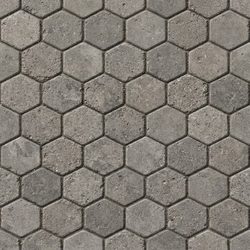
Concrete Pavers offer versatility and durability for formal pathways and terraces. Available in various sizes and finishes, they create precise geometric patterns that reinforce symmetrical design. Materials renovation tools let you preview different paver arrangements before installation.
Washed Pebble Concrete provides textural sophistication while maintaining clean lines. Its aggregate finish catches light beautifully, adding visual depth to expansive paved areas while remaining practical and long-lasting.
Pool Blue Mosaic brings color and artisanal character to small formal gardens, particularly those designed in Tuscan or Mediterranean styles. Intricate tile patterns serve as decorative focal points that elevate the entire landscape.
Screening and overhead elements define garden rooms in compact spaces. The Frosted Balcony Screen provides privacy and elegant visual interest, while Aluminium Pergola Slats offer structured shade that complements formal geometry and creates inviting seating zones.
Creating Visual Depth in Small Spaces
When working with limited square footage, layering design elements creates the perception of depth and complexity. Use raised planting beds, terracing, or multiple hardscaping levels to add dimension without consuming excessive space.
Incorporate a focal point—a fountain, sculpture, or ornamental seating area—that naturally draws the eye and anchors the space. This technique makes even compact gardens feel complete and intentional.
Color and texture variation in your material selections add richness. Concrete pavers in contrasting tones, combined with mosaic accents or stone borders, create visual interest while maintaining formal restraint.
Planning Your Small Formal Garden with AI Tools
Modern design technology makes it easier than ever to visualize your formal garden before breaking ground. Upload a photograph of your space and experiment with different styles and material configurations to find the perfect combination.
Use furniture addition tools to position benches, planters, and ornamental elements. Test various layouts with object removal and decluttering features to ensure your formal garden maintains clean, uncluttered proportions.
FAQ
Can you have a formal garden in a very small yard?
Absolutely. Formal gardens excel in small spaces because their emphasis on symmetry, geometry, and controlled planting actually requires less square footage. A compact yard, patio, or courtyard can become an elegant formal garden retreat.
What's the best material for small formal garden pathways?
Concrete Pavers and Washed Pebble Concrete are excellent choices. Both create clean, geometric lines that reinforce formal design principles and provide durable, low-maintenance surfaces suitable for compact spaces.
How do I add visual interest without cluttering a small formal garden?
Use layered textures in your materials—combine smooth pavers with textured concrete, add mosaic accents, and incorporate vertical elements like screening or pergolas. Quality over quantity is key: select fewer, more carefully placed plantings and ornaments.
Transform Your Formal Garden Vision Into Reality
Small formal gardens prove that elegance doesn't require sprawling acreage. By applying timeless design principles, selecting refined materials, and thoughtfully arranging every element, you can create an outdoor space that feels both spacious and sophisticated.
Explore more design inspiration in our guides on small formal garden ideas for elegant outdoor spaces and formal garden ideas that create timeless outdoor elegance. Ready to see your garden transformation in action? Try it free on vividoo.app—upload your garden photo, choose your preferred formal style, and experiment with different materials until you discover the perfect design for your compact outdoor retreat.