Lighting is one of the most powerful tools in feng shui design. It shapes how energy flows through your dining room, influences mood during meals, and determines whether your space feels welcoming or chaotic.
Proper feng shui dining room lighting combines practical brightness with intentional placement to create harmony and balance.
The dining room serves as a gathering hub where family and guests share food and conversation. Without thoughtful lighting, this sacred space loses its potential to nourish both body and spirit according to feng shui principles.
Why Feng Shui Lighting Matters in Dining Rooms
In feng shui, light represents yang energy—vitality, warmth, and presence. Your dining room needs sufficient light to energize meals and create an inviting atmosphere. Poor lighting creates stagnant or scattered energy, leaving diners feeling uncomfortable or disconnected.
The goal is balance: bright enough to see clearly, warm enough to feel grounded, and positioned to avoid harsh shadows or glare. This equilibrium supports both the digestion process and meaningful social connection.
Four Dining Styles with Feng Shui Lighting Potential
Different interior design styles naturally align with feng shui principles in unique ways. Each style influences how you approach lighting placement, fixture selection, and overall energy flow.
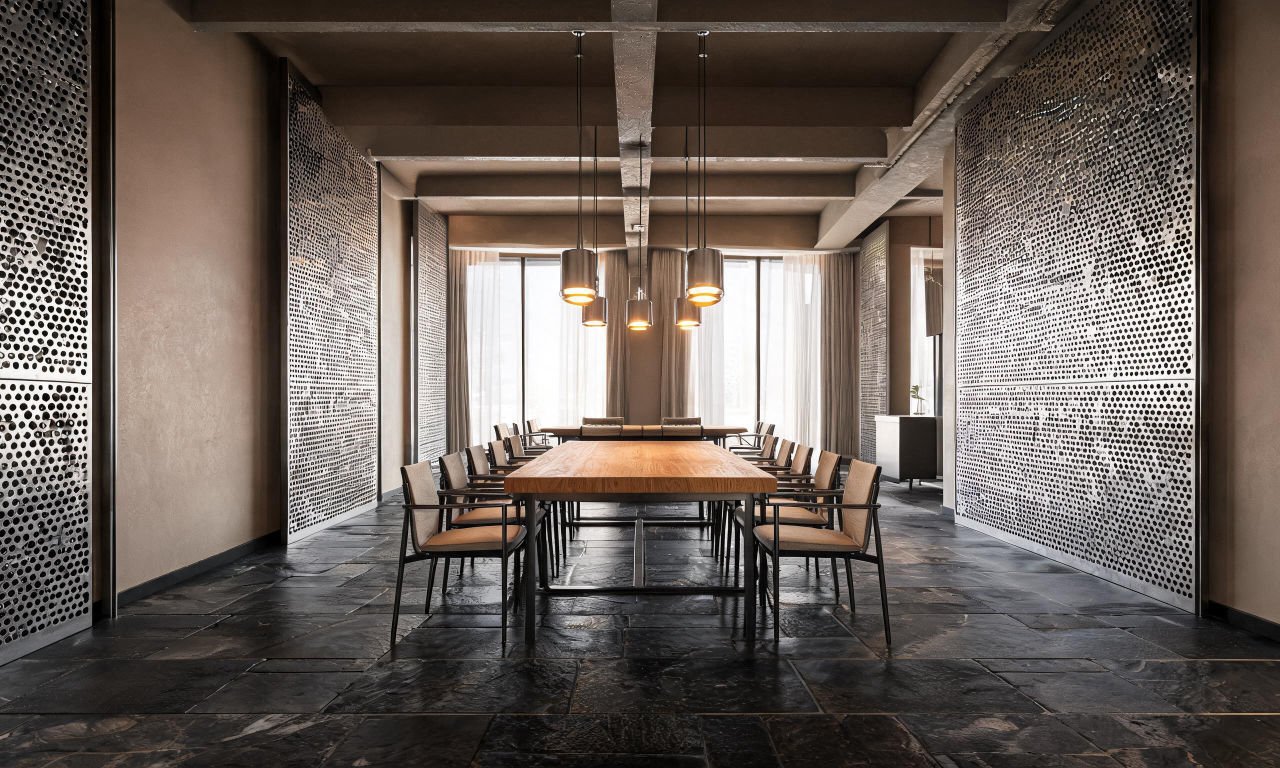
Industrial style embraces exposed elements and raw materials, creating strong grounding energy. Metal fixtures and direct lighting suit this aesthetic while supporting clarity and focus.
Farmhouse design connects to natural rhythms and earth elements. Warm, diffused lighting from vintage-inspired fixtures enhances the nourishing, family-centered energy this style embodies.
Coastal style brings light, airy energy reminiscent of water and sky. Soft, layered lighting reflects the openness and flow that define this aesthetic while maintaining warmth.
Rustic design roots dining in natural materials and earthiness. Warm, intimate lighting—like candle-style fixtures or soft ambient sources—amplifies the grounded, protective energy rustic interiors provide.
Material & Style Pairings
| Style | Recommended Material | Feng Shui Benefit |
|---|---|---|
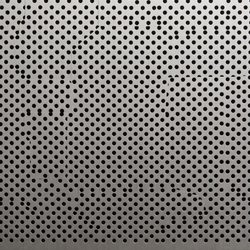
| Industrial | Perforated Metal | Metal conducts energy and focuses light; perforations diffuse harsh rays for balanced clarity and softness |
| Farmhouse | Floral Mural | Living elements promote growth and nourishment; soft wall tones enhance warm, welcoming lighting effects |
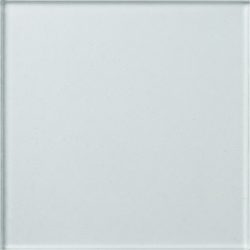
| Coastal | Glass Panel | Transparency allows light to flow freely; glass amplifies brightness and connects to water's reflective, cleansing energy |
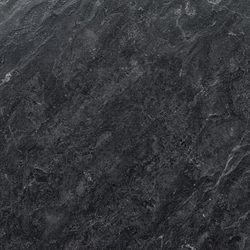
| Rustic | Polished Slate | Stone grounds energy and absorbs excess light warmth; natural finish supports earthy, protective ambiance |
Lighting Placement & Feng Shui Principles
Avoid placing single overhead lights directly above the dining table—this creates harsh downward energy that disrupts digestion and conversation. Instead, layer your lighting with pendant fixtures positioned slightly off-center, wall sconces flanking artwork, and ambient candlelight or dimmers.
Position lighting to avoid casting shadows on diners' faces. Reflective surfaces like Polished Slate flooring or Glass Panel walls can bounce light naturally, creating even distribution without overwhelming brightness.
Consider the five feng shui elements when selecting fixtures. Wood frames suggest growth; metal promotes focus; earth tones ground energy; water-inspired glass enhances flow; and fire-element candles or warm bulbs invite vitality. A well-lit dining room honors all five.
Redesigning Your Dining Room with Intention
Once you understand feng shui lighting principles, the next step is visualization. Use AI room redesign tools to test how different lighting scenarios work with your chosen style and existing materials. Experiment with floor and wall material renovations like Onyx Slab flooring or Floral Mural walls to see how they interact with lighting.
If your space feels cluttered, virtual decluttering can help you identify what's blocking light flow or energetic movement. Adding or replacing furniture with pieces that suit your chosen style—Industrial, Farmhouse, Coastal, or Rustic—ensures lighting fixtures and fixtures complement the overall design harmony.
Related topics like feng shui mirror placement and feng shui wall art also interact with your lighting strategy, creating a cohesive energetic environment. Feng shui dining room decor works best when lighting supports every other design choice.
Color Theory & Warm Lighting
According to color theory, warm tones (2700K–3000K bulb temperatures) promote relaxation and appetite. Cool white light (above 4000K) energizes but can suppress digestion. For feng shui dining rooms, prioritize warm bulbs that cast light in golden or amber hues, especially over the table.
FAQ
What color temperature is best for feng shui dining room lighting?
Warm white light (2700K–3000K) supports relaxation, digestion, and conversation. This temperature mimics candlelight and sunset, both considered nourishing in feng shui practice.
Can I use recessed ceiling lights in a feng shui dining room?
Recessed lights alone create harsh downward energy. Combine them with layered lighting—pendant fixtures, wall sconces, and dimmers—to create balance and avoid unflattering shadows.
How do different styles affect lighting design?
Industrial style pairs with metallic fixtures; Farmhouse suits vintage or Edison bulbs; Coastal works with glass or woven fixtures; Rustic embraces candlelight and warm wood tones. Each style naturally supports certain feng shui principles.
Transform Your Dining Room Today
Feng shui dining room lighting isn't complicated—it's about intention, balance, and harmony. Whether you're drawn to Industrial's bold clarity, Farmhouse's warmth, Coastal's openness, or Rustic's grounding energy, the right lighting design elevates your space and nourishes everyone who gathers there.
Ready to reimagine your dining room with feng shui principles in mind? Try it free on vividoo.app—upload a photo, choose your style, and explore how lighting, materials, and design work together to create the harmonious dining space you've always wanted.